As we grow older or experience changes in our vision, many people find that single-vision glasses are no longer enough to see clearly at both near and far distances. For this reason, multifocal lenses such as progressive lenses and bifocal lenses have become popular options. These specialized lenses help correct vision at multiple focal points in a single pair of glasses. Choosing the right type can improve your visual comfort and quality of life, especially for everyday activities like reading, driving, or working on a computer.
What Are Progressive Lenses?
Progressive lenses, sometimes called “no-line bifocals,” are advanced eyeglass lenses that provide a seamless transition between multiple vision zones without any visible dividing line. The top portion of the lens is optimized for distance vision, the middle portion for intermediate tasks such as computer work, and the bottom portion for near vision like reading. This smooth gradient of power helps your eyes move naturally between different distances, giving you a more modern and versatile visual experience compared to traditional lenses.
What Are Bifocal Lenses?
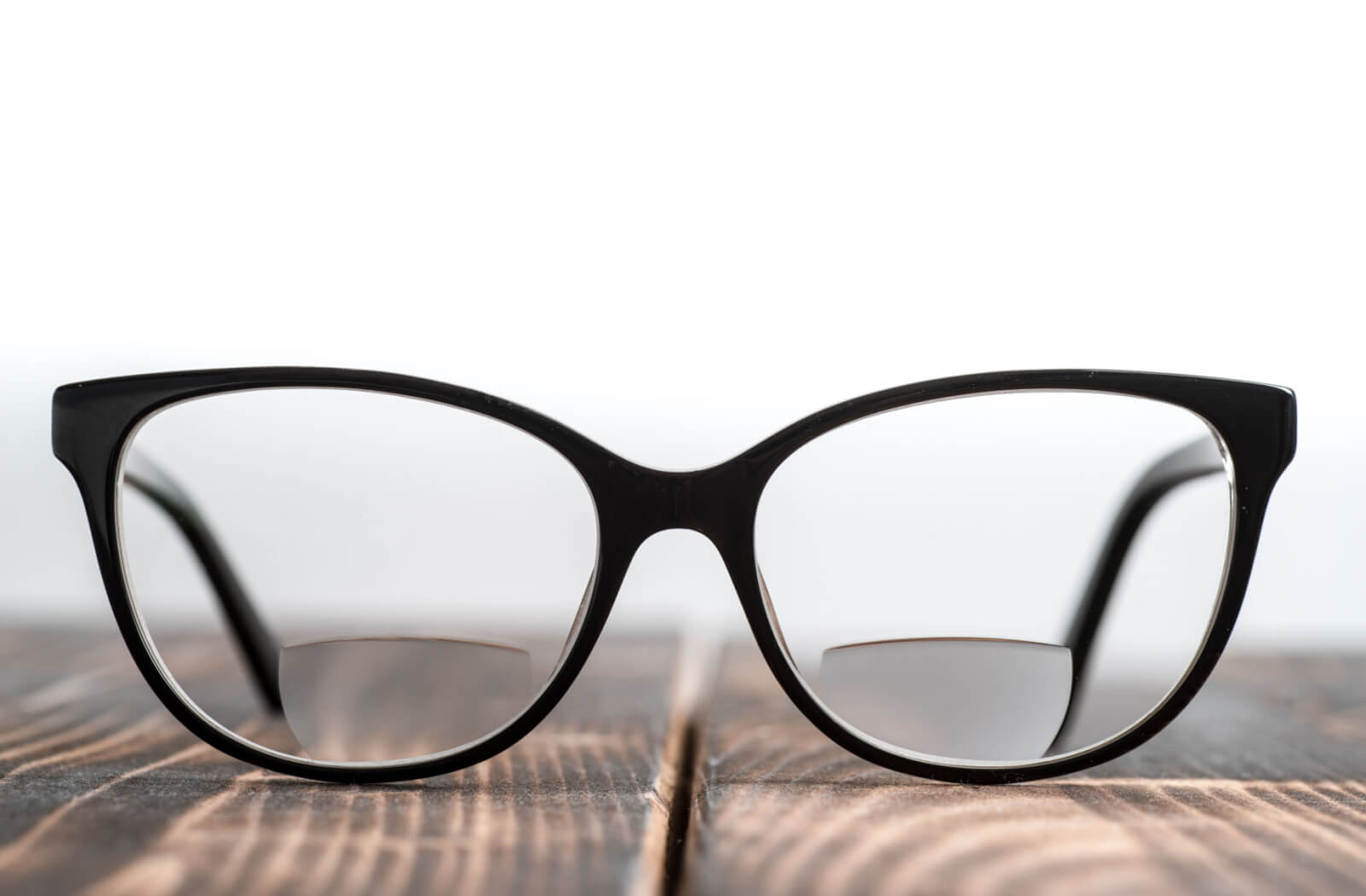
Bifocal lenses are the classic solution for people who need both distance and near vision correction in one pair of glasses. These lenses contain two distinct optical zones separated by a visible line. The top zone helps you see objects that are far away, while the bottom zone is dedicated to near tasks like reading. Because of this clear distinction between zones, bifocal lenses can be easier to adapt to for some wearers, especially those who are familiar with the design from past use.
Key Differences Between Progressive and Bifocal Lenses
The main difference between progressive lenses and bifocals lies in how they handle vision correction across distances. Progressive lenses offer a seamless transition from distance to intermediate to near vision, without any visible lines on the lens. In comparison, bifocal lenses provide only two distinct vision zones near and far separated by a visible line, with no intermediate correction. Because of their design, progressive lenses often deliver a more natural visual experience, reducing the feeling of switching focus between different distances.
Advantages of Progressive Lenses
Bifocal lenses continue to be a practical choice for many individuals who mainly require clear distance and near vision correction. Because they have a clear dividing line, they can be simpler to get used to, especially for first-time multifocal wearers. Additionally, bifocals are often more budget-friendly compared to progressive lenses, making them a cost-effective option for those who do not need intermediate vision correction.
Drawbacks and Considerations
Progressive lenses typically require a short adaptation period as your eyes adjust to the smooth change in vision zones, and they are generally more expensive than bifocal lenses. Some wearers may also notice slight peripheral distortion in lower-quality progressives. On the other hand, bifocal lenses do not provide intermediate vision correction, which can make tasks like computer use and close-up work less comfortable. The visible line on bifocal lenses is sometimes considered less modern in appearance, and the sudden shift between zones can create an image jump effect for some wearers.
How to Decide Which One Is Right for You
Choosing between progressive lenses and bifocals depends on your lifestyle, visual needs, and budget. If you want a single pair of glasses that can handle distance, intermediate, and near vision with a sleek look, progressive lenses might be the better choice. However, if you are budget-conscious, prefer a familiar design with a clear split between vision zones, and don’t need intermediate correction, bifocals can be a practical option. Consider how you spend your day whether you work a lot on screens, drive often, or read frequently and consult with an eye care professional to determine the best fit for your eyes.
Both progressive lenses and bifocals offer effective solutions for multifocal vision needs, but each comes with its own set of advantages and considerations. Progressive lenses provide seamless vision and a modern appearance, while bifocals remain a simple and affordable classic choice. Understanding the differences and how they align with your daily activities will help you make an informed decision and enjoy clearer, more comfortable vision every day.
Follow us : LinkedIn , Instagram , twitter , facebook