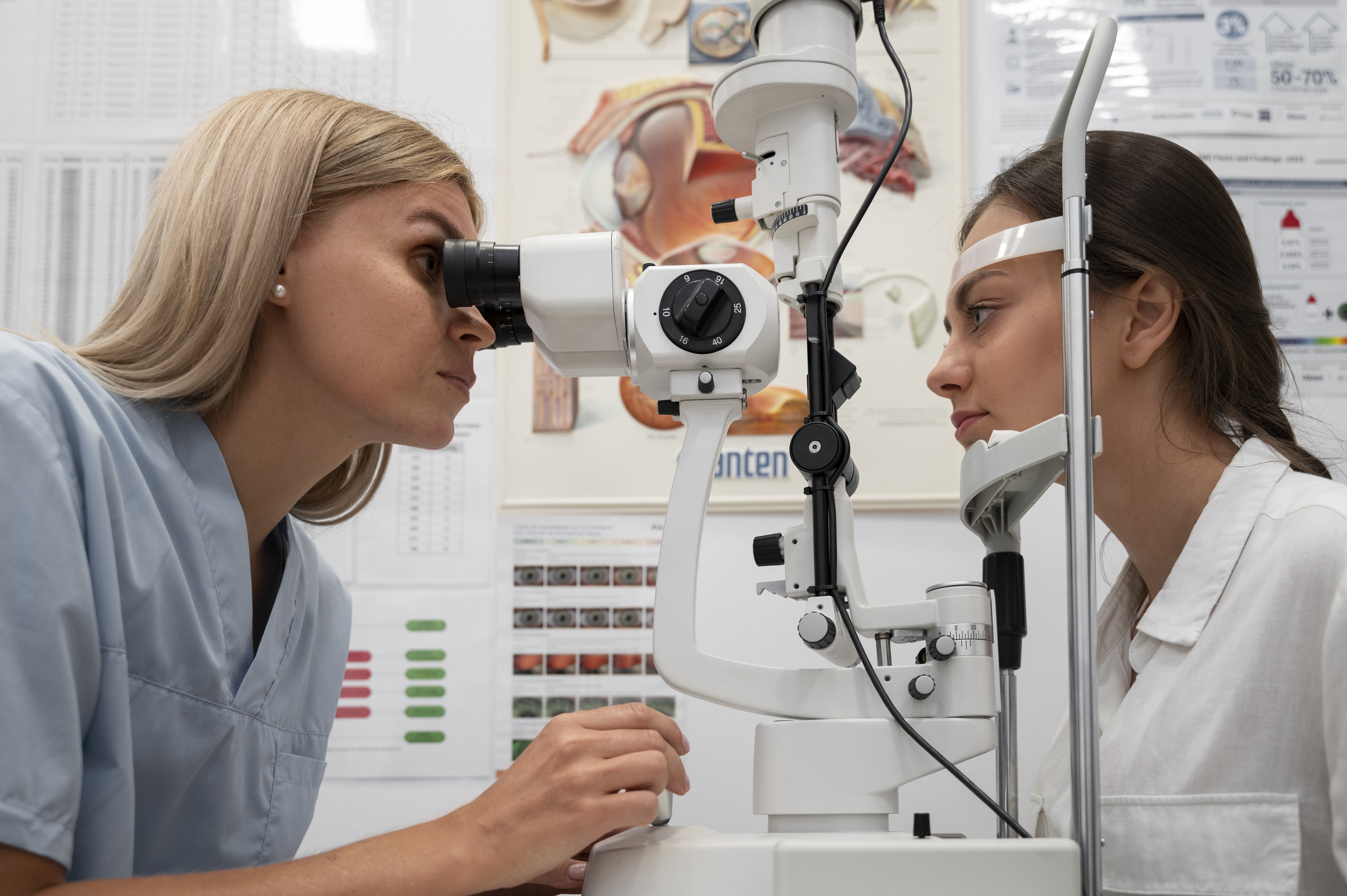
In today’s digital world, our eyes are exposed to more strain than ever before. Long hours on computers and smartphones, environmental pollution, and harmful UV exposure can negatively affect vision. Despite these risks, many people visit an eye doctor only when they experience symptoms such as blurred vision, headaches, or eye strain.
However, regular eye checkups are not just about updating your glasses prescription. Routine eye exams play a crucial role in maintaining long-term eye health, detecting vision problems early, and identifying serious medical conditions before they become severe.
This guide explains the importance of regular eye exams, what they help detect, and how often you should get your eyes tested.
The Importance of Preventive Eye Care
Like general health checkups, eye examinations are a preventive measure. Many eye conditions develop gradually and may not show noticeable symptoms in the early stages. By the time vision problems become obvious, the condition may have already progressed.
Regular eye checkups help to:
- Detect vision changes at an early stage
- Monitor overall eye health over time
- Prevent unnecessary eye strain and discomfort
- Improve productivity and daily performance
- Maintain clear and comfortable vision
Good vision is essential for everyday activities such as reading, working, driving, and using digital devices. Preventive eye care ensures your eyes function properly throughout your life.
Early Detection of Common Vision Problems
One of the major benefits of routine eye exams is the early detection of refractive errors, which affect how light focuses on the retina.
Common Vision Problems Detected During Eye Exams
Nearsightedness (Myopia)
Difficulty seeing distant objects clearly. Increasing due to excessive screen time and reduced outdoor activity.
Farsightedness (Hyperopia)
Difficulty focusing on nearby objects, often leading to headaches and eye strain.
Astigmatism
Blurred or distorted vision caused by an irregular cornea shape.
Presbyopia
An age-related condition that usually develops after the age of 40, making it harder to read or focus on close objects.
Early correction with glasses or contact lenses reduces strain and improves visual comfort for daily tasks.
Detecting Serious Eye Diseases Early
Regular eye examinations are essential for identifying eye diseases that may not show symptoms in the early stages.
Major Eye Conditions That Can Be Detected
Glaucoma
Known as the “silent thief of sight,” glaucoma damages the optic nerve and can lead to permanent vision loss if untreated.
Cataracts
Clouding of the eye lens that gradually reduces vision clarity, commonly seen with aging.
Macular Degeneration
A condition affecting central vision, making it difficult to read or recognize faces.
Diabetic Retinopathy
A diabetes-related eye disease that damages retinal blood vessels and may cause blindness if not treated early.
Early diagnosis and treatment significantly reduce the risk of permanent vision loss.
Eye Exams Can Reveal Overall Health Issues
A comprehensive eye examination can also detect signs of systemic health conditions, including:
- Diabetes
- High blood pressure
- High cholesterol
- Thyroid and autoimmune disorders
In many cases, an eye exam is the first step in identifying these medical conditions, allowing for early treatment and better health outcomes.
How Often Should You Get an Eye Test?
The recommended frequency for eye exams depends on your age, lifestyle, and health condition.
Children
Annual eye exams help support proper vision development and academic performance.
Adults (18–40 years)
Every 1–2 years, especially for individuals who spend long hours on digital devices.
Adults over 40
Yearly eye checkups are recommended to monitor age-related vision changes and detect early signs of eye disease.
People with diabetes, high blood pressure, or existing eye conditions
Should follow the testing schedule recommended by their eye care professional.
Regular testing ensures timely prescription updates and early detection of potential problems.
Signs You Should Visit an Eye Doctor
Even if you follow a routine schedule, you should seek an eye examination if you experience:
- Frequent headaches
- Blurred or double vision
- Eye strain or fatigue
- Difficulty reading or focusing
- Sensitivity to light
- Dry or irritated eyes
- Poor night vision
Ignoring these symptoms may lead to worsening vision or undiagnosed eye conditions.
The Impact of Digital Screen Use on Eye Health
Increased screen time has led to a rise in digital eye strain, also known as computer vision syndrome. Common symptoms include dryness, irritation, blurred vision, and neck or shoulder pain.
Regular eye checkups help:
- Determine the need for blue light protection lenses
- Adjust prescriptions for digital use
- Detect early signs of screen-related vision problems
Eye care professionals often recommend the 20-20-20 rule:
Every 20 minutes, look at something 20 feet away for 20 seconds.
Tips to Protect Your Vision Long-Term
Maintaining healthy eyes requires both regular checkups and good lifestyle habits:
- Wear sunglasses with 100% UV protection
- Use protective eyewear when necessary
- Eat a balanced diet rich in vitamins A, C, and E
- Manage chronic conditions like diabetes and hypertension
- Take regular breaks from digital screens
Preventive care today helps protect your vision for the future.
Conclusion
Regular eye checkups are one of the simplest and most effective ways to protect your vision and overall health. Routine eye exams help detect vision problems early, identify serious eye diseases, and ensure your eyes remain healthy in today’s digital lifestyle.
Instead of waiting for symptoms to appear, make eye exams a part of your regular healthcare routine. Clear vision supports productivity, safety, and quality of life.
Your eyes work hard for you every day. Scheduling regular eye checkups is a smart investment in your long-term health, comfort, and well-being.