Introduction
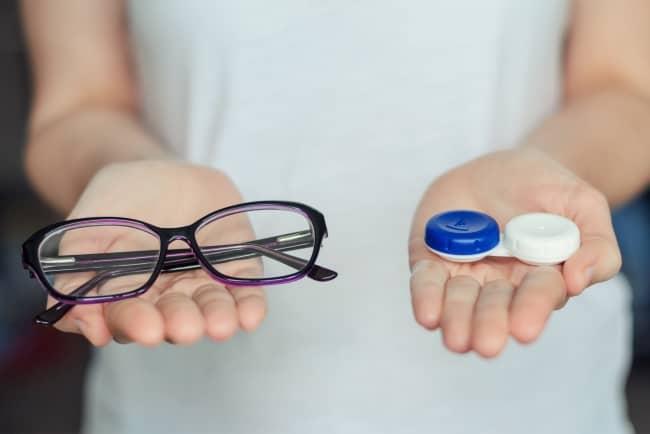
When it comes to vision correction, one of the most common questions people ask is: Should I choose contact lenses or glasses? Both options are highly effective in correcting vision problems such as myopia, hyperopia, astigmatism, and presbyopia. However, the choice between them depends largely on your lifestyle, comfort preferences, and daily activities.
In today’s modern world, eyewear is not just about improving vision—it’s also about convenience, style, and overall eye health. While glasses have been the traditional choice for decades, contact lenses offer a more natural and flexible alternative.
This comprehensive guide will help you understand the differences between contact lenses and glasses, their benefits, limitations, and which option suits your lifestyle best.
Understanding Vision Correction Options
Both glasses and contact lenses work by correcting how light enters the eye and focuses on the retina.
- Glasses sit in front of your eyes and adjust the light externally.
- Contact lenses sit directly on the eye’s surface, providing a more natural field of vision.
Each option has its own advantages, and the best choice depends on individual needs.
Benefits of Wearing Glasses
Glasses remain one of the most popular and widely used vision correction solutions due to their simplicity and versatility.
1. Easy to Use and Maintain
Glasses require minimal maintenance compared to contact lenses.
- No need for daily cleaning solutions
- Easy to wear and remove
- No direct contact with the eyes
This makes glasses ideal for people who prefer a hassle-free option.
2. Stylish and Versatile
Eyewear has become a fashion accessory. Modern glasses come in a variety of styles, including:
- Classic and professional designs
- Bold and trendy frames
- Minimal and lightweight options
Glasses allow you to express your personality and enhance your overall look.
3. Provide Additional Eye Protection
Glasses act as a barrier against:
- Dust and pollutants
- Wind and debris
- Harmful UV rays (with proper lenses)
This makes them a safer option in certain environments.
4. Cost-Effective in the Long Run
Unlike contact lenses, which require regular replacement, glasses are a one-time investment that can last for years with proper care.
5. Reduced Risk of Eye Infections
Since glasses do not touch the eyes directly, they reduce the risk of infections caused by improper handling or hygiene.
Benefits of Wearing Contact Lenses
Contact lenses offer a more natural and flexible vision correction experience.
1. Natural Appearance
One of the biggest advantages of contact lenses is that they are nearly invisible. They allow you to maintain your natural look without frames.
2. Wider Field of Vision
Contact lenses move with your eyes, providing:
- Full peripheral vision
- No frame obstruction
- Clear vision from all angles
This makes them ideal for activities that require a wide field of view.
3. Ideal for Active Lifestyles
Contact lenses are perfect for:
- Sports and physical activities
- Outdoor adventures
- Fitness and gym workouts
They stay in place and do not slip or break like glasses.
4. No Fogging Issues
Unlike glasses, contact lenses do not fog up due to:
- Temperature changes
- Humidity
- Wearing masks
This ensures consistent clarity in all conditions.
5. Compatible with Any Sunglasses
Contact lens users can wear any type of sunglasses without needing prescription lenses.
Key Differences Between Contact Lenses and Glasses
| Feature | Glasses | Contact Lenses |
|---|---|---|
| Convenience | Easy to use | Requires maintenance |
| Comfort | Comfortable but can slip | More natural feel |
| Vision | Limited peripheral view | Full field of vision |
| Style | Fashion accessory | Invisible |
| Maintenance | Low | High |
| Cost | One-time investment | Ongoing expense |
Which Option Should You Choose?
The decision between contact lenses and glasses depends on your lifestyle and preferences.
Choose Glasses If You:
- Prefer low maintenance
- Want a stylish accessory
- Spend less time on physical activities
- Have sensitive eyes
- Want a budget-friendly option
Choose Contact Lenses If You:
- Lead an active lifestyle
- Want a glasses-free appearance
- Need a wider field of vision
- Play sports or exercise regularly
- Prefer convenience in outdoor activities
Can You Use Both Glasses and Contact Lenses?
Yes, many people use both options depending on their needs.
For example:
- Glasses for daily indoor use
- Contact lenses for outdoor activities or events
This combination offers flexibility and comfort while reducing strain on the eyes.
Factors to Consider Before Making a Choice
Before deciding, consider the following:
1. Eye Health
Consult an eye care professional to determine what is best for your eyes.
2. Lifestyle Needs
Choose based on your daily activities and routine.
3. Budget
Consider both initial and long-term costs.
4. Comfort Level
Some people may find lenses uncomfortable initially.
Tips for Safe Use of Contact Lenses and Glasses
For Contact Lens Users
- Maintain proper hygiene
- Follow replacement schedules
- Avoid sleeping in lenses
- Use recommended cleaning solutions
For Glasses Users
- Clean lenses regularly
- Store in protective cases
- Avoid scratches and damage
The Future of Vision Correction
The eyewear industry is evolving with new innovations such as:
- Smart glasses with digital features
- Advanced contact lenses with health monitoring
- Custom-fit eyewear using AI technology
These advancements are making vision correction more personalized and efficient.
Conclusion
Both contact lenses and glasses offer effective vision correction, but the best option depends on your lifestyle, comfort, and personal preferences.
Glasses are convenient, stylish, and low-maintenance, while contact lenses provide flexibility, comfort, and a natural appearance.
For many people, using both options provides the best balance between comfort and practicality.
Ultimately, the right choice is the one that fits your daily routine and helps you maintain clear vision, comfort, and confidence.