
The monsoon season brings a refreshing change in the weather, washing away the summer heat and painting the world in shades of green. But for those who wear glasses, this beautiful season can also mean foggy lenses, smudges, and constant cleaning struggles. Taking a few simple precautions can help you enjoy the rains without compromising your vision or damaging your eyewear. When humidity levels rise, lenses tend to fog up quickly, making it hard to see clearly. This fog is caused by the condensation of warm, moist air on the cooler lens surface. The best way to prevent this is by using an anti-fog coating or lens spray that keeps moisture from clinging to the surface. Many modern lenses, like those available at Eyemastr, come with built-in anti-fog and water-repellent coatings that make it easier to see in unpredictable weather. Rainwater often contains dust and pollutants that can leave stains on your lenses if not cleaned properly. Instead of wiping your glasses with your shirt or a tissue, which can scratch the lens, always use a microfiber cloth. Keep your cleaning cloth dry in a small pouch or case to avoid dampness, as moisture can harbor bacteria that may irritate your eyes later. Carrying a protective hard case is another smart habit during monsoons. Whether you’re stepping out in a drizzle or caught in a heavy downpour, always remove your glasses before wiping the water off. Rubbing wet lenses can lead to scratches, especially if dirt particles are stuck to the surface. A gentle rinse with clean water followed by a soft wipe is the safest cleaning method. It’s also essential to be mindful of where you store your glasses. Avoid keeping them near windows, in damp bags, or on wet surfaces. Humidity can loosen the frame joints and cause corrosion over time, especially in metal frames. If your glasses do get soaked, dry them with a soft cloth and let them air out before storing them again. For those who drive or commute daily, consider switching to anti-reflective lenses during the monsoon. These reduce glare from headlights and wet roads, helping you see more clearly even in low visibility conditions. Pairing these with water-repellent coatings ensures that raindrops slide off your lenses quickly, maintaining clarity no matter how heavy the rain gets. Monsoon doesn’t have to be a season of inconvenience for eyewear users. With the right lens care and protection, you can keep your glasses clear, your eyes healthy, and your style intact. At Eyemastr, we believe that good vision deserves great care—rain or shine.

How Lens Coatings Can Transform Your Vision Experience
When most people think about glasses, their attention instantly goes to the frame — the shape, color, and how stylish it looks. But true visual comfort and clarity come from the lenses, and more specifically, from the coatings applied to them. Lens coatings are the unsung heroes that protect your eyes, enhance your vision, and make everyday life more comfortable The Invisible Shield for Clearer Vision Anti-glare or anti-reflective (AR) coating is one of the most transformative innovations in eyewear. It reduces unwanted reflections on both sides of your lenses, allowing more natural light to pass through. This results in sharper, clearer vision and less eye strain, especially when using digital screens or driving at night. For anyone spending long hours in front of computers or under bright indoor lights, AR coating can make a noticeable difference in comfort and performance. Protection from the Sun’s Hidden Danger Just like skin, your eyes are vulnerable to harmful ultraviolet (UV) rays. Continuous exposure can contribute to long-term issues like cataracts or macular degeneration. A UV-protective coating acts as an invisible sunscreen for your eyes, blocking 100% of these harmful rays. Whether you’re indoors near windows or outdoors in strong sunlight, UV-coated lenses ensure your vision stays safe and healthy all day long. Scratch Resistance for Everyday Durability Even the most careful eyewear users deal with accidental scratches. From cleaning lenses with rough cloths to placing glasses on uneven surfaces, small abrasions can build up over time. A scratch-resistant coating forms a durable protective layer that helps maintain lens clarity and extends their lifespan. This keeps your glasses looking newer for longer and preserves crystal-clear vision every day. Advanced Coatings for the Modern Lifestyle Today’s eyewear technology allows for multiple coatings on a single lens. You can combine anti-glare, UV protection, blue-light filtering, and even hydrophobic (water-repellent) layers to create an all-in-one vision solution. For people who move seamlessly between digital screens, outdoor spaces, and work environments, these high-performance coatings ensure total protection and clarity wherever you go. Redefining Vision with Eyemastr Choosing the right lens coating isn’t just about optics — it’s about enhancing the way you experience the world. At Eyemastr, we believe eyewear should go beyond style. Our lenses are designed with advanced coatings that protect, perform, and empower your vision every day. Explore Eyemastr’s premium coated lenses and discover how clarity and comfort can truly transform your visual experience.
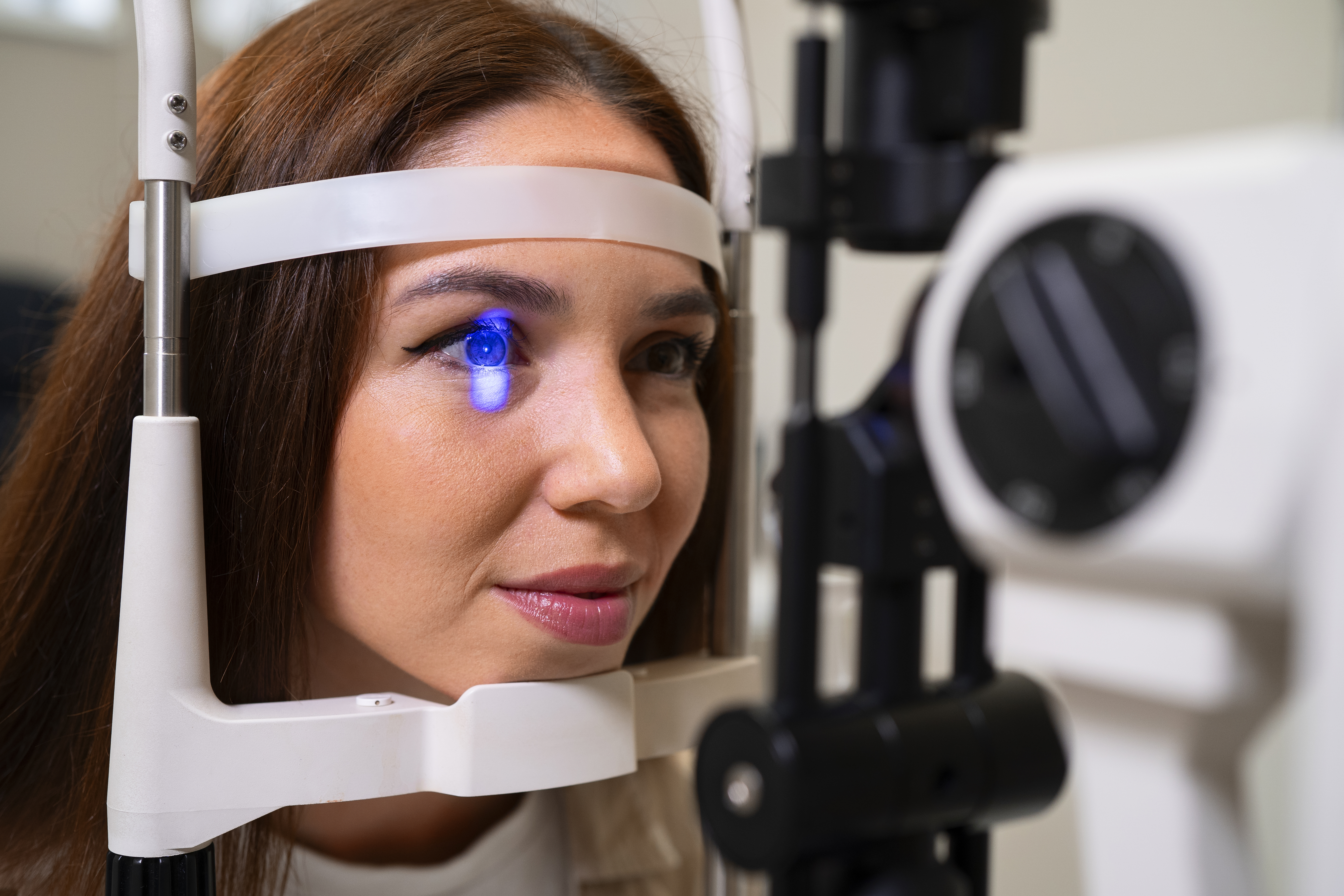
Understanding Your Prescription: What Does Each Number Mean?
If you’ve ever glanced at your eye prescription and felt completely lost among all the numbers, symbols, and abbreviations, you’re not alone. Most people walk out of an eye exam with a piece of paper that looks like a math equation — full of mysterious codes like OD, OS, SPH, and CYL. But each of these actually tells a very specific story about your vision and what kind of correction your eyes need. OD and OS – Which Eye Is Which Your prescription will usually have two rows labeled OD and OS. These stand for Latin terms: Oculus Dexter (right eye) and Oculus Sinister (left eye). Sometimes you’ll also see OU, meaning both eyes. This helps your optometrist or eyewear provider know which correction goes where, as each eye often has different needs. SPH – Spherical Power The SPH or Sphere value shows the degree of nearsightedness or farsightedness. A minus sign (–) before the number means you’re nearsighted and have trouble seeing things far away. A plus sign (+) means you’re farsighted and struggle with nearby vision. The higher the number, the stronger your prescription. CYL – Cylinder Power If you have astigmatism, you’ll notice a CYL number. This measures how much your cornea or lens is shaped more like a football than a perfect sphere. It affects how light focuses on your retina, causing blurred or distorted vision. The CYL number indicates how much correction your lenses need to fix this uneven curvature. Axis – Direction of Astigmatism Right next to CYL, you’ll see the Axis value — a number between 0 and 180. This shows the orientation of your astigmatism, or the exact direction in which the lens must correct it. Think of it as a compass guiding your glasses to bend light at just the right angle for clear vision. ADD – Reading or Bifocal Power For people who need help seeing up close — especially those over 40 — there’s usually an ADD value. This stands for “addition” and represents the extra magnifying power used for reading or close work. You’ll see this number in prescriptions for bifocals or progressive lenses. PD – Pupillary Distance Though not always written on every prescription, PD (Pupillary Distance) is essential for making your glasses. It measures the space between your pupils in millimeters, ensuring that the optical center of each lens aligns perfectly with your eyes for accurate focus and comfort. Putting It All Together When you understand what each number means, your eye prescription becomes less intimidating and more like a personal vision map. Every value helps your optometrist customize lenses that bring the world into perfect focus. If you’re ever unsure about your prescription, don’t hesitate to ask your eye doctor to explain it — understanding it not only helps you make better eyewear choices but also gives you a clearer picture of your own eye health.
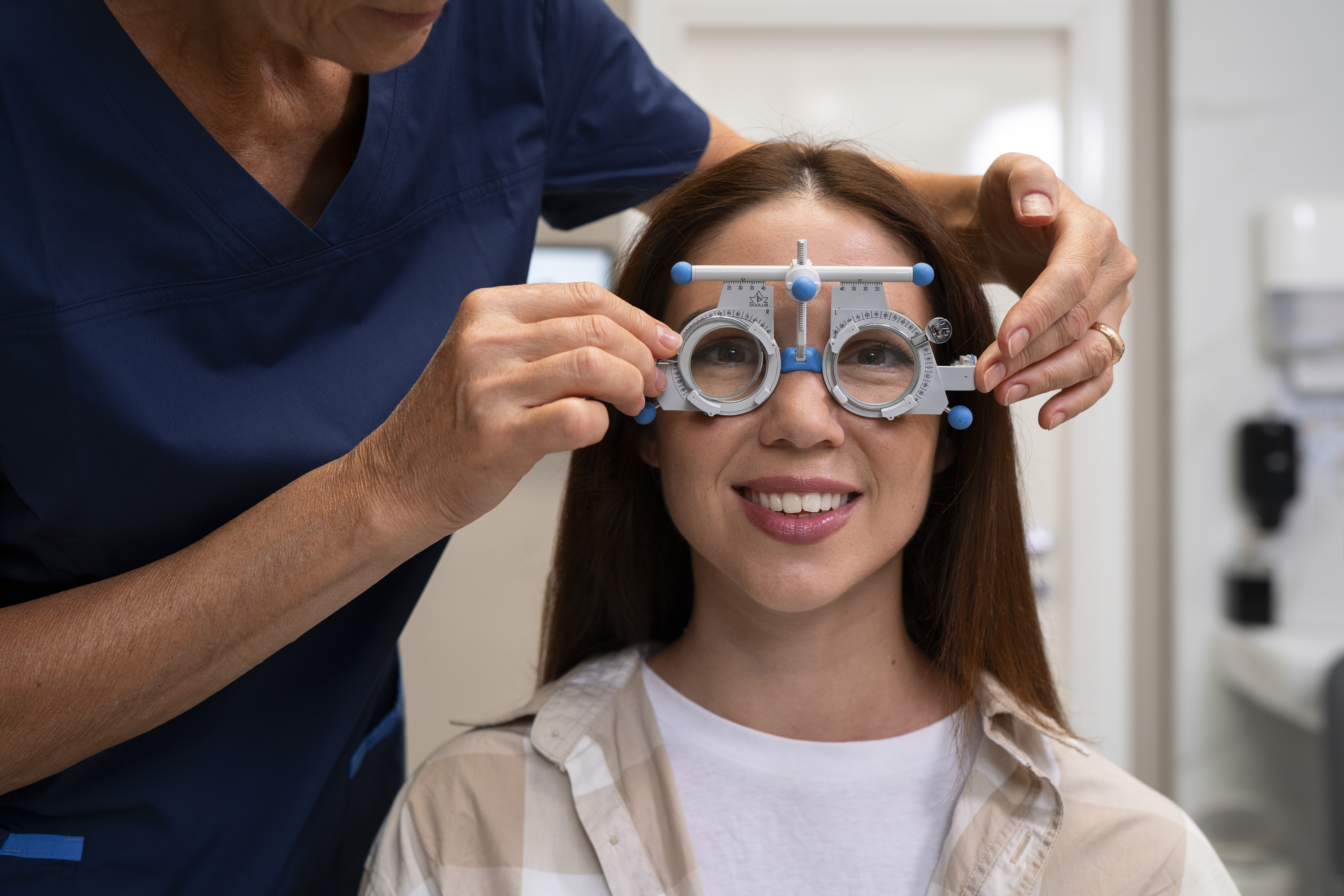
Annual Eye Exams for Diabetes Care
Diabetes doesn’t just affect your blood sugar it can also silently harm your eyes. In fact, diabetes is one of the leading causes of vision loss among adults worldwide. The challenge? Many diabetes-related eye problems develop without noticeable symptoms in the early stages. That’s why annual eye exams are a must. With timely check-ups, you can catch issues early and protect your sight for the long term. Why Diabetes Increases the Risk of Eye Problems Over time, high blood sugar can damage the tiny blood vessels in your eyes, especially in the retina. This may lead to serious conditions like: The concerning part is that these problems often go unnoticed until they’re advanced. Skipping regular check-ups may put your vision at serious risk. Benefits of Annual Eye Exams A yearly eye exam does much more than check your glasses prescription. For those with diabetes, it’s a crucial tool for prevention and overall health monitoring: 1. Early Detection Saves Vision Eye diseases like diabetic retinopathy progress in stages. When caught early, treatments such as laser therapy or eye injections can stop or slow down damage. 2. Preventing Permanent Vision Loss Routine screenings ensure timely treatment, reducing the risk of irreversible blindness. 3. A Window to Your Overall Health Your eyes often reflect what’s happening in your body. Retinal changes may also signal potential issues with your kidneys, heart, or circulation. 4. Keeping Your Vision Clear Diabetes can cause frequent changes in eyesight due to fluctuating sugar levels. Annual exams help keep your prescription accurate so you see clearly every day. What to Expect in a Diabetic Eye Exam A comprehensive diabetic eye exam goes beyond a standard vision test. It may include: These tests are painless, quick, and can make a life-changing difference. How Often Should You Get Eye Exams? Depending on your condition, your doctor may recommend more frequent visits. Your Action Plan If you live with diabetes: Take Charge of Your Vision with Eyemastr At Eyemastr, we believe your eyes deserve the best care. Regular eye exams are not just about checking vision they’re about preserving your future. Don’t wait for symptoms to show. A simple annual check-up can help you stay ahead of diabetes-related eye problems and keep your vision clear for years to come. Book your next eye exam with Eyemastr and safeguard your sight today. FOLLOW US: INSTAGRAM, LINKEDIN

Digital Eye Strain: Protecting Vision from Screens
In today’s digital-first world, screens are everywhere from laptops at work to smartphones in our hands and tablets in our homes. While technology keeps us connected and productive, it also brings new challenges to our eye health. At Eyemastr, we’re seeing more people report discomfort linked to extended screen use a reminder that while digital devices make life easier, they also place growing strain on our vision. What is Digital Eye Strain? Prolonged use of digital devices can lead to Digital Eye Strain (DES), also known as Computer Vision Syndrome (CVS). This is not a single condition but a group of vision-related issues caused by excessive screen exposure. Common symptoms include: And it’s not just adults — children, too, are spending more time on digital devices due to online learning and gaming, making them vulnerable to the same strain. Why Do Screens Affect Our Eyes? Several factors contribute to digital eye strain: 1. Reduced Blink Rate When focusing on screens, our blink rate drops by nearly 50%, which can lead to dryness, irritation, and discomfort. 2. Blue Light Exposure Digital screens emit blue light, which penetrates deep into the eye. Prolonged exposure may contribute to retinal stress and also disrupt natural sleep cycles by reducing melatonin levels. 3. Constant Close-Up Viewing Holding devices close forces the eyes to work harder, increasing the risk of accommodative stress and fatigue over time. 4. Improper Lighting and Glare Using screens in poorly lit environments or facing glare makes the eyes strain more, intensifying discomfort. Long-Term Risks of Digital Eye Strain While short-term symptoms usually ease with rest, chronic screen exposure can have more serious implications: How to Protect Your Eyes from Digital Devices You don’t need to give up screens to protect your vision — small, mindful habits go a long way: When to Seek Professional Help If you experience persistent headaches, blurred vision, eye pain, or difficulty focusing, it’s time to consult an eye specialist. These symptoms may indicate digital eye strain or an underlying vision condition that needs attention. Prioritize Your Eye Health Digital devices are here to stay, but your eye health doesn’t have to suffer. By practicing healthy screen habits and scheduling regular eye check-ups, you can protect your vision in a screen-heavy world. At Eyemastr, we are committed to helping you see clearly and comfortably — whether it’s through advanced eyewear solutions, protective lenses, or personalized eye care advice. Take the first step towards healthier vision. Explore our eyewear collection designed to reduce digital eye strain. FOLLOW US: INSTAGRAM, LINKEDIN
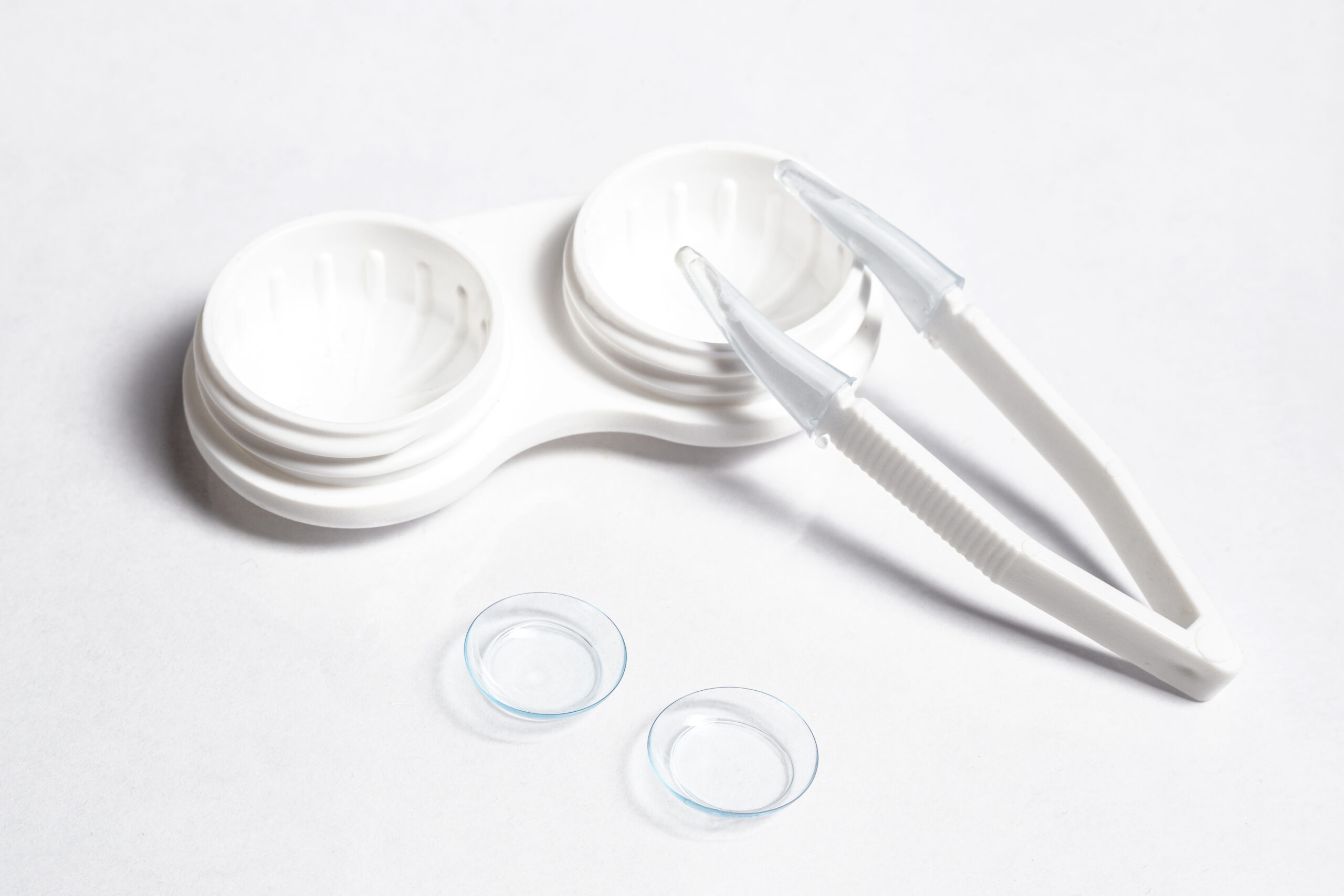
Multifocal Lenses in India | Eyemastr
As we age, it’s natural to notice changes in our vision especially when focusing on nearby objects. This common condition, called presbyopia, often makes tasks like reading, using a phone, or even working on a computer more challenging. That’s where multifocal lenses step in. Designed to provide clear vision at near, intermediate, and far distances in a single lens, they remove the hassle of switching between multiple pairs of glasses. With the right pair, everything from reading a book to driving at night becomes smoother and more comfortable. In this guide, we’ll explore what multifocal lenses are, the different types available, how they work, and tips to adapt quickly. What Are Multifocal Lenses? Unlike single-vision lenses that correct only one focal point, multifocal lenses combine multiple prescriptions in a single lens. This allows users to see clearly at varying distances—ideal for anyone managing presbyopia. Types of Multifocal Lenses 1. Bifocal Lenses 2. Trifocal Lenses 3. Progressive Lenses How Do Multifocal Lenses Work? Multifocal lenses are carefully engineered to provide different focal points within one lens. Depending on the design: This ensures you can easily switch from reading a text message to driving on the highway—all without changing glasses. Adjusting to Multifocal Lenses It’s normal to experience a short adaptation period when wearing multifocal lenses for the first time. Some users may notice mild distortions or a “swim effect,” but this improves with consistent use. Tips to adapt quickly: If discomfort continues, an optometrist can fine-tune your prescription or suggest alternatives. Benefits of Multifocal Lenses Multifocal lenses are more than just eyewear—they’re a lifestyle upgrade. With the right pair, you can enjoy seamless vision, convenience, and a modern aesthetic without juggling multiple glasses. At Eyemastr, we believe your eyewear should match both your vision needs and your style. If you’re exploring multifocal lenses in India, consult with an eye care professional to find the right fit for you—and experience clarity at every distance. FOLLOW US: INSTAGRAM, LINKEDIN

Protecting Children from Digital Eye Strain
In today’s digital-first world, children are spending more time than ever in front of screens. From tablets and smartphones to online learning platforms and gaming, digital devices have become part of everyday life even for kids as young as two or three. While technology has its benefits in education and entertainment, prolonged screen time can take a toll on children’s eyes, leading to digital eye strain. At Eyemastr, we’re committed to helping parents protect their child’s vision with practical, science-backed strategies. How Digital Eye Strain Affects Kids Children’s eyes are still developing, which makes them especially vulnerable to digital overexposure. Too much screen time can lead to: If left unchecked, these symptoms can interfere with schoolwork, play, and even sleep quality. The Growing Reality of Screen Time Recent studies highlight just how much device use has increased: This dramatic rise in screen time has led eye doctors to report a significant increase in cases of digital eye strain among children. ALSO SEE: How Often to Change Glasses | Eyemastr Guide 6 Ways to Protect Your Child’s Eyes from Digital Eye Strain Here are expert-recommended tips you can put into practice today: 1. Set Screen Time Limits Children rely on parents to set healthy boundaries. The U.S. Department of Health recommends: 2. Teach the 20-20-20 Rule Every 20 minutes, encourage your child to look at something 20 feet away for at least 20 seconds. This simple habit helps relax eye muscles and reduces strain. 3. Encourage Frequent Blinking Staring at screens lowers blink rate, leading to dry, irritated eyes. Remind your child to blink often to keep their eyes hydrated. 4. Keep a Healthy Viewing Distance Screens should be 18–24 inches away from your child’s eyes. Sitting too close can cause unnecessary strain. 5. Adjust Device Settings 6. Promote Proper Posture Set up your child’s workstation with: When to See an Eye Doctor If your child complains of headaches, blurred vision, or sore eyes after screen time, it’s time to book an eye exam. Sometimes, digital eye strain can be resolved with simple lifestyle adjustments. In other cases, vision therapy may be recommended to address underlying functional vision problems. At Eyemastr, we believe that early eye care is key to lifelong healthy vision. If you notice any of the signs of digital eye strain, don’t wait schedule an exam with a trusted eye care professional. FOLLOW US: INSTAGRAM, LINKEDIN

Right Reading Glasses Guide
Reading glasses are more than just a tool to sharpen your vision—they’re also part of your everyday style and comfort. With so many frame options, lens types, and coatings available, the process can feel a little overwhelming. At Eyemastr, we believe choosing the right pair should be simple, practical, and tailored to your lifestyle. Here’s a guide to help you select the perfect reading glasses: 1. Custom vs. Ready-Made Glasses Eyemastr tip: Custom readers are worth the investment if you want long-term comfort and accuracy. 2. Pick the Right Lens Design Reading glass lenses come in several styles depending on how you use them: Your eye doctor can recommend which option matches your daily activities. 3. Lens Shape & Size Matter 4. Frame Choices: Style Meets Strength Above all, make sure your frames fit your face, nose bridge, and ears comfortably. 5. Lens Materials That Work for You If you’re outdoors often, durability and UV protection should be a priority. 6. Don’t Skip the Coatings Enhancements can extend the life and performance of your glasses: These add-ons may increase cost but are a smart investment in comfort and protection. The right reading glasses don’t just help you see better they enhance your confidence, comfort, and style. At Eyemastr, we believe every pair should fit seamlessly into your life, whether you’re reading a book, working at your desk, or scrolling through your phone. Explore our curated reading eyewear collection today and find the pair that brings clarity with style. FOLLOW US: INSTAGRAM, LINKEDIN
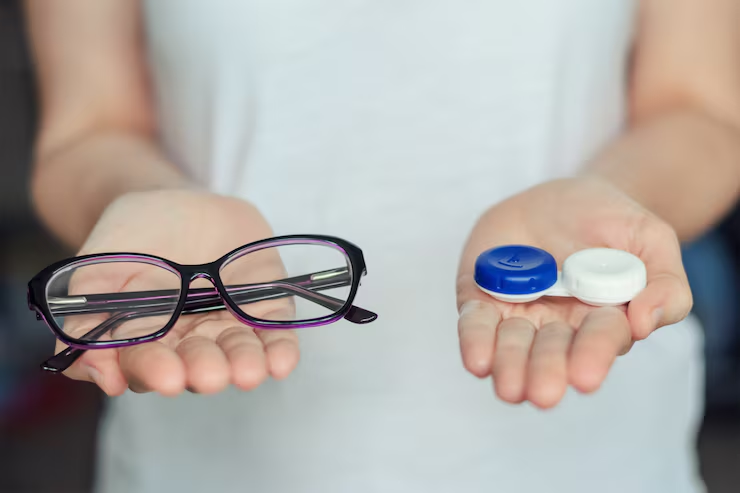
10 Tips to Get Used to Progressive Lenses | Eyemastr
Progressive lenses are a game-changer for anyone dealing with presbyopia or age-related vision changes. Instead of juggling between multiple pairs of glasses, progressives allow you to see clearly at near, intermediate, and far distances—all in one pair. But here’s the truth: adjusting to progressive lenses takes a little patience. At Eyemastr, we’ve helped countless professionals and style-seekers transition with ease. To make your journey smoother, here are 10 proven tips to get used to progressive lenses. 1. Choose a Wider Frame The frame you pick makes a big difference. A wider frame offers more space for the gradual shift between distance, intermediate, and near vision, making the transition easier. 2. Keep Your Lenses Clean Even a tiny smudge can cause distraction. Regular cleaning keeps your vision sharp and helps your eyes adapt faster. 3. Start Indoors First Begin in familiar surroundings. Wearing your progressives indoors allows you to notice distortions safely while your brain adjusts to the new visual experience. 4. Be Extra Careful with Stairs Since progressive lenses can slightly distort peripheral vision, take your time with stairs. Moving your head instead of relying only on peripheral sight can prevent slips. 5. Take Your Time to Adjust Adapting to progressive lenses is like learning a new skill—it takes practice. Activities like reading, cooking, or watching TV at different distances help train your eyes. 6. Stay Consistent Switching between old glasses and progressives slows down adaptation. Commit to your new lenses for the best results. 7. Wear Them as Much as Possible The more you wear them, the faster you’ll adjust. Whether you’re working, relaxing, or gardening, keep your progressives on. 8. Give Your Eyes Breaks If you feel strain, it’s okay to take short breaks. Resting your eyes makes it easier to stay consistent without discomfort. 9. Try Different Environments Gradually After mastering indoor use, move outdoors, into new lighting, or even while driving. Progressing through environments step by step helps build confidence. 10. Stay Connected with Your Optometrist Your journey doesn’t end when you pick up your glasses. If something feels off, don’t hesitate to check in with your eye care provider—they can fine-tune your lenses or give tips for a smoother adjustment. At Eyemastr, we design eyewear that blends precision optics with effortless style, so your transition is as smooth as your vision. Ready to experience clarity at every distance?Explore our progressive collection today at www.eyemastr.com. FOLLOW US: INSTAGRAM, LINKEDIN
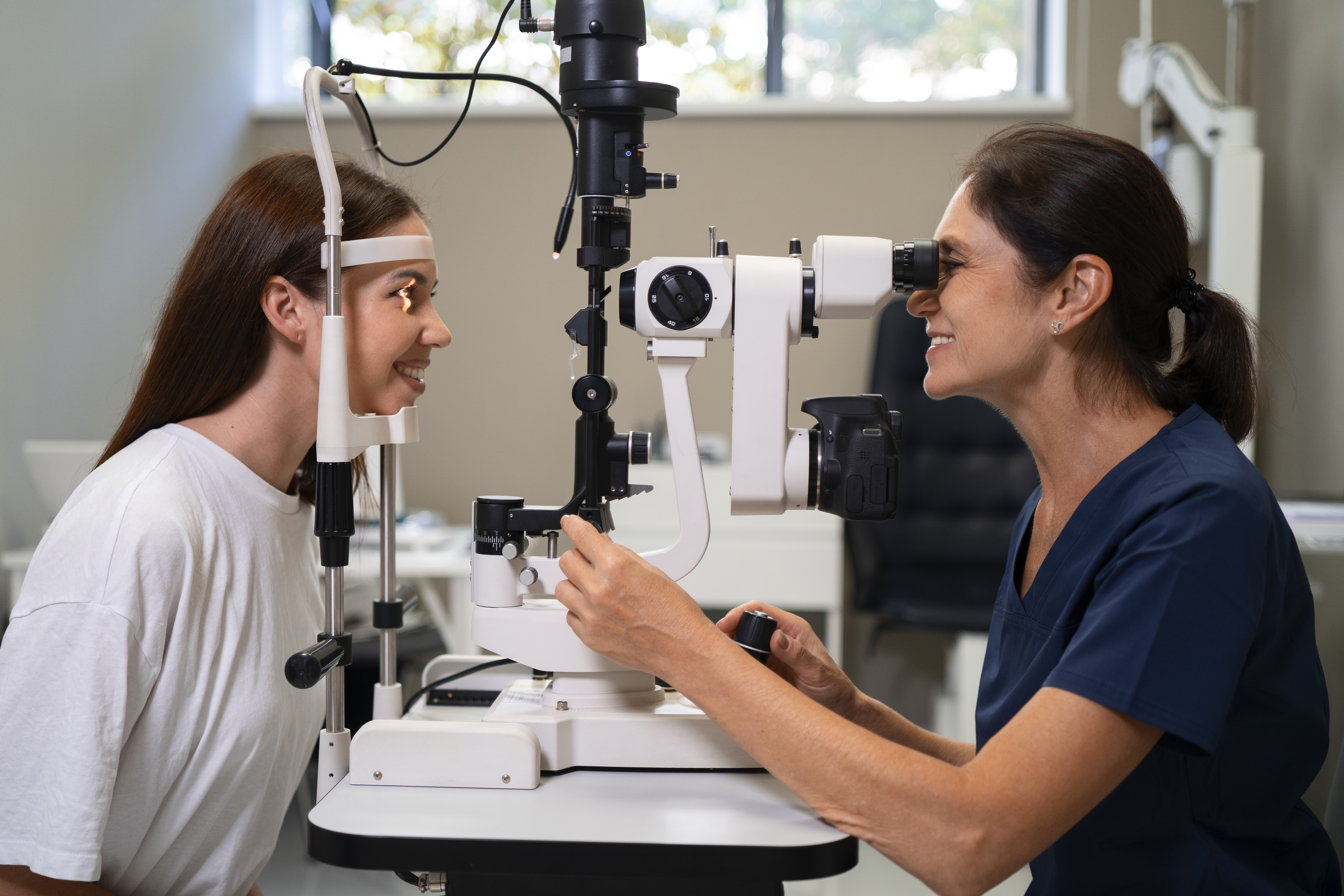
PRK vs LASIK: Differences, Recovery & Costs
When people think of laser eye surgery, the first procedure that usually comes to mind is LASIK. But did you know that another vision correction surgery—Photorefractive Keratectomy (PRK)—actually came before LASIK? Both PRK and LASIK are effective treatments for refractive vision issues such as: While both surgeries reshape the cornea to improve vision, the way they’re performed—and the recovery process—differs. For some patients, PRK may be the safer alternative when LASIK isn’t recommended. Let’s break down the differences, benefits, and considerations of LASIK vs PRK. What Happens During PRK? PRK surgery works by removing the thin, outer layer of the cornea (epithelium) before reshaping the tissue underneath with a precise excimer laser. Here’s the step-by-step process: What Happens During LASIK? LASIK uses a slightly different approach: instead of removing the epithelium, the surgeon creates a small flap in it, lifts it, and reshapes the cornea beneath. Step-by-step process: Recovery: PRK vs LASIK Recovery is where the biggest differences show up between these two procedures. PRK Recovery LASIK Recovery Risks and Side Effects Both procedures are considered safe, but as with any surgery, there are potential risks. Possible side effects include: Your surgeon will evaluate your eyes thoroughly to minimize these risks and determine which option is safer for you. Who Is a Good Candidate? You may qualify for LASIK if: PRK may be recommended if: Cost: PRK vs LASIK Costs can vary, but here’s the general difference: While most insurance plans don’t cover elective vision correction surgery, you may be able to use HSA or FSA funds. Some clinics also offer financing options to make the investment more manageable. Pros and Cons at a Glance Procedure Pros Cons PRK Suitable for patients with thin corneas, no flap complications, long-term stability Longer recovery, initial discomfort, higher infection risk in first few days LASIK Quick recovery, less discomfort, vision improves almost immediately Not suitable for thin corneas, flap complications possible, higher chance of dry eyes PRK After LASIK In rare cases, patients may need an enhancement procedure years after LASIK. Performing another LASIK surgery might not be safe, but PRK can often be performed as a secondary procedure. Which One Is Right for You? Ultimately, the choice between LASIK and PRK depends on your eye health, lifestyle, and goals. Both surgeries deliver excellent long-term results, but the best option should always be guided by a professional evaluation. At Eyemastr, we believe your vision is worth the best care and technology available. Always consult with a trusted eye specialist before making your decision. FOLLOW US: INSTAGRAM, LINKEDIN

Best Glasses for Outdoor Lifestyle
Life outdoors is full of energy, movement, and unforgettable views. Whether you’re hiking mountain trails, biking through the city, or spending weekends by the water, the right pair of glasses can make every moment clearer, safer, and more comfortable. At Eyemastr, we know your eyewear should do more than just correct your vision it should match your lifestyle. Here’s a quick guide to finding the best glasses for your next adventure. 1. Start with Your Prescription Your prescription is the foundation. Frames and lenses should not only suit your style but also match your vision needs. Always check that the frame you love can support your prescription to avoid disappointment later. 2. Choose the Right Frame Material Durability matters outdoors. Titanium frames are lightweight, strong, and resistant to bending or corrosion — perfect for an active lifestyle. Memory titanium even bounces back into shape, so you don’t have to worry if your frames take a tumble. 3. Find the Best Fit and Shape Your glasses should work with you, not against you. Rimless or larger frames can maximize your view without blocking your peripheral vision. For sports or high-motion activities, look for wraparound frames that stay secure and protect your eyes from wind, debris, and even bugs. 4. Pick Colors That Work Outdoors Earth tones like greens, browns, and neutrals blend naturally into outdoor environments. Clear frames are stylish but can be harder to spot if dropped. Bright shades may look fun but can attract unwanted attention from insects — something to keep in mind for hikes and camping. 5. Prioritize Comfort and Grip If you’re sweating on a bike ride or climbing uphill, you’ll want frames that stay in place. Adjustable nose pads and a secure fit behind the ears ensure your glasses won’t slip when you’re on the move. 6. Don’t Forget Lens Enhancements The right lenses can make a world of difference outdoors: Your Next Adventure Starts Here The outdoors is calling don’t let your glasses hold you back. With the right frames, fit, and lenses, you can move with confidence and enjoy every view in sharp, comfortable clarity. Explore Eyemastr’s collection to find eyewear built for your lifestyle. Whether it’s a weekend hike or daily commute, your perfect pair is waiting. https://www.instagram.com/p/DOxbF_CDsiH/FOLLOW US: INSTAGRAM, LINKDIN
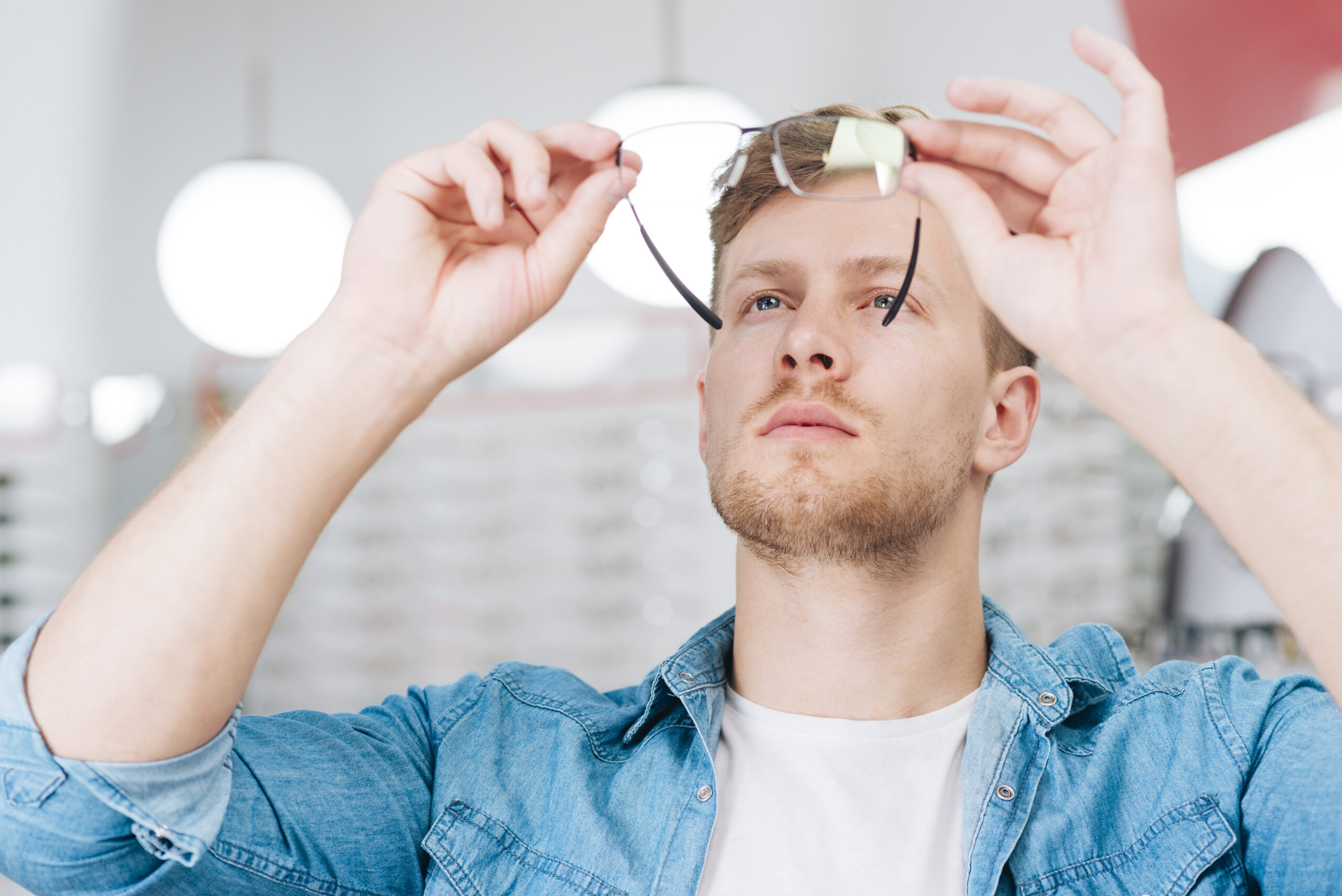
How Often to Change Glasses | Eyemastr Guide
When it comes to taking care of your eyes, regular check-ups and keeping your prescription up to date are just as important as choosing the right pair of glasses. But one question many people have is: how often should you really replace your glasses? The answer isn’t the same for everyone. Your prescription, eye health, lifestyle, and even your personal style all play a role. On average, eye doctors recommend an exam every 1–2 years to make sure your lenses are still working for you. But there are signs you can watch out for that may mean it’s time for an update sooner. Why Updating Your Glasses Matters Wearing glasses that don’t match your current vision can cause blurred sight, eye strain, and even headaches. Old or damaged lenses may also make everyday tasks—like reading, driving, or working on screens—more challenging. Beyond health, glasses are part of your personal style. Frames wear out over time, and technology in lens coatings and designs continues to improve. Updating your glasses means you’ll not only see clearly but also look and feel your best. Signs It’s Time for New Glasses Even if it hasn’t been two years, here are key signs you should consider replacing your glasses: The Average Lifespan of Glasses Most glasses last 2–3 years, but that can vary. Lenses and frames are durable, yet daily wear, prescription changes, and lifestyle factors can shorten their lifespan. That’s why regular eye exams are essential—not just to check your prescription, but also to keep your eye health in check. FAQs About Changing Glasses Do I really need new glasses every two years?Not always. It depends on your vision needs and comfort level. Some people may go longer, while others need updates sooner. Can glasses lose effectiveness?The glasses themselves don’t—but your eyes and prescription can change. What if my vision changes every year?Some people’s eyesight shifts faster than others. If this happens to you, it’s important to keep up with regular exams and lens updates. How can I make my glasses last longer?Handle them with care, clean them with proper solutions, and always store them in a protective case. Your glasses should do more than correct your vision—they should keep you comfortable and reflect your style. If you’re noticing blurred vision, headaches, or simply feel like your frames no longer fit your personality, it may be time for a change. At Eyemastr, we believe updating your glasses isn’t just about clearer vision—it’s about confidence, comfort, and keeping up with you. ✨ Explore Eyemastr frames today and find the pair that’s right for you. FOLLOW US: INSTAGRAM, LINKEDIN

Future of Eye Care: Top Trends Ahead
The way we see the world is changing not just through stylish frames and lenses, but through groundbreaking innovations in eye care itself. Ophthalmology is advancing faster than ever, introducing technologies and treatments that promise sharper vision, earlier diagnoses, and better outcomes for patients everywhere. At Eyemastr, we believe in celebrating not only eyewear but also the science that protects and preserves vision. Here’s a closer look at the most exciting trends shaping the future of eye care. Artificial Intelligence in Diagnostics Artificial Intelligence (AI) is transforming eye health. With AI-powered tools, doctors can detect conditions like diabetic retinopathy, glaucoma, and age-related macular degeneration earlier than ever before. These systems analyze retinal images with incredible precision—often catching what the human eye might miss. Why it matters: Early detection saves sight. AI brings screening to larger populations, including underserved regions, preventing avoidable vision loss through timely care. Gene Therapy and Personalized Medicine Gene therapy is opening doors for patients with inherited retinal diseases (IRDs) like retinitis pigmentosa. Recent breakthroughs in targeted genetic treatments mean therapies can be designed for each individual’s unique DNA profile. Why it matters: Personalized medicine represents a future where treatment isn’t one-size-fits-all, but tailored for maximum effectiveness and hope. Next-Level Cataract Surgery Cataract surgery is already one of the safest procedures worldwide—but it’s getting even better. From femtosecond lasers to robotic-assisted surgeries and advanced intraocular lenses (IOLs), the results are clearer, faster, and more precise than ever. Why it matters: These innovations give patients improved visual outcomes, shorter recovery times, and in some cases, freedom from glasses. Teleophthalmology The pandemic accelerated digital health, and eye care was no exception. Teleophthalmology now allows patients to receive consultations, screenings, and follow-ups online. Why it matters: Remote care makes eye health accessible to people in underserved or remote locations—bridging gaps in healthcare access. 3D Printing in Eye Care From custom corneal implants to personalized surgical tools, 3D printing is making tailored care a reality. This technology is paving the way for more precise procedures and patient-specific solutions. Why it matters: Personalized tools and implants mean better surgical outcomes and more comfortable care. Regenerative Medicine Stem cell research is giving hope where treatments were once limited. Scientists are exploring ways to repair or replace damaged retinal cells, offering possibilities for conditions like glaucoma and macular degeneration. Why it matters: Regenerating eye tissue could restore vision to millions—redefining what’s possible in eye care. Wearable Eye Health Technology Smart contact lenses and sensors are more than futuristic gadgets—they can monitor intraocular pressure, track blood sugar levels through tears, and detect early signs of glaucoma. Why it matters: Continuous, real-time monitoring helps patients and doctors stay ahead of chronic conditions. Virtual & Augmented Reality in Eye Care From training surgeons with simulated procedures to helping people with low vision navigate daily life, VR and AR are stepping into eye care in powerful ways. Why it matters: These tools enhance professional training while improving quality of life for patients. The Future Looks Bright The innovations shaping ophthalmology today are creating a tomorrow where vision care is smarter, more precise, and more accessible. At Eyemastr, we’re inspired by these advancements because protecting your eyes goes hand-in-hand with celebrating the style and clarity that define who you are. FOLLOW US: INSTAGRAM, LINKEDIN

Travel Tips for Glaucoma Medications
Traveling with glaucoma doesn’t have to feel overwhelming. With a little preparation, you can keep your eye health routine on track and enjoy your trip stress-free. Whether you’re flying overseas, road-tripping, or heading on a short getaway, here are some practical tips to make traveling with glaucoma medications simple and worry-free. Keep Medications Accessible Always keep your glaucoma medications in your carry-on bag, not checked luggage. That way, even if your suitcase is lost or delayed, you’ll have what you need with you. Pro tip: Bring more than enough medication for your trip. Unexpected delays or cancellations happen, and extra supply ensures you don’t miss doses. TSA and Airport Security Guidelines Good news — the Transportation Security Administration (TSA) allows prescription medications in carry-on bags, including liquids. Here’s what to know: If you’re traveling internationally, carry a doctor’s note or prescription copy — some countries may require documentation. Storage and Comfort While Traveling ALSO SEEL: Ophthalmology Dubai | Advanced Eye Care Managing Time Zones Changing time zones? Don’t stress. You have options: The key: maintain consistent intervals between doses — don’t double up. Set Reminders to Stay on Track Travel routines can easily throw off your schedule. Try these simple tools to stay consistent: If you’re juggling multiple prescriptions, ask your eye doctor about ways to simplify your regimen while traveling. It may sound obvious, but losing your glaucoma drops can cause major stress during travel. Always pack a backup supply, store them safely, and keep them within reach. Safe travels — and remember, with a little planning, your eye care routine doesn’t have to take a vacation. ✨ Eyemastr Tip: Protecting your eyes goes beyond medication. Stay sun-safe with quality sunglasses designed for comfort, UV protection, and effortless style perfect for every journey. FOLLOW US: INSTAGRAM, LINKEDIN
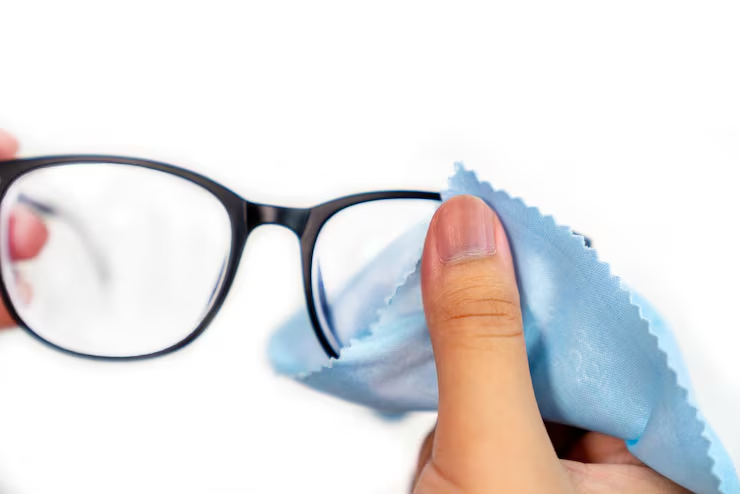
How to Clean Glasses Safely
Your eyeglasses do more than sharpen your view of the world. They are part of your style, your daily routine, and your confidence. But few things are more frustrating than smudged lenses, greasy nose pads, or grit stuck to your frames. Beyond the annoyance, dirty glasses can actually cause eye strain, headaches, and even harbor bacteria around sensitive areas like your eyes and nose. That is why building a simple cleaning habit into your routine is essential. At Eyemastr, we believe your glasses deserve the same care as any other accessory you wear every day. Here is a simple, no-stress guide to keeping them spotless and long-lasting. How to Clean Your Glasses Lenses Crystal clear lenses mean crystal clear vision. Cleaning does not have to be complicated. Just follow these quick steps: What You Will Need Steps Tip: If it takes you more than 20 seconds, you are overthinking it. How to Clean Your Frames Frames often get overlooked, but they are in constant contact with your skin, meaning they collect oils, sweat, and bacteria. Cleaning them keeps your glasses looking sharp and your skin healthier. Steps Do not skip this step. Buildup on nose pads can even lead to skin irritation or breakouts. What Not to Use on Your Glasses Protect your investment by avoiding these common mistakes: When to Get a Professional Cleaning Sometimes, your glasses need a little expert care. If you notice: …it is time to stop by your optometrist or eyewear retailer. Many offer professional cleaning, sometimes free. How to Store Your Glasses The way you store your glasses is just as important as cleaning them. The Eyemastr Takeaway Making glasses care part of your daily routine means clearer vision, longer lasting frames, and fewer skin and eye irritations. A quick cleaning today keeps your style sharp tomorrow. Keep them clean. Keep them clear. Keep them Eyemastr. FOLLOW US: INSTAGRAM, LINKEDIN
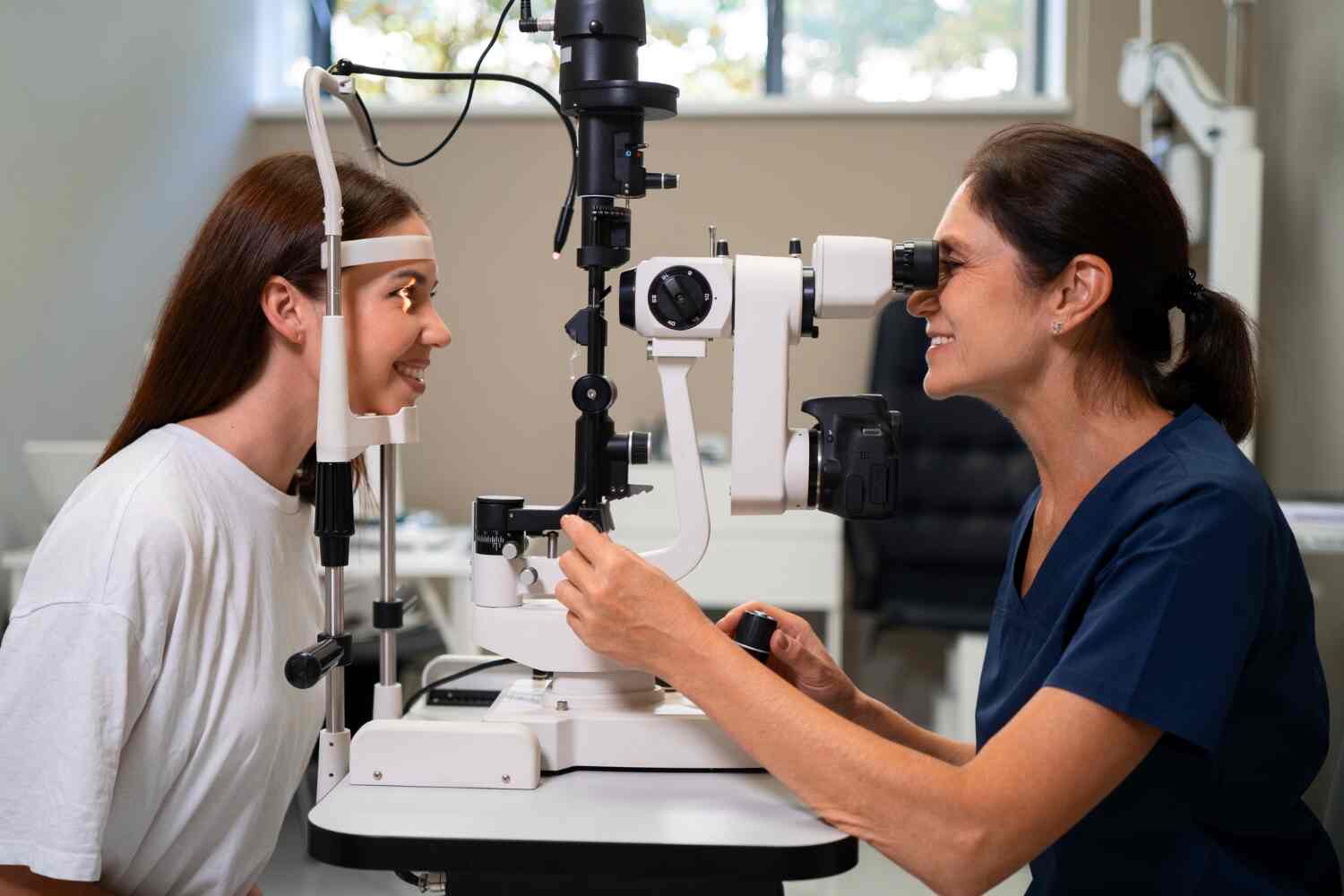
Ophthalmology Dubai | Advanced Eye Care
Dubai has become a global hub for world-class medical care, and ophthalmology in Dubai stands out as one of the city’s fastest-growing specialties. With advanced facilities, internationally trained specialists, and cutting-edge technology, patients can access some of the finest eye care solutions in the region. Whether you’re considering LASIK surgery, cataract treatment, or specialized eye disease management, Dubai offers exceptional care tailored to every patient’s needs. Why Dubai is a Leading Destination for Ophthalmology Dubai’s rise as a medical tourism hotspot has placed its ophthalmology services at the forefront of innovation and patient care. Here’s why people from around the world choose Dubai for their eye health: ALSO SEE: Tonometry Test: Eye Pressure Check for Glaucoma Common Eye Conditions Treated in Dubai Ophthalmologists in Dubai address a wide spectrum of eye conditions, including: Vision Correction Procedures Available in Dubai Dubai’s clinics offer advanced solutions to improve and restore vision: Choosing the Right Ophthalmology Clinic in Dubai When selecting a clinic, patients should look for: A trusted clinic doesn’t just treat eye problems—it helps patients achieve healthier vision and a better quality of life. Your eyes deserve the best care, and ophthalmology in Dubai combines global expertise with state-of-the-art technology to deliver outstanding results. From routine checkups to advanced surgeries, Dubai’s eye specialists provide treatments that help you see more clearly and live more fully. If you’re considering LASIK, cataract surgery, or specialized eye care, exploring Dubai’s ophthalmology services could be the key to restoring and protecting your vision for years to come. FOLLOW US: INSTAGRAM, LINKEDIN
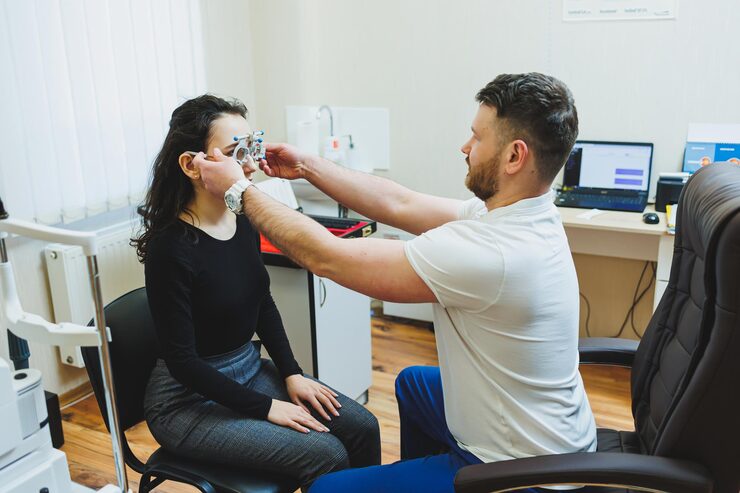
Tonometry Test: Eye Pressure Check for Glaucoma
A tonometry test, often called an eye pressure test, measures the pressure inside your eyes, known as intraocular pressure (IOP). Tracking IOP is crucial for diagnosing and managing conditions like ocular hypertension and glaucoma, both of which can damage the optic nerve and affect vision if not detected early. Why Eye Pressure Testing Matters Types of Tonometry Tests What to Expect During the Test Preparation: Procedure: Normal Range:Eye pressure typically falls between 10–21 mmHg. Values outside this range may indicate risk of glaucoma or other eye conditions. How Often Should You Get Tested? Takeaway: Protect Your Eyes with Regular Pressure Checks Tonometry is quick, painless, and one of the most effective ways to safeguard your vision. Regular eye pressure screenings help detect glaucoma early and keep your eyes healthy for years to come. At Eyemastr, we believe that prevention is the key to lasting eye health. If you’re due for a check-up or have risk factors like age, family history, or eye conditions don’t wait. Book your comprehensive eye exam today and take control of your vision health. FOLLOW US: INSTAGRAM, LINKEDIN
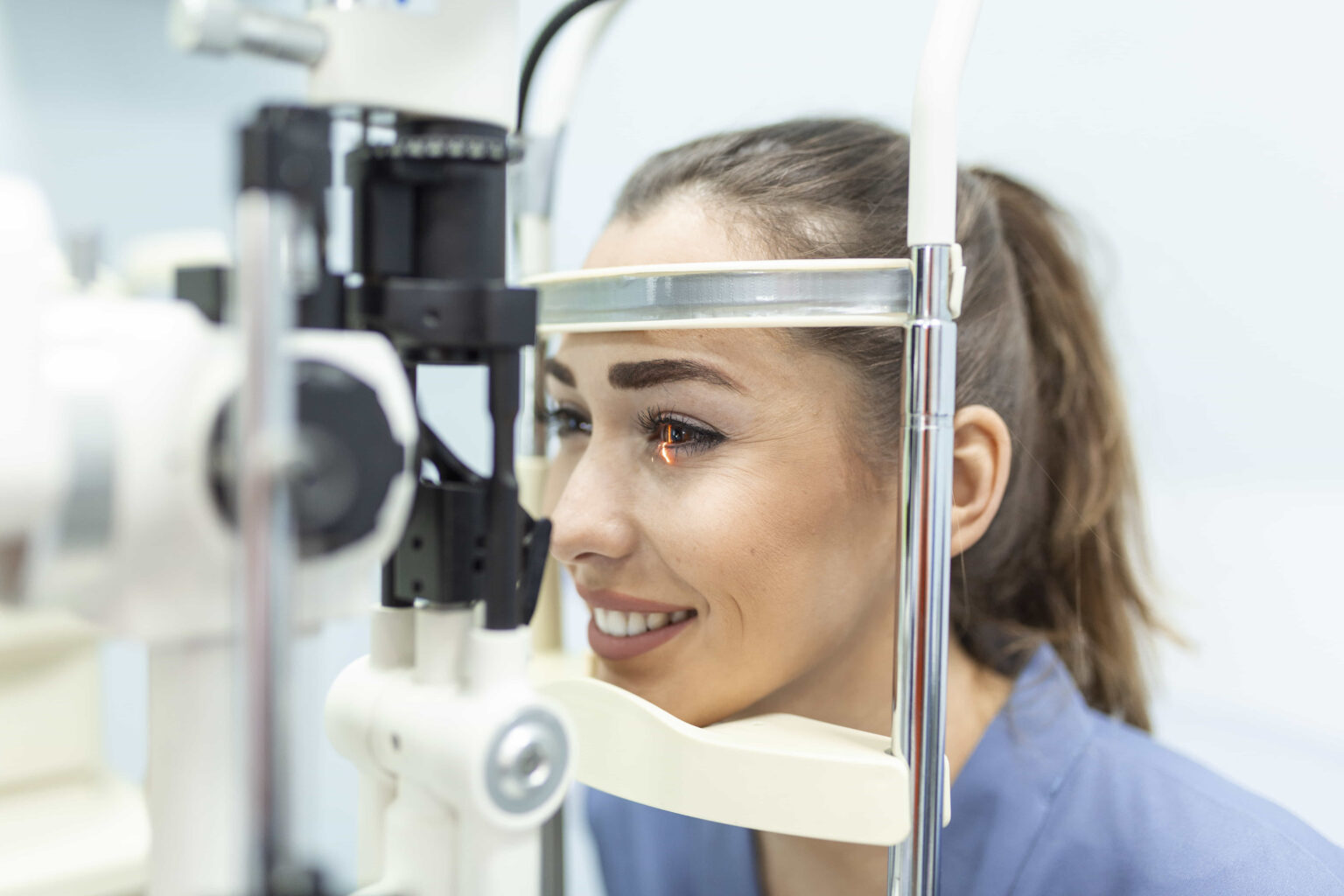
Daily Eye Care Routine for Healthy Vision
Your eyes work hard every day, from endless screen time to adjusting in different lighting conditions. Over time, you may notice changes like difficulty focusing, eye strain, or sensitivity to light. The good news? A few simple habits can go a long way in protecting your vision and keeping your eyes healthy for years to come. At Eyemastr, we believe prevention is better than cure. Here’s a practical daily eye care routine you can follow. 1. Eat for Your Eyes Nutrition plays a big role in vision health. The right nutrients help lower the risk of age-related issues like cataracts and macular degeneration. Add these foods to your plate: • Leafy Greens: Spinach, kale, romaine (rich in antioxidants)• Cruciferous Veggies: Broccoli, Brussels sprouts (vitamin-packed)• Fatty Fish: Salmon, sardines (omega-3s for retinal health)• Bright Veggies: Carrots, red peppers (vitamin A)• Proteins: Eggs, nuts, beans (essential building blocks)• Citrus Fruits: Oranges, kiwis (vitamin C boost)• Zinc Sources: Chickpeas, yogurt (supports retinal function) 2. Shield Your Eyes from the Sun UV rays don’t just damage your skin, they also harm your eyes. Overexposure increases the risk of cataracts and macular degeneration. • Wear sunglasses that block 99–100% UVA and UVB rays, even on cloudy days• Opt for wrap-around frames for extra coverage• Pair with a wide-brimmed hat for complete protection 3. Manage Screen Time Smartly Digital devices strain your eyes. Symptoms like dryness, headaches, and blurry vision are common. To reduce strain: • Follow the 20-20-20 rule: Every 20 minutes, look at something 20 feet away for 20 seconds• Keep your screen about 20 inches from your eyes• Use blue-light-blocking lenses or reduce screen brightness 4. Practice Clean Habits Eye hygiene is often overlooked but crucial. • Wash hands before touching your eyes or handling lenses• Remove makeup before bed to avoid infections• Replace eye makeup every 3 months• Choose gentle, hypoallergenic skincare for the eye area 5. Exercise Your Eyes Just like the body, your eyes benefit from regular exercise. Try: • Palming: Rest warm palms over your eyes for relaxation• Focus Shifts: Alternate between near and far objects• Eye Rotations: Gently move eyes in circles to improve flexibility 6. Stay Smoke-Free Smoking raises the risk of cataracts, macular degeneration, and optic nerve damage. Quitting is tough but worth it. Swap cravings with healthy distractions like walking, listening to music, or deep breathing. 7. Prevent Dry Eyes If your eyes feel gritty or dry: • Use lubricating drops or artificial tears• Blink often, especially while on screens• Stay hydrated throughout the day 8. Wear Protective Eyewear Whether it’s sports, DIY projects, or working with chemicals, safety goggles prevent accidents. For outdoor use, UV-blocking sunglasses double as style and protection. 9. Sleep Well Rest is recovery. Aim for 7 to 9 hours of sleep to keep eyes refreshed, reduce puffiness, and prevent strain. For under-eye care, add a hydrating serum or cream to your night routine. 10. Schedule Eye Exams Even if your vision feels fine, yearly checkups detect problems early. An eye doctor can test for: • Glaucoma• Cataracts• Macular degeneration• Prescription updates Early detection is key to long-term eye health. ALSO SEE: AI-Powered Eye Exams for Smarter Vision Caring for your eyes doesn’t need to be complicated. By eating well, protecting against UV rays, limiting screen time, and scheduling regular checkups, you’ll safeguard not only your vision but your overall health. At Eyemastr, we’re here to make daily eye care easier, from protective sunglasses to expert insights. Start building your eye care routine today and give your eyes the attention they deserve. Frequently Asked Questions 1. How can I naturally improve my eye health?Eat a nutrient-rich diet, wear sunglasses outdoors, avoid smoking, and take regular screen breaks. 2. Is cold water good for eyes?Yes. Cold compresses can reduce swelling, irritation, and dryness. 3. Can I use hot water for eyes?No. Hot water can cause serious injury. Use a warm compress instead for conditions like blepharitis. 4. What foods should I avoid for eye health?Limit high glycaemic foods like white bread, sugary cereals, and fried snacks. Choose whole grains, fruits, and vegetables instead. 5. Which vitamins support healthy eyes?Vitamin A: Prevents drynessVitamin C and E: Protect against oxidative damageZinc and Copper: Support retinal functionLutein and Zeaxanthin: Reduce age-related eye risks FOLLOW US: INSTAGRAM, LINKEDIN
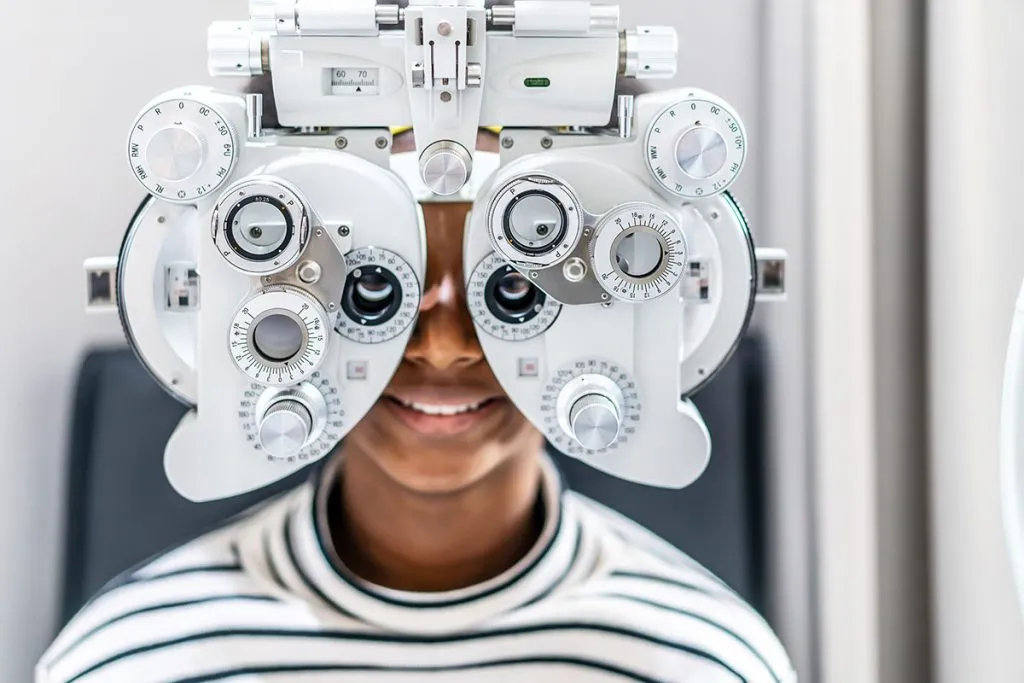
AI-Powered Eye Exams for Smarter Vision
Imagine stepping into an eye care center where advanced technology takes the lead. In just minutes, AI scans your eyes and provides highly accurate results eliminating the long waits you may have experienced with traditional exams. At Eyemastr, we believe the future of vision care lies in this blend of innovation and expertise. With AI-powered eye exams, smarter and faster screenings are now a reality. Revolutionizing Eye Exams with AI Artificial intelligence is transforming how we protect and preserve vision. Sophisticated algorithms can now analyze retinal scans within seconds helping detect conditions like glaucoma, macular degeneration, and diabetic retinopathy at their earliest stages. Early detection means earlier treatment and better long-term outcomes for patients. Unlike manual interpretation alone, AI analyzes vast data sets and identifies subtle changes in the eyes that might otherwise go unnoticed. This precision gives you peace of mind knowing that nothing is overlooked. Why AI Matters for Your Vision Your eyesight deserves the best protection. AI-powered exams deliver: At Eyemastr, this means you walk out of your appointment with a clear understanding of your eye health and a plan for protecting it. ALSO SEE: Advanced Ophthalmology in Dubai | Eyemastr Care How It Works at Eyemastr The process is simple and seamless: This streamlined approach reduces the need for multiple visits and ensures you get answers on the spot. Beyond Screening: Smarter Eye Care AI isn’t just about detecting problems it also helps predict potential risks. By analyzing trends in your eye health, AI allows us to create proactive care plans that may include lifestyle recommendations to protect your vision for the future. Faster, more efficient exams also mean lower long-term costs, without compromising on quality. Balancing Innovation with Human Expertise Some patients wonder whether AI might replace doctors. At Eyemastr, AI enhances never replaces our expert optometrists. Think of it as a powerful tool that supports clinical decision-making, while our team ensures your care remains personal and compassionate. Your privacy and security are also a top priority. All scans and data are encrypted and kept confidential in compliance with strict health standards. The Future of Eye Exams Is Here As AI continues to evolve, so will its role in vision care. From advanced detection of rare eye conditions to potential real-time monitoring with wearable devices, the possibilities are endless. At Eyemastr, we’re committed to bringing you the latest innovations combined with the care and expertise you trust. Don’t wait for vision problems to surface. Be proactive about your eye health with AI-powered exams at Eyemastr. Experience faster, smarter, and more precise screenings today. Schedule your appointment now and step into the future of eye care with Eyemastr. FOLLOW US: INSTAGRAM, LINKEDIN
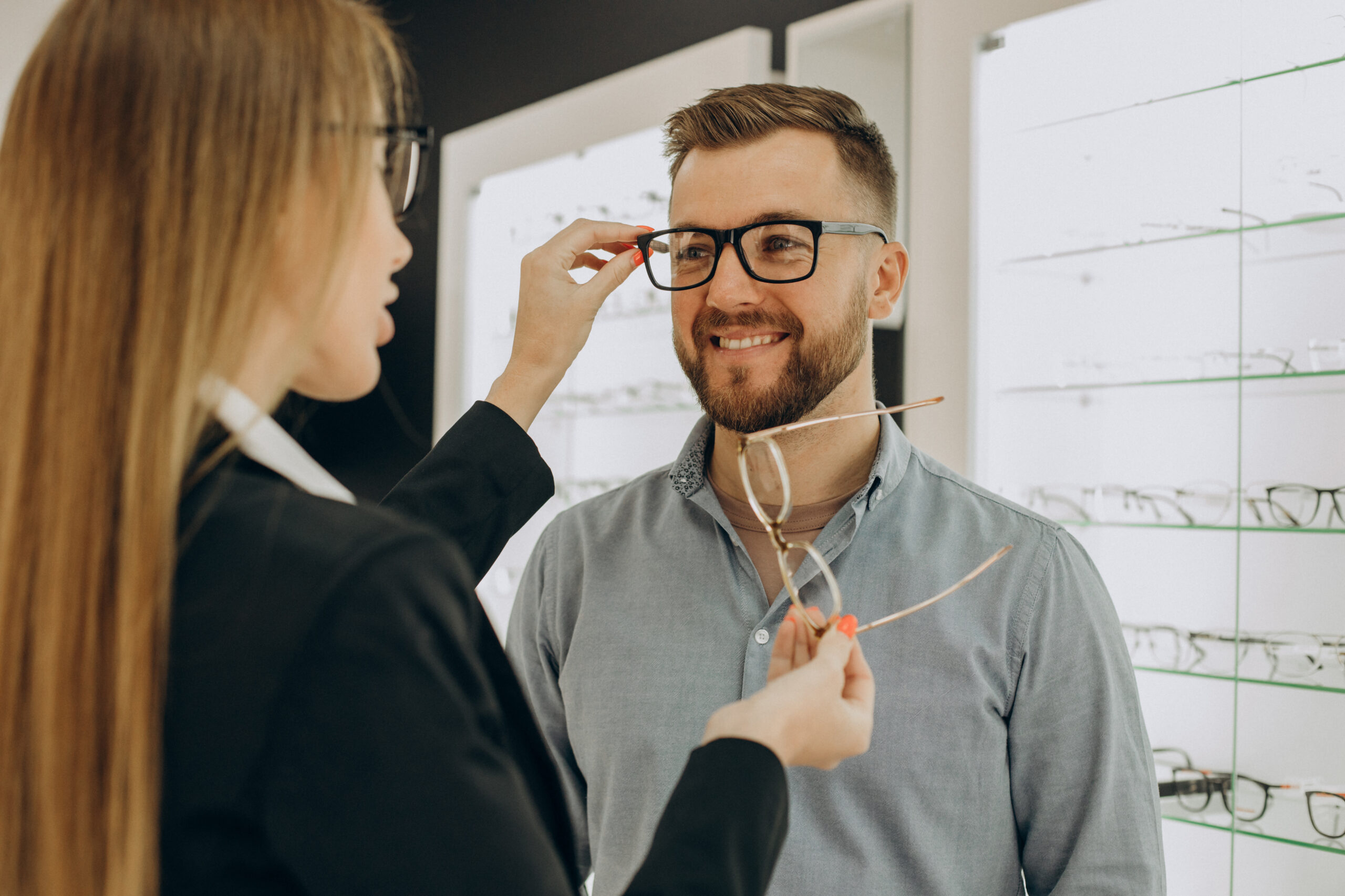
Eye Care Myths Debunked by Eyemastr
At Eyemastr, we believe that knowledge is the first step to healthier eyes. Unfortunately, myths and misconceptions about eye health are still widespread, leaving many people confused about what’s true and what’s not. To help you make informed decisions, we’re debunking the top 10 eye care myths that patients should leave behind. 1. Eating Carrots Will Give You Super Night Vision Carrots contain vitamin A, which is important for eye health, but they won’t give you extraordinary night vision. This belief began during World War II as part of a propaganda campaign, not medical fact. Eyemastr Insight: Nutrition supports eye health, but regular eye exams are the real key to protecting your vision.Z 2. Wearing Reading Glasses Weakens Your Eyes 3. Reading in Low Light Ruins Your Eyes Reading in poor lighting can cause eye strain or headaches, but it won’t permanently damage your eyes. Eyemastr Insight: Good lighting helps with comfort, but it doesn’t prevent or cause vision loss. 4. Having 6/6 Vision Means Perfect Eye Health Clear vision doesn’t mean your eyes are disease-free. Conditions like glaucoma, cataracts, or macular degeneration can exist without affecting your vision in the early stages. Eyemastr Insight: Routine eye tests are essential, even if your vision seems perfect. 5. Buying Contact Lenses Online Is Always Safe Contact lenses are medical devices, and buying them without professional advice can be risky. Poorly fitted lenses may harm your eyes. Eyemastr Insight: Always consult an optometrist before purchasing lenses to ensure they are safe and suitable. 6. Contact Lenses Are Only for Adults Children and teenagers can safely use contact lenses too. In fact, contacts can support confidence and are useful for sports and myopia management. Eyemastr Insight: With proper guidance, contact lenses can be a great choice for young patients. 7. Short-Sightedness in Children Is Just a Vision Problem Myopia is more than just blurry vision—it increases the risk of serious eye conditions later in life. Eyemastr Insight: Early intervention with proper treatment and monitoring helps protect long-term eye health. 8. I Only Need an Eye Exam If I Notice Problems Many eye conditions progress silently without symptoms. By the time problems are noticeable, irreversible damage may already have occurred. Eyemastr Insight: Preventive eye exams should be part of your regular health routine. 9. Expensive and Cheap Lenses Are the Same Not all lenses are equal. Premium lenses often provide clearer, more comfortable, and customised vision compared to cheaper options. Eyemastr Insight: At Eyemastr, we help you choose lenses that match your needs, lifestyle, and budget. 10. Medications Don’t Affect Your Eyes Certain medications can affect your vision or eye health. Ignoring this link may delay proper treatment. Eyemastr Insight: Always inform your optometrist about any medications you are taking. Don’t let myths decide how you care for your eyes. The truth is simple—healthy vision requires regular professional care, lifestyle awareness, and trusted advice. At Eyemastr, we’re here to guide you with accurate information, advanced technology, and personalised care. Book your comprehensive eye exam with Eyemastr today and take the first step toward clearer, healthier vision. FOLLOW US: INSTAGRAM, LINKEDIN