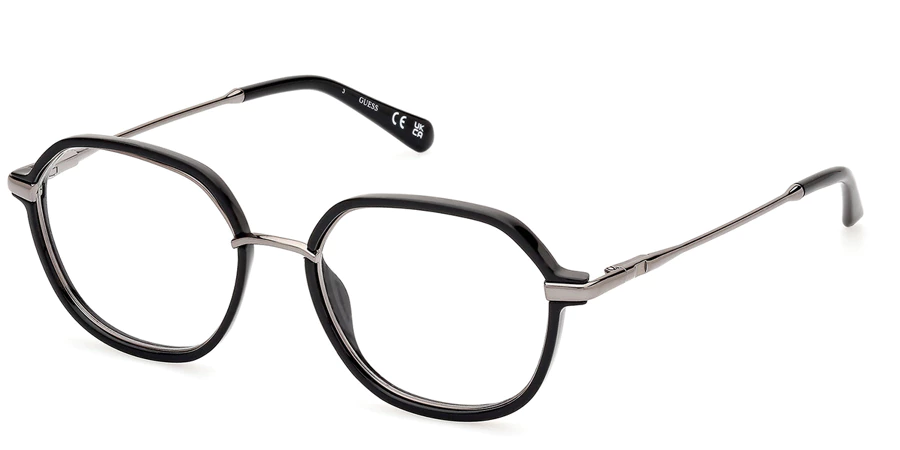
Wearing eyeglasses all day shouldn’t feel heavy or uncomfortable. If your frames leave marks on your nose, cause headaches, or feel bulky, it’s time to switch to lightweight eyeglass frames designed for long-lasting comfort. Today’s modern eyewear combines style, durability, and feather-light materials to give you a smooth, irritation-free wearing experience. Here’s a complete guide to the best lightweight eyeglass frame options that offer maximum comfort from morning to night. 1. Titanium Frames – Strong, Flexible & Ultra-Light Titanium is one of the top choices for people seeking both comfort and durability. These frames weigh significantly less than traditional metal frames and are resistant to bending, corrosion, and wear. Why they’re great:Extremely lightweightFlexible yet strongHypoallergenic for sensitive skin 2. TR90 Frames – Flexible & Comfortable 2. TR90 Frames: Flexible & Shock-Resistant TR90 frames are made from a special thermoplastic material known for their flexibility and feather-light feel. They are perfect for people who lead an active lifestyle or need glasses that stay comfortable throughout the day. Benefits:Super flexibleNatural, comfortable fitLightweight and durable 3. Acetate Frames – Stylish & Lightweight Acetate offers a premium aesthetic without the heaviness of regular plastic frames. They come in bold colors and patterns while still being lighter and more comfortable. Why people love them:Fashionable and modernLightweight premium feelSkin-friendly material 4. Minimalist Rimless & Semi-Rimless Frames If you want glasses that feel almost invisible, rimless and semi-rimless designs are ideal. These frames reduce pressure on your nose and ears, making them a top choice for professionals and minimalists. Features:Ultra-lightweightSleek, modern lookComfortable for long hours 5. Thin Metal Frames – Simple, Sleek & Light Thin stainless-steel or alloy frames offer the perfect balance of simplicity and comfort. They’re lightweight, durable, and great for people who prefer a simple yet elegant eyewear style. Advantages: Light on the face Long-lasting Minimalist and classy How to Choose the Right Lightweight Frames To ensure maximum comfort, consider the following: Lightweight frames are an investment in comfort, eye health, and style — making them perfect for everyday wear. Explore premium lightweight eyeglass frames at Eyemastr and find your perfect pair today! Stay connected with us:- Facebook , Instagram , X(Twitter) , LinkedIn

How to Care for Your Contact Lenses: A Complete Guide
Introduction: Why Proper Contact Lens Care Matters Contact lenses offer excellent convenience, comfort, and clear vision—but only when cared for properly. Poor cleaning habits can lead to eye irritation, dryness, blurry vision, and even serious infections. Whether you wear daily, weekly, or monthly lenses, following the right care routine ensures longer lens life and healthier eyes. This complete guide will walk you through the best contact lens care practices, recommended cleaning routines, and essential hygiene habits that every lens wearer must follow. 1. Wash & Dry Your Hands Before Touching Lenses Before inserting or removing your contact lenses, always wash your hands with mild soap and water.Avoid: oily, perfumed, or moisturizing soaps—they leave residue on lenses.Dry your hands with a lint-free towel to prevent particles from sticking to your lenses. 2. Use Fresh Contact Lens Solution Every Time Never reuse or “top up” old solution—this is one of the major causes of lens contamination. Always use fresh solution to: Avoid using water on your lenses. Tap water contains microbes like Acanthamoeba, which can cause severe eye infections. 3. Follow the Proper Cleaning Method (Rub + Rinse) Even if you use “no-rub” solutions, eye specialists recommend the rub-and-rinse method for maximum safety. How to clean your contact lenses: 4. Replace Your Lenses as Per the Schedule Never extend the lifespan of your lenses beyond what is recommended. Types of contact lenses & replacement schedule: 5. Clean Your Contact Lens Case Regularly A contaminated lens case can transfer bacteria directly to your eyes. Best practices: 6. Avoid Sleeping with Your Contact Lenses On Unless you are using special lenses approved for overnight wear, sleeping in contact lenses reduces oxygen supply to your eyes and increases the risk of infection by 8–10 times. 7. Keep Makeup & Lens Handling Separate Apply: Avoid waterproof products near the eyes—they can stick to lenses. 8. Don’t Wear Lenses When Eyes Are Irritated If your eyes feel: Remove your lenses immediately. Continuing to wear them may worsen the condition. 9. Keep Your Lens Case & Solution Away from Heat High temperatures can damage your lenses and reduce the effectiveness of disinfecting solutions. Avoid storing them in: 10. Schedule Regular Eye Check-ups Even if your vision feels normal, regular check-ups with an optometrist ensure: Stay connected with us:- Facebook , Instagram , X(Twitter) , LinkedIn
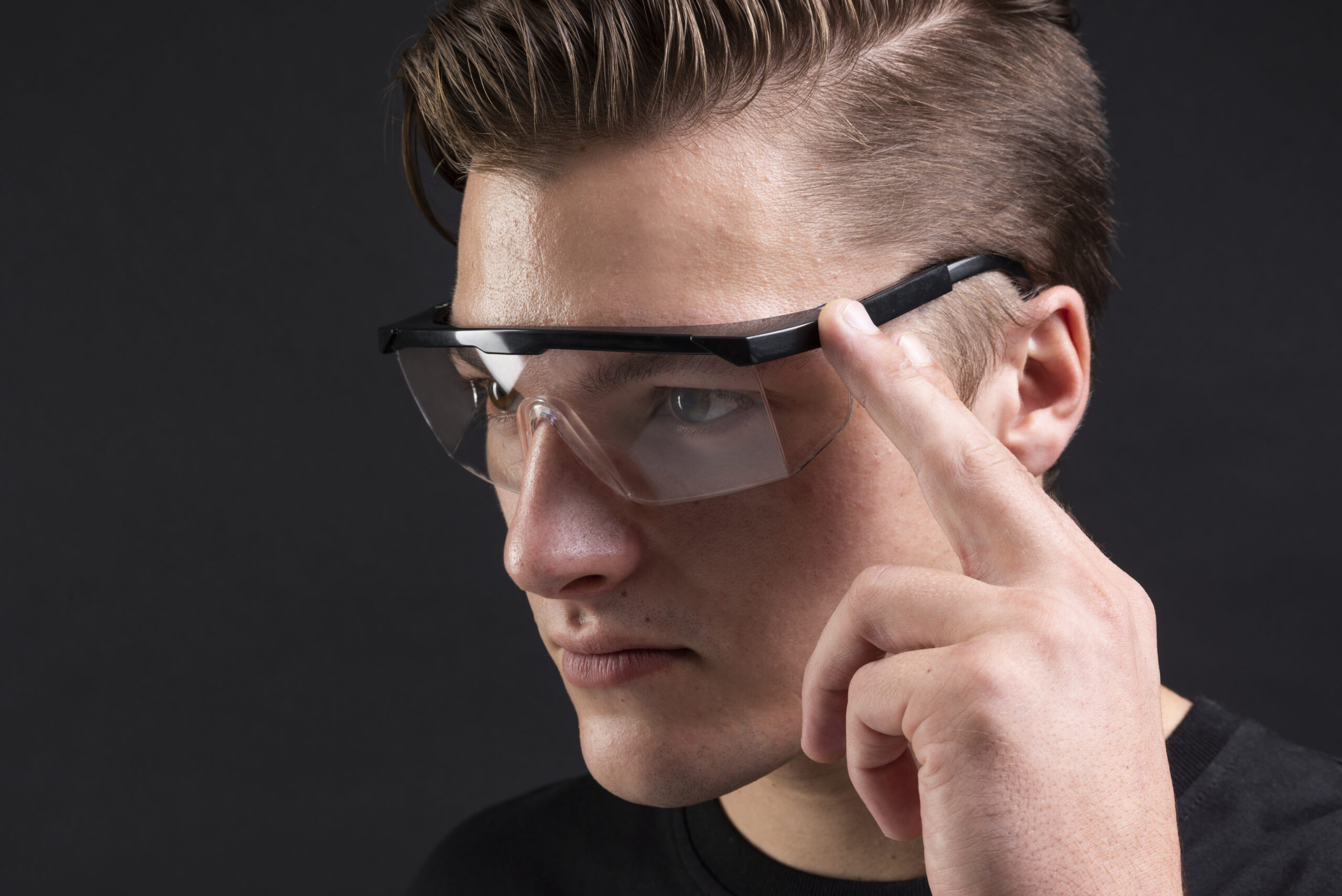
Flexible Smart Glasses: Where Innovation Meets Comfort
Smart eyewear is transforming the way we see and interact with the world. These advanced glasses blend digital technology with everyday vision, offering hands-free access to navigation, fitness data, communication, and immersive experiences. With built-in sensors, cameras, processors, and wireless connectivity, smart glasses deliver real-time information directly within your line of sight—merging the physical and digital worlds effortlessly. Types of Smart Eyewear How Smart Eyewear Works Smart glasses use micro-displays, motion sensors, AI software, and voice or touch controls to project digital content onto the lenses. They can be operated through voice commands, gestures, touch controls, or even connected devices like smartphones and wearables. Where Smart Glasses Excel The Future of Smart Eyewear With improved speech recognition, energy-efficient chips, and solar-powered designs, smart eyewear is becoming more intuitive and long-lasting. As technology evolves, these glasses will redefine how we work, learn, and experience the world. If you’re exploring the latest smart eyewear trends, Eyemastr is your destination for innovative, stylish, and future-ready vision solutions. Explore Smart Eyewear at Eyemastr and experience the future today! Stay connected with us:- Facebook , Instagram , X(Twitter) , LinkedIn

How to Understand Eyeglass Frame Measurements
A Peek into the Past of Eyewear What started as simple glass lenses designed to correct nearsightedness has evolved into a world of sophisticated eyewear built for clarity, comfort, and style. Modern eyeglass frames reflect advancements in material science, design innovation, and personal fashion expression—making them essential tools and stylish accessories at the same time. Eyeglasses are often seen as fashion statements, but behind every trendy frame lies a blend of art and precision. The structure of each frame is engineered with great detail—taking into account lens strength, facial anatomy, and long-term comfort. At Eyemastr, we emphasize this harmony of science and style, ensuring your frames look great and feel even better. Featherlight Style: Redefining Comfort with Lightweight Eyeglass Frames Lightweight frames have become a popular choice for daily wearers seeking all-day comfort. Materials like titanium, acetate, and TR-90 offer durability without the bulk, making them ideal for those who prioritize comfort along with aesthetics. At Eyemastr, you’ll find a curated collection of lightweight eyeglass frames designed to reduce pressure on the nose, ears, and temples—perfect for long hours of use. Factoring in the Numbers: Understanding Eyeglass Frame Dimensions Every pair of glasses comes with three crucial measurements, and knowing what they mean can help you make the right choice. 1. Lens Width Lens width measures the horizontal diameter of each lens. This value determines how much of your face the frame covers and influences both the look and functionality of your glasses. 2. Bridge Width This is the distance between the lenses. Bridge width affects how the glasses rest on your nose and plays an essential role in comfort and stability. A proper bridge width prevents sliding or pinching. 3. Temple Length Temple length refers to the arms of the frame—extending over and behind your ears. The right temple length ensures your eyeglasses remain secure and comfortable throughout the day. Mind the Measurements: Why Fit Matters An ill-fitting pair of glasses may look stylish but can cause discomfort, headaches, or even affect your vision alignment over time. Oversized frames may be trendy, but if they don’t align with your facial width, they will constantly slide down your nose. Proper measurements ensure your glasses stay in place, feel comfortable, and support healthy vision. Getting It Right: The Importance of Professional Guidance Navigating the world of eyeglass frame sizes and styles can feel overwhelming. This is where expert guidance becomes essential. Professional optometrists and eyewear specialists—like those behind Eyemastr—help you choose frames that match your prescription, lifestyle, and unique facial features. With their support, you can confidently pick eyewear that blends function with fashion. Understanding eyeglass frame dimensions empowers you to make smarter, more comfortable, and more stylish choices. Whether you’re shopping for lightweight frames, classic designs, or modern chasma styles, Eyemastr offers a wide range of eyewear crafted with precision and creativity. Browser the latest eyewear collections at Eyemastr and find your perfect fit today. Stay connected with us:- Facebook , Instagram , X(Twitter) , LinkedIn
How to Choose the Perfect Sunglasses for Your Face Shape
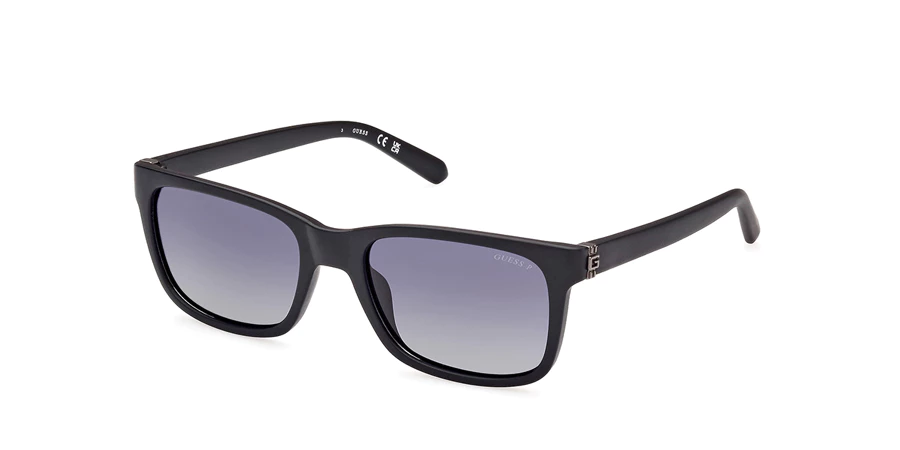
Introduction Have you ever wondered whether your face is long, oval, round, or square — or how much your face shape truly affects how sunglasses look on you?Surprisingly, the shape of your sunglasses has a huge impact on your style, comfort, and overall appearance. Before buying your next pair of shades, it’s important to understand your facial geometry—what to avoid, what to choose, and which frames will enhance your best features. In this guide, Eyemastr brings you everything you need to pick sunglasses that fit, flatter, and feel perfect. Understanding Different Face Shapes Knowing your face shape makes choosing the right sunglasses effortless. Below is a simple breakdown of each face type: Square Face Round Face Heart-Shaped Face Diamond Face Oval Face Triangular Face To choose the best sunglasses for your face shape, you must measure your face correctly. How to Measure Your Face Shape (Face Size Guide) Understanding your face dimensions helps you select the right frame size and style. Stand in front of a mirror and follow these steps: 1. Measure Cheekbone to Cheekbone Use a measuring tape to measure across the widest point of your cheeks. 2. Measure Jawline Place the tape under one ear at the jawbone, measure across to the other side. 3. Measure Face Length Measure from your hairline to the bottom of your chin. Face Shape Analysis with the Latest AI Technology Below are expert Eyemastr recommendations: Sunglasses for Round Face Choose frames that add angles and definition: Sunglasses for Square Face Pick styles that soften strong angles: Sunglasses for Oval Face The most versatile face shape — almost all styles suit you! Sunglasses for Heart-Shaped Face Balance a broad forehead with softer frames: Sunglasses for Diamond Face Highlight the cheekbones with striking shapes: Sunglasses for Triangular Face Add balance to the narrower chin: Sunglasses for Other Face Features Small Face Choose lightweight, slim frames: Long Face Add width and proportion: Wide Face Choose frames slightly wider than your face: Sunglasses for Bald Men Enhance facial structure with bold frames: Choosing the Right Frame Colour Frame color matters as much as frame shape. For Light/Pale Skin For Medium or Dark Skin Nearly all colours look great — from bold tones to clear frames. Protection Features to Look For Before Buying Sunglasses A stylish pair is great, but protection is essential. Always choose sunglasses with: ✔ 100% UVA & UVB protection✔ UV 400 protection✔ Scratch-resistant lenses✔ Anti-glare / polarized options (optional but recommended) If you own old sunglasses, you can get UV protection checked using a UV meter. Eyemastr Is Your Perfect Eyewear Partner Eyemastr is dedicated to bringing high-quality, stylish, and affordable sunglasses that suit every face shape and lifestyle. Our mission is simple: “To make premium eyewear accessible, stylish, and comfortable for everyone.” What you get with Eyemastr: Our design and research team constantly innovates to bring fresh styles and improved comfort. Stay connected with us:- Facebook , Instagram , X(Twitter) , LinkedIn
Why Kids Need Durable Glasses: The Importance of Long-Lasting Frames
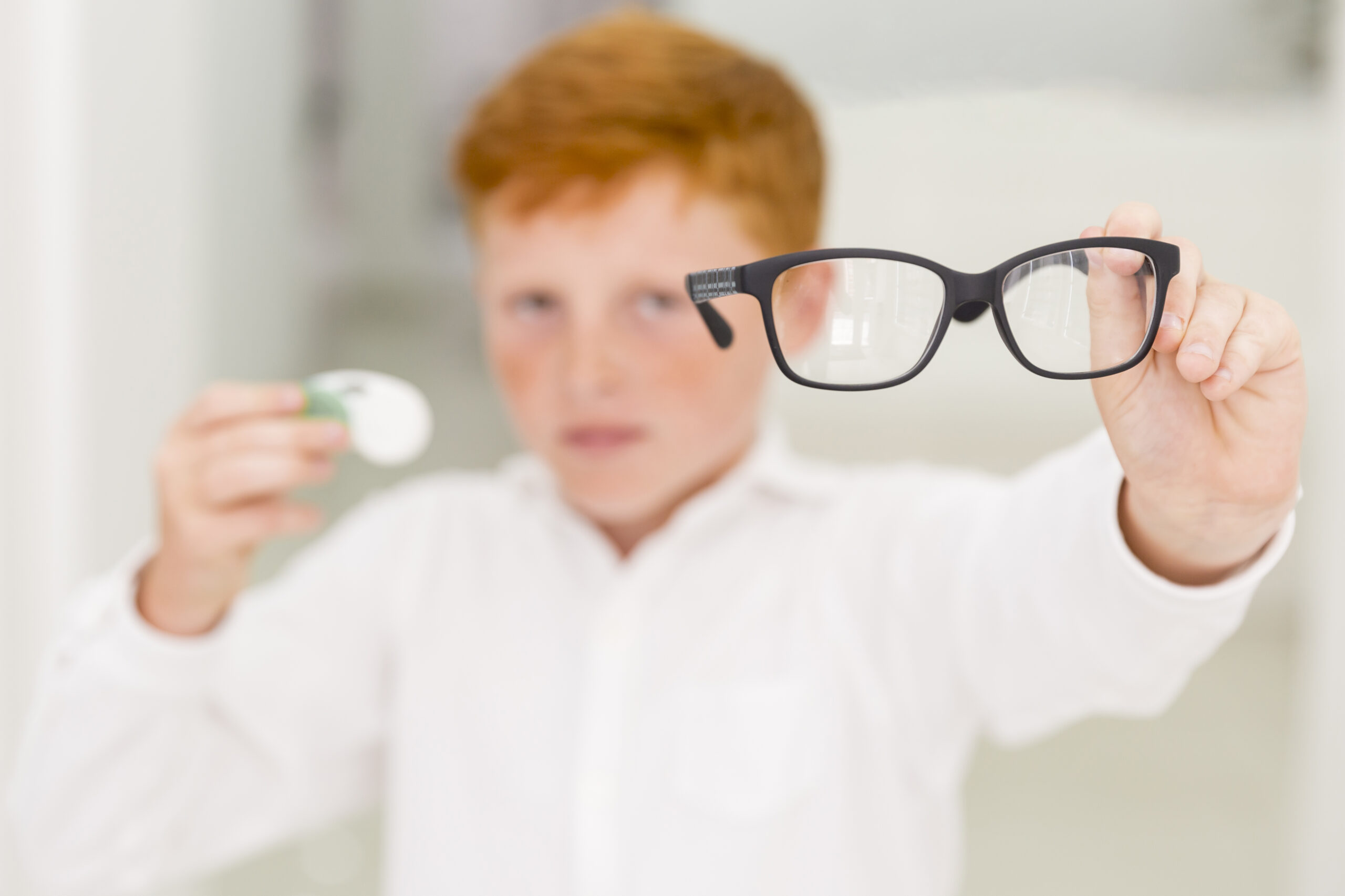
A child’s eyeglasses go through more in a single day than most adult pairs do in an entire month. They endure chalk dust in the classroom, crowded school corridors, bumpy bus rides, sweaty sports periods, and even the heavy weight of an overstuffed backpack. For kids to see clearly through it all, durable glasses aren’t a luxury—they’re a necessity. A strong, well-fitted pair prevents constant breakage, discomfort, and the habit of taking glasses off. Let’s explore the real-world challenges kids’ glasses face and what to look for when choosing frames that will survive a full school term. Where Eyeglasses Really Get Tested Glasses don’t break under display lights—they break in the chaos of everyday school life. A bent frame or scratched lens can quickly lead to blurry vision, squinting, eye strain, and headaches. Here’s what children’s glasses deal with daily: These aren’t accidents—they’re everyday moments. That’s why durability matters. Why Kids Need Strong, Long-Lasting Frames 1. Active Lifestyles Children run, jump, and play all day. Their glasses must withstand frequent drops, bumps, and impacts. 2. Learning Responsibility Kids are still developing habits of care. Durable frames reduce accidental damage from rough handling or misplacement. 3. Safety First Impact-resistant frames and lenses minimize the risk of injury during falls or sports. 4. More Value for Parents A sturdy pair of glasses cuts down on repair costs and frequent replacements. 5. Clear Vision Without Interruptions Stronger frames mean fewer breakages—and less downtime without proper vision correction. 6. Less Stress All Around Durable glasses offer peace of mind for parents and frustration-free wear for kids. Small Frames, Big Comfort At Eyemastr, our kids’ eyewear collection is crafted to make clear vision effortless and enjoyable. Each frame blends durability, comfort, and cheerful style—so children feel confident in class, at play, and everywhere in between. What Makes Our Collection Special Whether your child is getting their first pair of glasses or updating their look, our range brings together practicality and personality. Durability isn’t just a feature—it’s a combination of a strong frame, impact-resistant lenses, a secure fit, and a few good habits. Choose eyewear designed for the school week, not the display counter. When glasses stay in shape and stay comfortable, kids keep them on—seeing clearly, learning better, and living their day with confidence. Stay connected with us:- Facebook , Instagram , X(Twitter) , LinkedIn
Contact Lenses vs Eyeglasses: What’s the Right Choice for You?
Introduction Did you know the first functional contact lens was invented way back in the late 1880s? Since then, the ongoing debate between contact lenses and traditional eyeglasses has fascinated millions of vision wearers worldwide. Both have evolved immensely — offering better clarity, comfort, and design — but the question remains: which is the better choice? Globally, eyeglasses still dominate the market due to their affordability, accessibility, and long-lasting nature. Yet, recent trends reveal a steady surge in demand for contact lenses, as more people look for comfort, style, and convenience in their eyewear. Contact lenses offer a discreet, natural fit and enhance facial aesthetics without altering your appearance. Eyeglasses, on the other hand, are easy to maintain, provide eye protection, and can double as stylish fashion accessories. Choosing between the two can be tricky — especially if you’re on a budget and want the best of both worlds. So, let’s break down the pros and cons of contact lenses and eyeglasses to help you make an informed decision. Contact Lenses: Pros & Cons Pros of Contact Lenses Cons of Contact Lenses Eyeglasses: Pros & Cons Pros of Eyeglasses Cons of Eyeglasses Choosing Between Contact Lenses and Eyeglasses Ultimately, your choice depends on your lifestyle, comfort, and personal style preferences. Conclusion The contact lenses vs eyeglasses debate doesn’t have a one-size-fits-all answer. Contacts provide stealthy comfort, a wider field of vision, and lifestyle compatibility, while eyeglasses offer durability, protection, and easy maintenance. Whichever you choose, make sure it complements your lifestyle and comes from a trusted retailer like Eyemastr — your destination for affordable, stylish, and high-quality eyewear across India. Stay connected with us:- Facebook , Instagram , X(Twitter) , LinkedIn
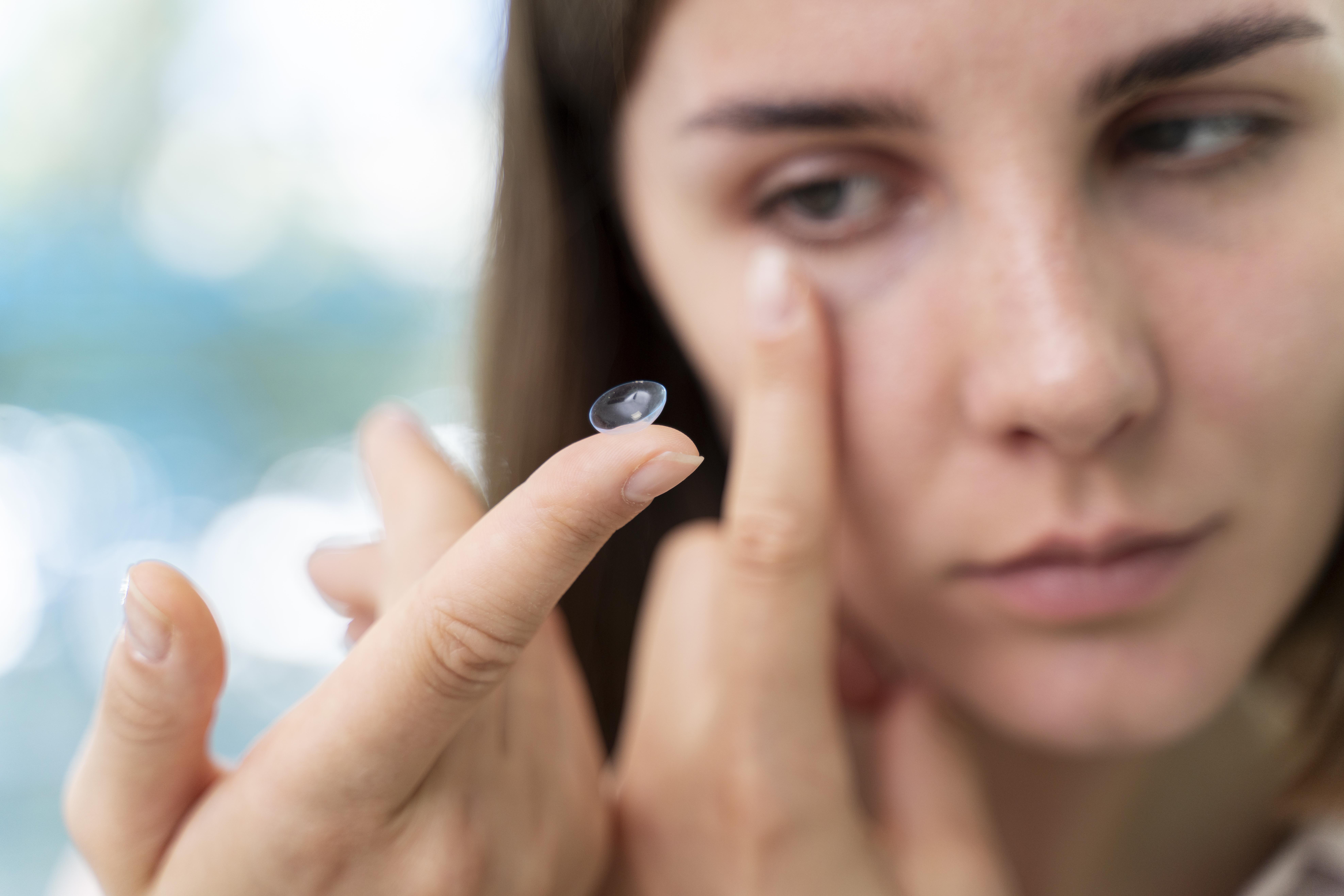
Best Way to Clean and Care for Contact Lenses
Introduction In recent years, contact lenses have gained immense popularity among both celebrities and everyday users. According to Statista, the Indian contact lens market is projected to surpass 250 million USD by 2029 — a clear reflection of how quickly people are moving from traditional spectacles to more convenient and aesthetic options like contact lenses. Why this shift? Contact lenses offer a natural, frame-free look that enhances your appearance effortlessly. You can even experiment with different coloured lenses to complement your outfit or express your personality. Unlike eyeglasses, lenses don’t alter your face shape or affect your peripheral vision. Plus, they eliminate the discomfort of frames pressing on your nose bridge. However, contact lenses require proper cleaning and maintenance to keep your eyes healthy and your lenses long-lasting. Before we get into the care routine, let’s first understand what contact lenses are made of and why that matters. How Are Contact Lenses Made? Most contact lenses are crafted from hydrogels — special water-absorbing polymers designed to keep your eyes moist and comfortable. These hydrogels can retain up to 70–80% water, which is vital since the cornea relies on the tear film for oxygen and moisture (it doesn’t have its own blood supply). If lenses don’t retain enough water, they can cause dryness, irritation, and even corneal damage. That’s why high-quality lenses are made using silicone hydrogel, a material that offers seven times more oxygen permeability compared to standard hydrogels. When shopping for contact lenses, always ensure they’re made from silicone hydrogel — not cheaper alternatives — for maximum comfort and eye safety. Step-by-Step Guide to Clean Contact Lenses Step 1: Wash Your HandsThoroughly clean your hands with mild soap and dry them using a soft, lint-free towel (preferably cotton). Step 2: Remove the Lenses CarefullyTake out one lens at a time. Place it on your palm and add a few drops of a lens cleaning solution — never use tap water. If unsure, consult your eye doctor for a suitable brand. Step 3: Gently Rub the LensUsing your fingertip, gently rub the lens in a circular motion for about 10 seconds. This helps remove protein deposits and bacteria from the surface. Step 4: Rinse ThoroughlyRinse each lens with a few more drops of the cleaning solution to remove any leftover debris. Step 5: Store in a Fresh SolutionPlace the cleaned lenses in a sterile lens case filled with fresh solution. Always use new solution each time to prevent contamination. Tips to Prolong the Life of Your Contact Lenses Conclusion Contact lenses are a game-changer for anyone seeking a natural, hassle-free alternative to eyeglasses. With proper cleaning and care, they can enhance your vision and appearance safely. Stay Connected with Eyemastr Facebook , Instagram , X(Twitter) , LinkedIn
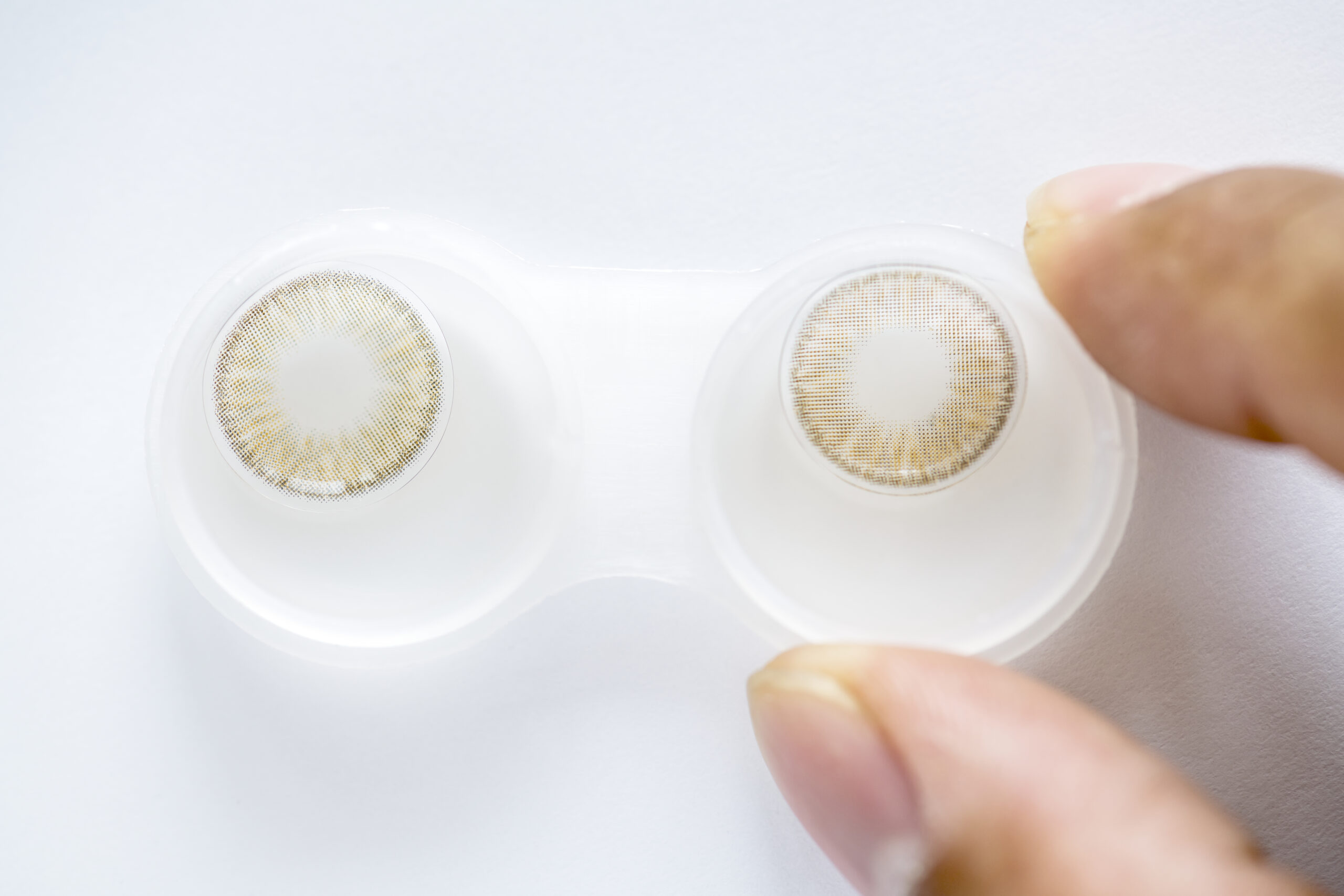
Why Your Toric Contact Lenses Feel Uncomfortable — and How to Fix It Instantly
The Rise of Toric Lenses for Astigmatism Did you know that nearly half of the world’s population has astigmatism—yet many still haven’t discovered the comfort and clarity of Toric contact lenses? That’s changing fast. As more people seek sharper, more stable vision, Toric lenses are becoming a go-to solution for everyday comfort and confidence. But what if your Toric lenses feel uncomfortable — dry, blurry, or like they keep slipping out of place? Don’t worry. Most of these issues are easy to fix once you understand what’s really going on. In this Eyemastr guide, we’ll break down the most common reasons Toric lenses cause discomfort and share simple, expert-approved fixes to get your vision crisp and clear again. What Makes Toric Lenses Different? If you have astigmatism, your cornea isn’t perfectly round — it’s slightly oval, which causes light to focus unevenly. Toric lenses are specially designed to correct this with two powers in one lens: one for astigmatism and another for nearsightedness or farsightedness. Because of their complex design, Toric lenses must stay perfectly aligned on your eye. If they rotate or don’t fit right, you’ll feel irritation or notice blurry, fluctuating vision. Common Reasons Your Toric Lenses Feel Uncomfortable (and How to Fix Them) 1. Lens Rotation or Misalignment When your Toric contact lens rotates, even slightly, your vision can blur instantly. This happens when the lens’s stabilizing zones don’t align with your cornea. Quick Fixes: 2. Incorrect Fit or Lens Size Every eye is unique, and so are Toric lens sizes. A poor fit can make the lens move too much (feels loose) or feel tight and irritating. Quick Fixes: 3. Dry Eyes or Poor Tear Quality Toric lenses rely on a healthy tear film to stay stable and smooth. Dry eyes can cause stickiness, grittiness, or blurred vision. Quick Fixes: 4. Protein or Debris Buildup Even with proper care, protein deposits and dust can collect on lenses — especially if worn longer than recommended. This buildup can cause irritation and blurred vision. Quick Fixes: 5. Incorrect Prescription Even a small axis or cylinder error in your prescription can cause discomfort, blurred vision, or eye strain. Quick Fixes: Instant Comfort Fixes You Can Try Right Now Need relief fast? Try these quick hacks: When to Contact Your Eye Doctor or Lens Provider If discomfort continues despite trying these fixes, contact your Eyemaster optometrist or support team. Trusted providers often offer free replacements or refitting appointments. Persistent discomfort is never normal — and the right professional help can make a world of difference. Toric lenses are a game-changer for astigmatism, but comfort depends on the right fit, care, and prescription. A few small adjustments — better hygiene, a new lens type, or a professional fitting — can instantly restore comfort and crystal-clear vision. Your eyes deserve the best.Choose comfort. Choose clarity. Choose Eyemastr. 👁️ 👋 Stay Connected with Eyemastr Facebook , Instagram , X(Twitter) , LinkedIn

Common Myths About Wearing Glasses Debunked: From “Makes My Eyes Worse” to “Only for Old People”
Wearing glasses has long been surrounded by misconceptions. Many people still believe that glasses make their vision weaker or that they are only meant for older individuals. In reality, glasses are a simple and effective tool to correct vision problems and improve quality of life. Let’s clear up some of the most common misunderstandings about wearing glasses once and for all. Wearing glasses makes your eyes weaker One of the biggest misconceptions is that glasses make your eyes dependent on them, causing your vision to deteriorate over time. This is not true. Glasses don’t change your eye structure; they simply correct how light enters your eyes so you can see clearly. If your eyesight worsens, it’s due to natural changes in your eyes, not because you wear glasses. Glasses are only for old people Another common belief is that glasses are a sign of aging. Vision problems can occur at any age — from childhood to adulthood. Children often need glasses for nearsightedness, farsightedness, or astigmatism, while adults may develop presbyopia or other conditions as they age. Wearing glasses is about improving vision, not age. Wearing someone else’s glasses can improve your vision Using another person’s prescription glasses is not only ineffective but also harmful. Every individual’s eyesight is unique, and wearing glasses that aren’t made for your eyes can lead to headaches, eye strain, or blurred vision. Always consult an eye specialist to get your personalized prescription. If I can see fine sometimes, I don’t need glasses Many people assume that if they can see well most of the time, glasses are unnecessary. However, vision problems can be subtle. You might see clearly at certain distances but struggle in low light or while reading. Regular eye check-ups are important to detect and correct these issues before they worsen. Contact lenses are better than glasses Both glasses and contact lenses have their advantages. Contact lenses provide a natural look and wider field of vision, while glasses are convenient, low-maintenance, and protect your eyes from dust and pollutants. The choice depends on your lifestyle and comfort, not on which is better. Once you get glasses, you’ll need stronger ones every year Your prescription might change over time, but that doesn’t mean glasses are causing it. Eye changes can occur naturally due to age, health, or screen habits. Regular eye exams help monitor and adjust your prescription to maintain clear vision. The truth about wearing glasses Wearing glasses is about taking care of your eyes, not a sign of poor health or aging. They help you see the world more clearly, reduce strain, and prevent further discomfort. Modern eyewear also comes in stylish designs, making glasses a fashion accessory as much as a functional tool. Your eyes deserve care and attention. Don’t let old misconceptions stop you from wearing glasses if you need them. Schedule regular eye check-ups, follow your optometrist’s advice, and embrace your glasses with confidence. Clear vision is not just about seeing better — it’s about living better.