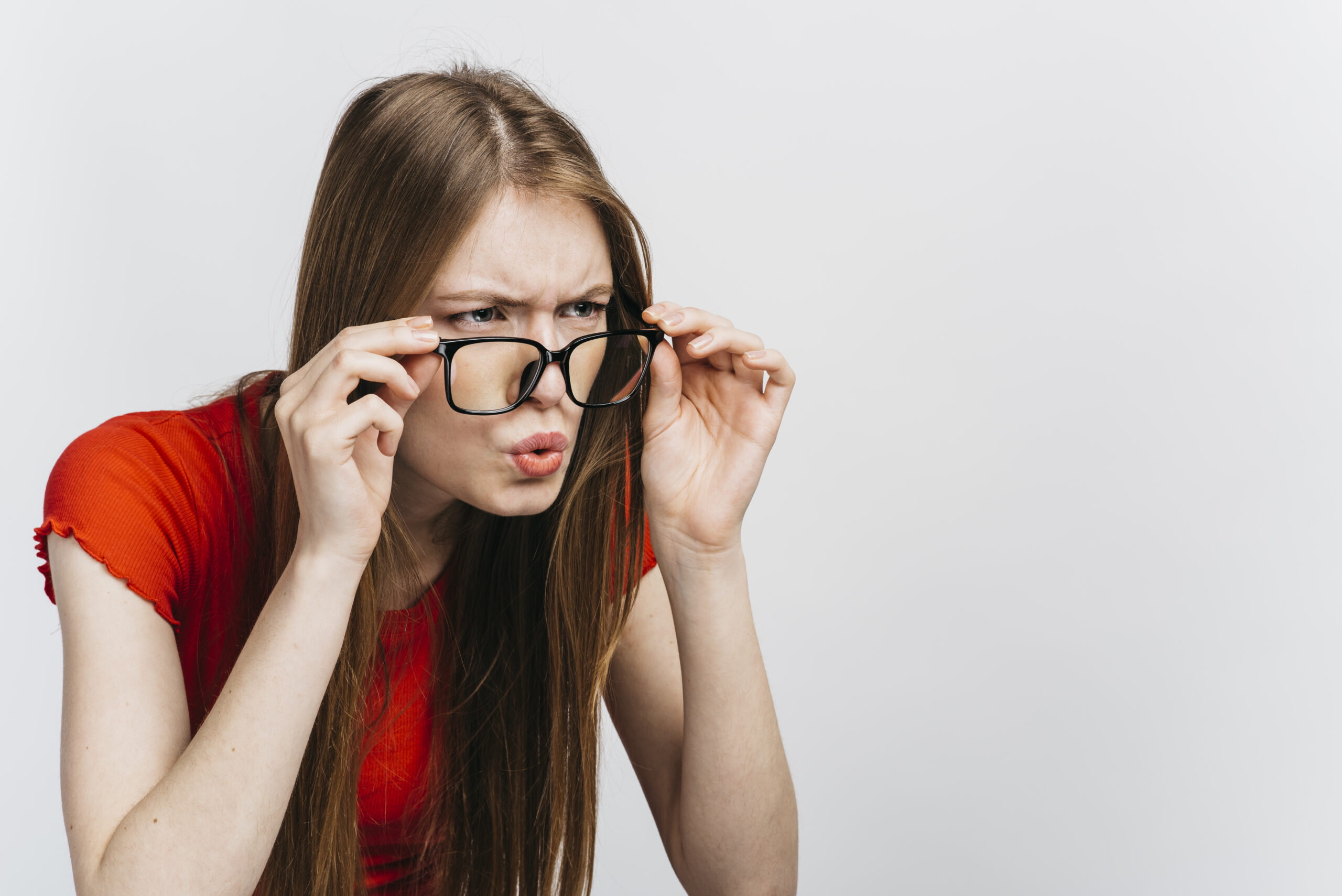
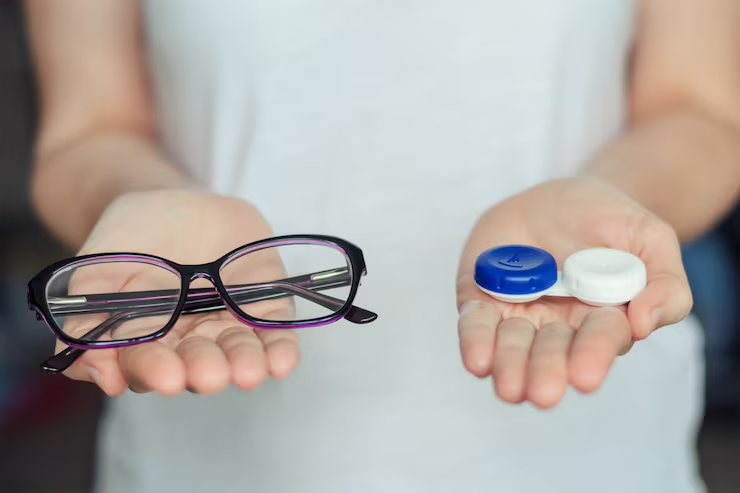
Wearing glasses has long been surrounded by misconceptions. Many people still believe that glasses make their vision weaker or that they are only meant for older individuals. In reality, glasses are a simple and effective tool to correct vision problems and improve quality of life. Let’s clear up some of the most common misunderstandings about wearing glasses once and for all. Wearing glasses makes your eyes weaker One of the biggest misconceptions is that glasses make your eyes dependent on them, causing your vision to deteriorate over time. This is not true. Glasses don’t change your eye structure; they simply correct how light enters your eyes so you can see clearly. If your eyesight worsens, it’s due to natural changes in your eyes, not because you wear glasses. Glasses are only for old people Another common belief is that glasses are a sign of aging. Vision problems can occur at any age — from childhood to adulthood. Children often need glasses for nearsightedness, farsightedness, or astigmatism, while adults may develop presbyopia or other conditions as they age. Wearing glasses is about improving vision, not age. Wearing someone else’s glasses can improve your vision Using another person’s prescription glasses is not only ineffective but also harmful. Every individual’s eyesight is unique, and wearing glasses that aren’t made for your eyes can lead to headaches, eye strain, or blurred vision. Always consult an eye specialist to get your personalized prescription. If I can see fine sometimes, I don’t need glasses Many people assume that if they can see well most of the time, glasses are unnecessary. However, vision problems can be subtle. You might see clearly at certain distances but struggle in low light or while reading. Regular eye check-ups are important to detect and correct these issues before they worsen. Contact lenses are better than glasses Both glasses and contact lenses have their advantages. Contact lenses provide a natural look and wider field of vision, while glasses are convenient, low-maintenance, and protect your eyes from dust and pollutants. The choice depends on your lifestyle and comfort, not on which is better. Once you get glasses, you’ll need stronger ones every year Your prescription might change over time, but that doesn’t mean glasses are causing it. Eye changes can occur naturally due to age, health, or screen habits. Regular eye exams help monitor and adjust your prescription to maintain clear vision. The truth about wearing glasses Wearing glasses is about taking care of your eyes, not a sign of poor health or aging. They help you see the world more clearly, reduce strain, and prevent further discomfort. Modern eyewear also comes in stylish designs, making glasses a fashion accessory as much as a functional tool. Your eyes deserve care and attention. Don’t let old misconceptions stop you from wearing glasses if you need them. Schedule regular eye check-ups, follow your optometrist’s advice, and embrace your glasses with confidence. Clear vision is not just about seeing better — it’s about living better.
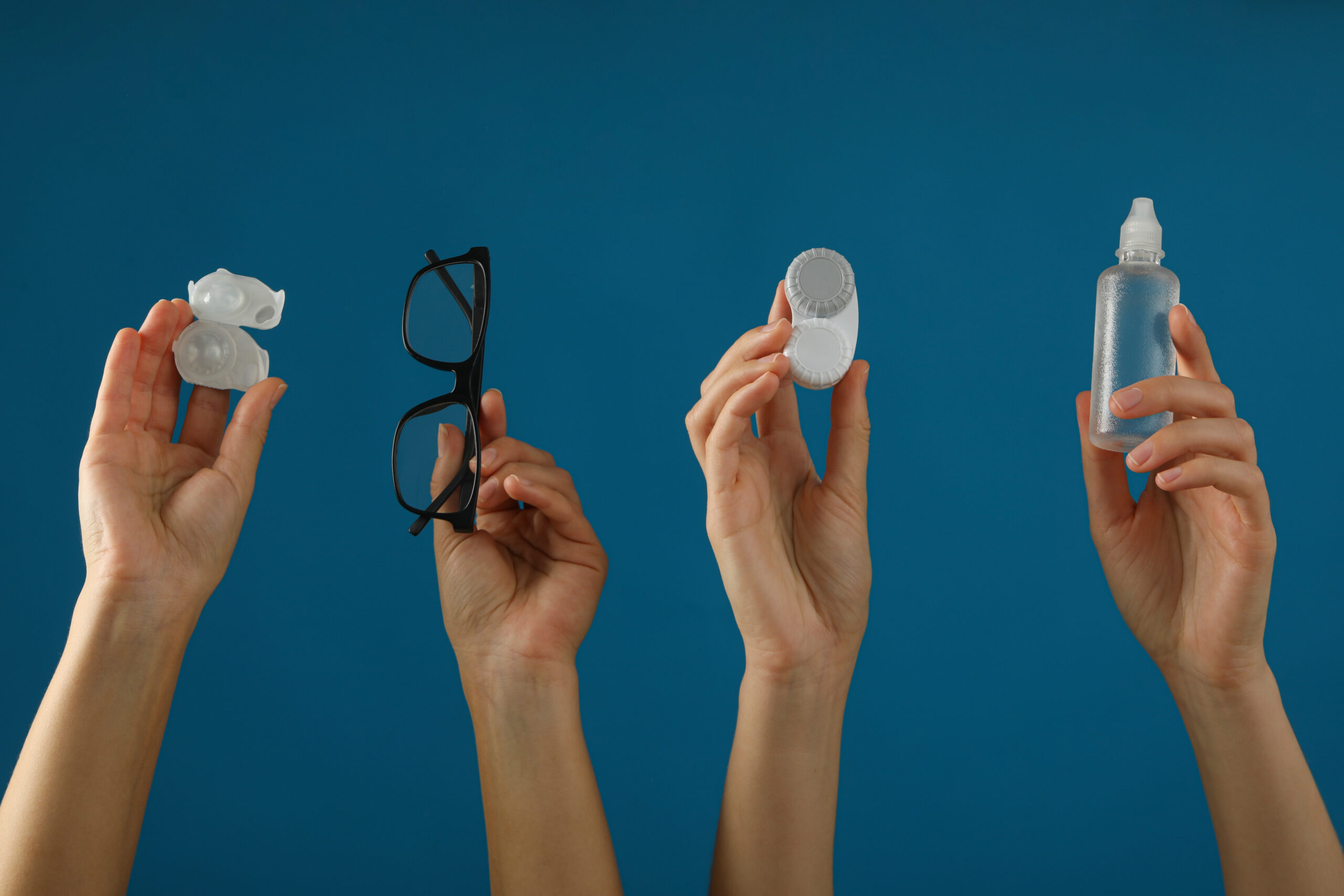
Care and Maintenance of Contact Lenses in Humid Climates
Wearing contact lenses can be a comfortable and convenient alternative to glasses but when you live in a humid climate, your eyes and lenses need extra attention. High humidity, sweat, and airborne particles can all affect lens hygiene and comfort. Whether you are living near the coast, in the tropics, or facing monsoon weather, proper lens care is essential to keep your eyes healthy and your vision clear. Why Humidity Affects Your Contact Lenses Humidity increases moisture in the air, which can make lenses feel sticky or uncomfortable. It can also encourage bacterial and fungal growth if hygiene is not maintained. Humidity can cause fogging or blurring due to trapped moisture and sweat and lead to protein and lipid deposits on lenses faster than usual. In short, your contact lenses can easily become a breeding ground for germs if not cared for properly. Clean and Disinfect Regularly In humid environments, bacteria multiply faster. Always clean your lenses with a recommended multi-purpose or hydrogen peroxide solution, never with tap water or saliva. Disinfect after every wear, even if you used them for a short time. Tip: Replace your lens solution every day and avoid topping off old solution in the case because it reduces disinfection effectiveness. Keep Your Lens Case Dry and Hygienic Your lens case is as important as your lenses. In humid climates, cases often remain damp, encouraging microbial growth. Rinse the case with fresh lens solution, not water. Let it air-dry upside down on a clean tissue and replace the case every one to three months. Limit Exposure to Sweat, Dust, and Rain Outdoor humidity means more sweat, rain, and airborne particles. These can irritate your eyes and damage lenses. Avoid touching your eyes with wet or dirty hands. Wear sunglasses outdoors to shield lenses from dust and debris. If rainwater gets into your eyes, remove and clean lenses immediately. Stay Hydrated and Use Rewetting Drops Humid air does not always mean your eyes stay hydrated. Air conditioning or prolonged screen time can still cause dryness. Drink plenty of water. Use preservative-free lubricating eye drops designed for contact lens wearers and blink often, especially when using digital devices. Follow the Recommended Replacement Schedule Do not extend the use of your daily, bi-weekly, or monthly lenses. In humid conditions, lenses attract more deposits, which can reduce oxygen flow and increase infection risk. Stick to your replacement schedule for healthy and clear vision. Give Your Eyes a Break Try alternating between contact lenses and glasses, especially on very humid days. This gives your eyes time to rest and reduces the risk of irritation or infection. Common Mistakes to Avoid Sleeping in lenses not meant for overnight wear, storing lenses in tap water, wearing lenses while swimming or showering, and ignoring discomfort or redness are common mistakes. If you notice persistent discomfort or blurred vision, remove your lenses and consult an eye care professional immediately. Caring for contact lenses in humid climates takes a bit of extra effort, but it is worth it for healthy and clear vision. With regular cleaning, mindful hygiene, and good habits, you can comfortably wear your lenses all year round regardless of the weather.

Prescription Sunglasses in India: What You Should Consider Before Buying
When it comes to eyewear, prescription sunglasses are one of the smartest investments you can make. They blend vision correction with sun protection, ensuring you never have to compromise on clarity or comfort—whether you’re driving through bright city streets, relaxing on a beach, or walking under the Indian sun. But before you buy your first pair, it’s important to understand what makes a good choice for your lifestyle and vision needs. Understanding Prescription Sunglasses Prescription sunglasses are tailored to your eyesight while offering UV protection just like regular sunglasses. They help reduce glare, eye strain, and squinting—especially in a country like India, where sunlight can be harsh almost year-round. Unlike clip-ons or transition lenses, they give you consistent protection and style without having to switch between frames. Choosing the Right Lens Type The lens material and design can make a huge difference in both comfort and performance. Polycarbonate or Trivex lenses are ideal for those seeking lightweight, impact-resistant options—perfect for active users. Polarized lenses, on the other hand, are a game-changer for reducing glare from reflective surfaces such as roads, cars, or water. If you often drive or spend time outdoors, polarized prescription sunglasses are a must-have. UV Protection is Non-Negotiable UV protection isn’t just a fancy add-on—it’s essential. Prolonged exposure to ultraviolet rays can damage your eyes, increasing the risk of cataracts and other eye conditions. Always look for sunglasses that block 100% UVA and UVB rays. In India’s tropical climate, this feature ensures long-term eye safety while maintaining visual comfort. Frame Styles That Match Your Personality From timeless aviators and chic cat-eyes to bold square or round designs, the frame you choose should complement both your face shape and your style. Consider your lifestyle—lightweight metal or acetate frames work well for daily wear, while sturdier, sport-specific frames are ideal for travel or outdoor adventures. Many eyewear brands in India now offer designer-inspired frames that merge fashion with functionality, so you don’t have to choose between looking good and seeing clearly. Lens Tints and Coatings The color and coating of your lenses can influence how you see the world. Brown and amber lenses enhance contrast, making them great for driving, while grey lenses maintain natural color balance. If you often move between indoors and outdoors, photochromic lenses that adjust to light conditions can be a convenient choice. Anti-reflective and scratch-resistant coatings further enhance durability and comfort, ensuring your sunglasses stay clear and long-lasting. Budget and Quality Balance Prescription sunglasses in India are available across a wide range of prices—from budget-friendly local brands to premium international options. While it may be tempting to choose the cheapest pair, it’s wise to prioritize quality lenses and UV protection over style alone. Many optical stores and online platforms like Eyemastr offer affordable, high-quality eyewear that doesn’t compromise on protection or clarity. Buying prescription sunglasses is more than just a style decision—it’s an investment in your eye health and comfort. Whether you’re navigating through urban sunlight or enjoying weekend getaways, the right pair will help you see clearly, protect your eyes, and express your personality. Take your time, consult an optometrist, and choose sunglasses that check all the boxes for function, protection, and flair.

From Office to Weekend: Versatile Eyewear Styles That Transition Easily
In today’s fashion-conscious yet fast-moving world, versatility is the key to effortless style. Whether you’re stepping into a boardroom for a client presentation or spending a relaxed Sunday afternoon at your favorite café, your eyewear plays a vital role in defining your look. The best eyewear styles are those that can seamlessly transition from professional to personal life—elevating your appearance while keeping you comfortable, confident, and on-trend. During office hours, eyewear serves as more than a vision accessory—it’s a subtle reflection of professionalism. Sleek lines, muted colors, and refined silhouettes dominate the corporate style palette. Frames in shades of black, navy, silver, or tortoiseshell are timeless choices that speak of confidence and clarity. Thin metal frames or semi-rimless designs exude elegance and polish, pairing beautifully with formal wear and business attire. They frame your face without overpowering it, ensuring you look sharp and focused during presentations or meetings. However, eyewear doesn’t have to be dull to be office-appropriate. Small design elements—such as brushed metal details, subtle color accents on the temple arms, or a unique bridge design—can make a statement without breaking the rules of professionalism. Today’s eyewear brands understand that even in a corporate setting, people want their personality to shine through. That’s why you’ll find classic shapes reimagined with modern flair, offering just the right amount of creativity for your weekday ensemble. As the weekend rolls in, it’s time to relax your look without losing your sense of style. This is where the beauty of versatile eyewear truly stands out. The same frames that complemented your work blazer can now elevate a casual T-shirt or a breezy dress. You can play with transparent acetates, mixed materials, and slightly bolder colors that capture the spirit of leisure and fun. Earthy tones like olive green, soft rose, or crystal beige lend a refreshing vibe that transitions effortlessly from day to night. For those who prefer a more fashion-forward approach, retro-inspired frames such as round lenses or geometric cuts are perfect for weekends out. They add an element of charm and individuality while maintaining a refined balance. Pair them with casual jeans, linen shirts, or weekend dresses, and you’ll find your eyewear becomes the center of attention. Functionality also plays a huge role in this transition. If your lifestyle requires constant switching between indoor screens and outdoor light, photochromic lenses that automatically adapt to sunlight can be your best companion. Similarly, blue-light blocking lenses are ideal for those who spend long hours working on digital devices, ensuring your eyes stay protected while you remain stylish. Lightweight materials like titanium or flexible acetate offer comfort from dawn to dusk, making your glasses perfect for long workdays followed by spontaneous evening plans. Another emerging trend in versatile eyewear is the rise of modular designs. Some frames now allow you to swap temples, change front colors, or attach clip-on sunglasses. This innovation gives you the freedom to adapt your eyewear look in seconds—transforming a professional office style into a chic weekend-ready accessory without needing a second pair. It’s practicality meets creativity, and it’s redefining how we think about everyday eyewear. In essence, your glasses should move with you—across time, mood, and occasion. The best pairs aren’t just about complementing your outfit; they’re about expressing who you are in every moment. They bring together elegance and ease, showing that you can look polished during the week and effortlessly stylish on the weekend with the same frames. Eyewear is no longer a single-purpose accessory—it’s an identity marker, a lifestyle companion, and a bridge between function and fashion. With the right pair, you can blur the line between work and leisure, sophistication and playfulness, focus and freedom. So, the next time you choose your frames, look for designs that resonate with your personality and rhythm of life. After all, true style isn’t about changing who you are—it’s about seamlessly carrying your essence from office to weekend, with confidence in every glance.
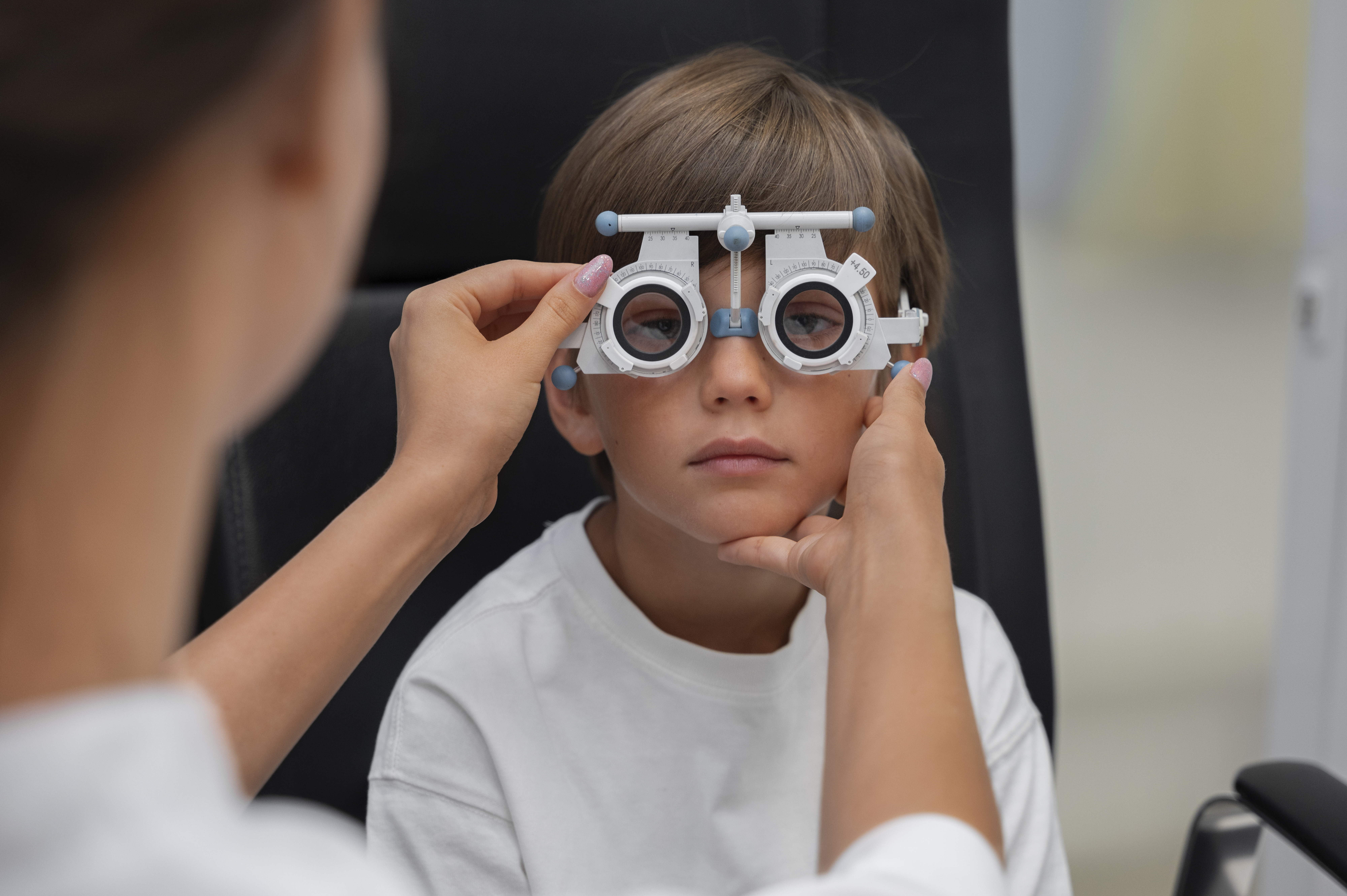
Kid’s Eye Health: When Should Children Get Their First Glasses or Contact Lenses?
Good vision plays a vital role in a child’s growth, learning, and overall development. From reading the board in class to playing sports, eyesight affects almost every aspect of a young person’s daily life. But many parents wonder—when is the right time for a child to get their first pair of glasses or even consider contact lenses? Understanding the signs and stages of visual development can help ensure children enjoy healthy, clear vision from the start. Understanding Early Eye DevelopmentA child’s visual system continues to develop throughout early childhood. Babies are born with blurry vision, but it improves rapidly during the first few years. Regular eye check-ups are important, as certain issues like lazy eye, crossed eyes, or nearsightedness can develop silently. Pediatricians typically check vision in infancy, but a comprehensive eye exam by an optometrist or ophthalmologist is recommended around the age of three. This is often the stage when early vision problems can be detected and corrected before they affect learning. Signs Your Child Might Need GlassesChildren don’t always realize they’re seeing poorly. Parents and teachers play a key role in spotting the signs. Frequent squinting, sitting too close to the TV, holding books very near to the face, or complaining of headaches and eye strain can be indicators of vision problems. A drop in school performance or lack of interest in reading may also be linked to undiagnosed eyesight issues. If any of these behaviors appear, it’s best to schedule an eye exam promptly. When to Introduce Contact LensesWhile glasses are often the first step, some children may express interest in contact lenses as they get older. There isn’t a strict age rule—readiness depends on maturity and hygiene habits. Many eye care professionals suggest that children aged 10 and above can safely manage contact lenses with proper guidance. Contacts can be beneficial for active kids involved in sports or those self-conscious about wearing glasses. However, it’s crucial that they understand lens care and the importance of cleanliness to prevent eye infections. Building Healthy Vision Habits EarlyWhether a child wears glasses or contacts, maintaining good eye health is essential. Encourage outdoor play to reduce the risk of myopia (nearsightedness) and limit screen time to prevent digital eye strain. Balanced nutrition rich in vitamin A, omega-3 fatty acids, and antioxidants supports strong vision. Regular eye exams—at least once every year—help track visual changes and keep prescriptions up to date. Every child’s vision journey is unique. Some may need glasses as early as preschool, while others won’t require correction until their teenage years. The key is proactive care—routine eye check-ups, attention to symptoms, and open communication with your eye doctor. Clear vision empowers children to learn, explore, and experience the world with confidence.

The Best Eyewear for Remote Work: Blue-Light Protection + Style Tips
In today’s digital world, working remotely has become the new normal. From endless video calls to long hours of screen time, our eyes are working harder than ever before. While productivity is key, protecting your vision and maintaining a stylish look are equally important. The right eyewear can make all the difference — combining comfort, clarity, and confidence throughout your workday. Spending long hours on digital devices exposes your eyes to blue light, which can cause digital eye strain, headaches, and blurred vision. This is where blue-light protection glasses come in. Designed with special lenses that filter harmful blue light, these glasses reduce eye fatigue and make screen time more comfortable. Whether you’re editing spreadsheets, designing presentations, or catching up on emails, blue-light lenses help your eyes stay relaxed even after hours of work. Comfort is another crucial factor for remote professionals. Lightweight frames, adjustable nose pads, and flexible temples ensure you can wear your glasses from morning till evening without irritation. At Eyemastr, we focus on eyewear that feels as good as it looks — so you can stay focused on your work, not your discomfort. Of course, remote work doesn’t mean compromising on style. Your eyewear is now part of your on-screen identity, reflecting your personality in every virtual meeting. Sleek metal frames exude professionalism, while transparent acetates give a modern and fresh vibe. If you prefer a bold look, geometric or oversized shapes make a confident statement without overpowering your face. Choosing eyewear that complements your face shape also enhances your on-camera appearance. Rectangular frames balance round faces, while round frames soften angular features. Earthy tones like brown, champagne, and olive green work beautifully with neutral outfits, while classic black or tortoise adds timeless charm. Blue-light protection is not just a trend — it’s a long-term investment in your eye health. Prolonged exposure to screens without proper protection can disrupt sleep cycles and cause lasting strain. Wearing the right lenses helps maintain natural sleep patterns and keeps your eyes fresh throughout the day. The best part? You don’t have to choose between function and fashion. Eyemastr’s collection of blue-light glasses blends advanced protection technology with contemporary designs suited for every face and profession. Whether you’re a creative professional, a manager leading online meetings, or a student attending virtual classes, our eyewear is made to support your lifestyle and elevate your look. Remote work may have blurred the lines between home and office, but your vision deserves clear boundaries. Protect it with eyewear that’s stylish, smart, and scientifically designed to care for your eyes. With Eyemastr, you can see clearly, work comfortably, and look effortlessly sharp — every day.

How to Choose Eco-Friendly Eyewear: Materials & Brands You Should Know
Fashion and sustainability are no longer separate worlds. In today’s conscious age, eco-friendly eyewear is redefining how we see style. More people are now choosing glasses and sunglasses that not only look good but also help protect the planet. From recycled frames to biodegradable lenses, the eyewear industry is showing that true style comes with responsibility. What Makes Eyewear Eco-Friendly Sustainable eyewear is designed to minimize environmental impact while maintaining high-quality craftsmanship. It’s not just about using green materials; it’s about ethical production, durability, and circular design. Brands that prioritize eco-friendly practices often use renewable resources, reduce toxic waste, and create packaging that can be recycled or reused. The goal is to deliver frames that last longer and leave a smaller carbon footprint. The Best Sustainable Materials Recycled acetate has become one of the most popular materials for eco eyewear. Unlike traditional acetate made from petroleum, recycled or bio-acetate uses plant-based fibers or old eyewear scraps, creating stylish frames with less waste. Bamboo is another favorite because it grows rapidly without pesticides, offering a lightweight and natural look. Some designers prefer reclaimed or responsibly sourced wood for its earthy texture and low environmental impact. Recycled metals such as aluminum and stainless steel bring strength, durability, and elegance while being infinitely recyclable. Bioplastics made from natural resources like castor seeds are gaining attention too, offering flexibility and biodegradability without compromising on design. Sustainable Eyewear Brands Worth Knowing A few names stand out when it comes to leading the change in sustainable eyewear. ECO by Modo has been a pioneer, using bio-based and recycled materials while planting a tree for every pair sold. Proof Eyewear is known for its handcrafted wooden frames and commitment to global community initiatives. Sea2see takes sustainability a step further by transforming ocean waste into stylish, high-quality frames. Pala Eyewear blends fashion with philanthropy, supporting eye-care projects in Africa. WearPanda uses sustainably sourced bamboo and donates to vision-related causes, proving that style and kindness can go hand in hand. Tips for Making the Right Choice When shopping for eco-friendly eyewear, look beyond aesthetics. Choose brands that are transparent about their sourcing and production processes. Opt for frames made with certified sustainable materials and timeless designs that won’t go out of style quickly. Consider brands that offer repair or recycling programs to extend the lifespan of your glasses. Even the packaging matters—minimal plastic and more biodegradable or recyclable materials make a big difference. The Future of Sustainable Eyewear The innovation in this space is just beginning. With advancements in material science, we can expect to see eyewear made from 3D-printed recycled waste or completely compostable components. As awareness grows, sustainable eyewear is set to become the new standard rather than a niche choice. The movement reflects a larger shift in how we think about consumption, waste, and responsibility. Choosing eco-friendly eyewear is more than a style decision—it’s a conscious act of care for the planet. Every frame you wear tells a story of innovation, compassion, and environmental respect. By supporting sustainable brands, you contribute to a future where fashion and responsibility coexist beautifully. At Eyemastr, we believe in designs that not only define your look but also help redefine our wo
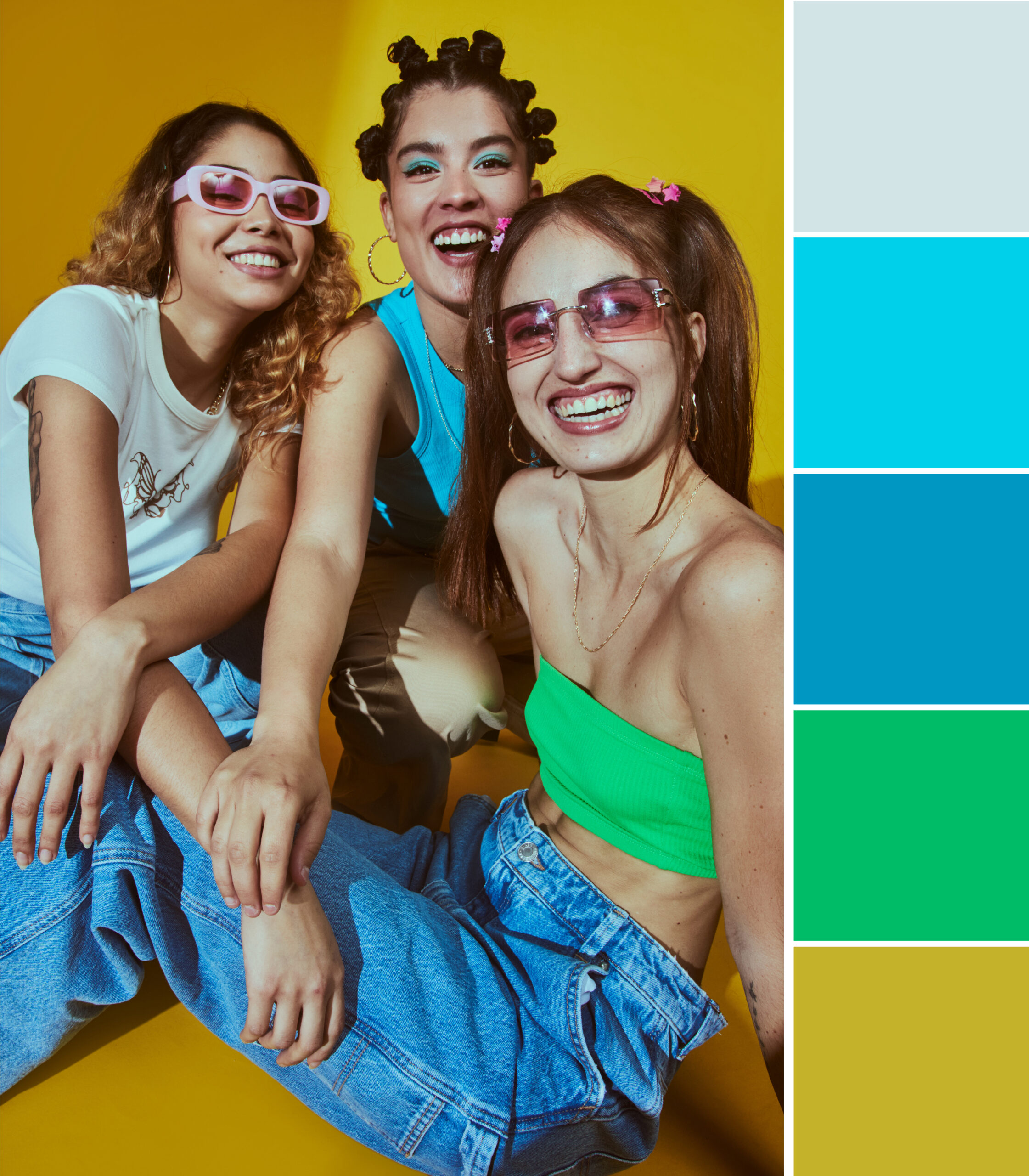
Fashion Forward: Latest Frame Shapes & Colors Trending in 2025
Eyewear has always been more than a vision aid—it’s a fashion statement, a reflection of personality, and an extension of lifestyle. As we step into 2025, eyewear trends are taking a bold and expressive turn. Designers are merging futuristic aesthetics with sustainable materials, creating frames that are as stylish as they are responsible. This year, geometric shapes are making a strong comeback. Angular frames with clean lines, hexagonal edges, and sharp contours are redefining modern sophistication. For those who prefer a softer touch, rounded and oval silhouettes continue to hold their charm, offering a vintage yet versatile appeal that suits almost every face type. Oversized frames remain a favorite, adding drama and confidence to any look, while slim and minimalist wireframes are appealing to those who love understated elegance. When it comes to colors, 2025 is all about personality and mood. Earthy tones like olive green, sand beige, and warm amber are dominating the eyewear scene, reflecting a connection to nature and calm sophistication. Transparent and translucent frames are gaining traction, giving wearers a fresh, modern vibe that feels light and effortless. On the other end of the spectrum, bold hues—like cobalt blue, cherry red, and deep violet—are turning heads, perfect for anyone wanting to make a confident style statement. Materials are also evolving to meet both fashion and function. Recycled acetate, bio-based plastics, and titanium blends are becoming the preferred choices for sustainable luxury. Brands are experimenting with matte finishes, gradient effects, and dual-tone color combinations, ensuring every frame tells a unique story. The eyewear trends of 2025 celebrate individuality. Whether you love minimalist styles or bold, avant-garde designs, there’s something for every personality. The key is to embrace frames that not only complement your features but also express your mood, lifestyle, and confidence. This year, your eyewear isn’t just an accessory—it’s your signature look.

Monsoon Eye Care: How to Keep Your Glasses Clear and Safe During Rainy Days
The monsoon season brings a refreshing change in the weather, washing away the summer heat and painting the world in shades of green. But for those who wear glasses, this beautiful season can also mean foggy lenses, smudges, and constant cleaning struggles. Taking a few simple precautions can help you enjoy the rains without compromising your vision or damaging your eyewear. When humidity levels rise, lenses tend to fog up quickly, making it hard to see clearly. This fog is caused by the condensation of warm, moist air on the cooler lens surface. The best way to prevent this is by using an anti-fog coating or lens spray that keeps moisture from clinging to the surface. Many modern lenses, like those available at Eyemastr, come with built-in anti-fog and water-repellent coatings that make it easier to see in unpredictable weather. Rainwater often contains dust and pollutants that can leave stains on your lenses if not cleaned properly. Instead of wiping your glasses with your shirt or a tissue, which can scratch the lens, always use a microfiber cloth. Keep your cleaning cloth dry in a small pouch or case to avoid dampness, as moisture can harbor bacteria that may irritate your eyes later. Carrying a protective hard case is another smart habit during monsoons. Whether you’re stepping out in a drizzle or caught in a heavy downpour, always remove your glasses before wiping the water off. Rubbing wet lenses can lead to scratches, especially if dirt particles are stuck to the surface. A gentle rinse with clean water followed by a soft wipe is the safest cleaning method. It’s also essential to be mindful of where you store your glasses. Avoid keeping them near windows, in damp bags, or on wet surfaces. Humidity can loosen the frame joints and cause corrosion over time, especially in metal frames. If your glasses do get soaked, dry them with a soft cloth and let them air out before storing them again. For those who drive or commute daily, consider switching to anti-reflective lenses during the monsoon. These reduce glare from headlights and wet roads, helping you see more clearly even in low visibility conditions. Pairing these with water-repellent coatings ensures that raindrops slide off your lenses quickly, maintaining clarity no matter how heavy the rain gets. Monsoon doesn’t have to be a season of inconvenience for eyewear users. With the right lens care and protection, you can keep your glasses clear, your eyes healthy, and your style intact. At Eyemastr, we believe that good vision deserves great care—rain or shine.

How Lens Coatings Can Transform Your Vision Experience
When most people think about glasses, their attention instantly goes to the frame — the shape, color, and how stylish it looks. But true visual comfort and clarity come from the lenses, and more specifically, from the coatings applied to them. Lens coatings are the unsung heroes that protect your eyes, enhance your vision, and make everyday life more comfortable The Invisible Shield for Clearer Vision Anti-glare or anti-reflective (AR) coating is one of the most transformative innovations in eyewear. It reduces unwanted reflections on both sides of your lenses, allowing more natural light to pass through. This results in sharper, clearer vision and less eye strain, especially when using digital screens or driving at night. For anyone spending long hours in front of computers or under bright indoor lights, AR coating can make a noticeable difference in comfort and performance. Protection from the Sun’s Hidden Danger Just like skin, your eyes are vulnerable to harmful ultraviolet (UV) rays. Continuous exposure can contribute to long-term issues like cataracts or macular degeneration. A UV-protective coating acts as an invisible sunscreen for your eyes, blocking 100% of these harmful rays. Whether you’re indoors near windows or outdoors in strong sunlight, UV-coated lenses ensure your vision stays safe and healthy all day long. Scratch Resistance for Everyday Durability Even the most careful eyewear users deal with accidental scratches. From cleaning lenses with rough cloths to placing glasses on uneven surfaces, small abrasions can build up over time. A scratch-resistant coating forms a durable protective layer that helps maintain lens clarity and extends their lifespan. This keeps your glasses looking newer for longer and preserves crystal-clear vision every day. Advanced Coatings for the Modern Lifestyle Today’s eyewear technology allows for multiple coatings on a single lens. You can combine anti-glare, UV protection, blue-light filtering, and even hydrophobic (water-repellent) layers to create an all-in-one vision solution. For people who move seamlessly between digital screens, outdoor spaces, and work environments, these high-performance coatings ensure total protection and clarity wherever you go. Redefining Vision with Eyemastr Choosing the right lens coating isn’t just about optics — it’s about enhancing the way you experience the world. At Eyemastr, we believe eyewear should go beyond style. Our lenses are designed with advanced coatings that protect, perform, and empower your vision every day. Explore Eyemastr’s premium coated lenses and discover how clarity and comfort can truly transform your visual experience.
Understanding Your Prescription: What Does Each Number Mean?
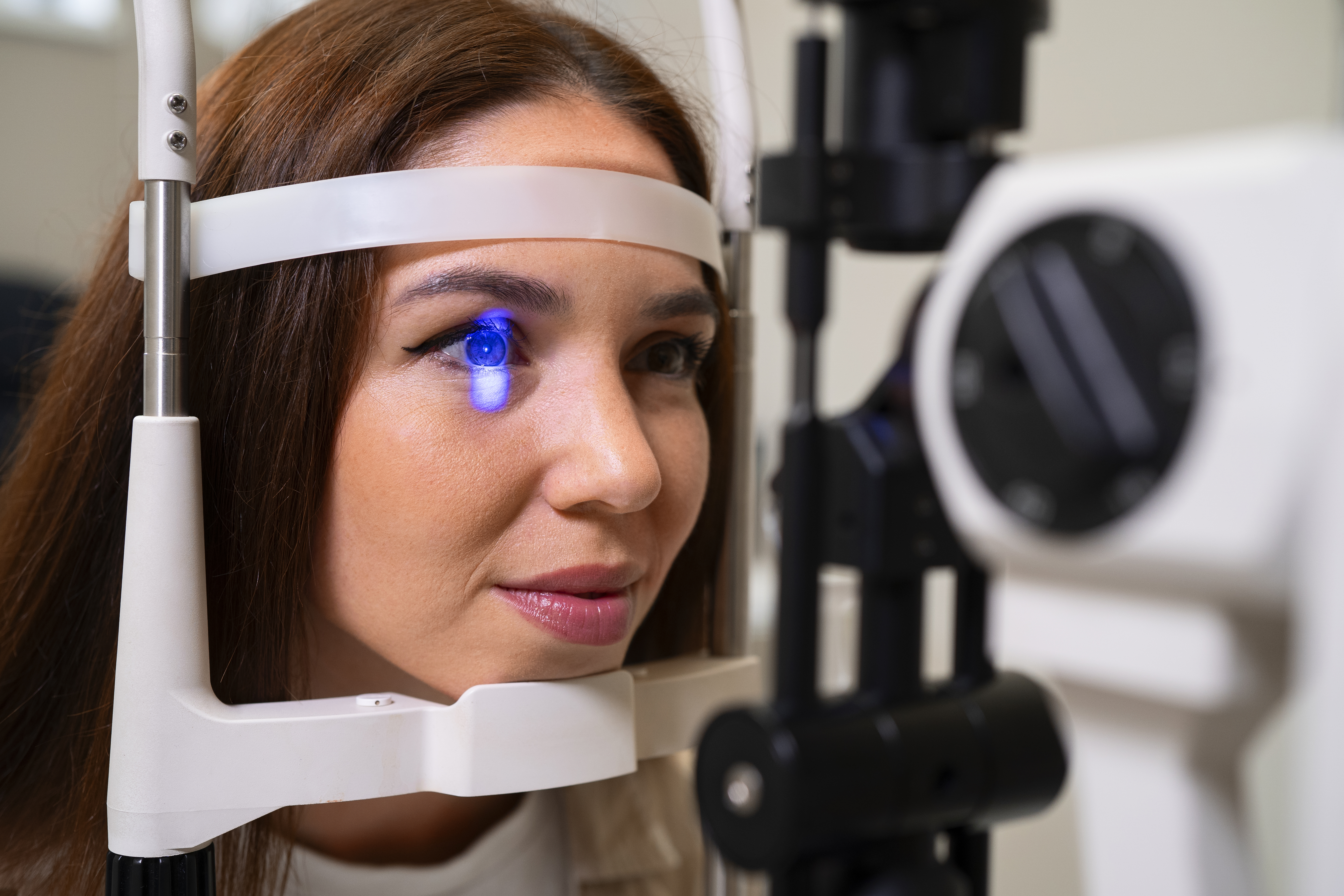
If you’ve ever glanced at your eye prescription and felt completely lost among all the numbers, symbols, and abbreviations, you’re not alone. Most people walk out of an eye exam with a piece of paper that looks like a math equation — full of mysterious codes like OD, OS, SPH, and CYL. But each of these actually tells a very specific story about your vision and what kind of correction your eyes need. OD and OS – Which Eye Is Which Your prescription will usually have two rows labeled OD and OS. These stand for Latin terms: Oculus Dexter (right eye) and Oculus Sinister (left eye). Sometimes you’ll also see OU, meaning both eyes. This helps your optometrist or eyewear provider know which correction goes where, as each eye often has different needs. SPH – Spherical Power The SPH or Sphere value shows the degree of nearsightedness or farsightedness. A minus sign (–) before the number means you’re nearsighted and have trouble seeing things far away. A plus sign (+) means you’re farsighted and struggle with nearby vision. The higher the number, the stronger your prescription. CYL – Cylinder Power If you have astigmatism, you’ll notice a CYL number. This measures how much your cornea or lens is shaped more like a football than a perfect sphere. It affects how light focuses on your retina, causing blurred or distorted vision. The CYL number indicates how much correction your lenses need to fix this uneven curvature. Axis – Direction of Astigmatism Right next to CYL, you’ll see the Axis value — a number between 0 and 180. This shows the orientation of your astigmatism, or the exact direction in which the lens must correct it. Think of it as a compass guiding your glasses to bend light at just the right angle for clear vision. ADD – Reading or Bifocal Power For people who need help seeing up close — especially those over 40 — there’s usually an ADD value. This stands for “addition” and represents the extra magnifying power used for reading or close work. You’ll see this number in prescriptions for bifocals or progressive lenses. PD – Pupillary Distance Though not always written on every prescription, PD (Pupillary Distance) is essential for making your glasses. It measures the space between your pupils in millimeters, ensuring that the optical center of each lens aligns perfectly with your eyes for accurate focus and comfort. Putting It All Together When you understand what each number means, your eye prescription becomes less intimidating and more like a personal vision map. Every value helps your optometrist customize lenses that bring the world into perfect focus. If you’re ever unsure about your prescription, don’t hesitate to ask your eye doctor to explain it — understanding it not only helps you make better eyewear choices but also gives you a clearer picture of your own eye health.
Annual Eye Exams for Diabetes Care
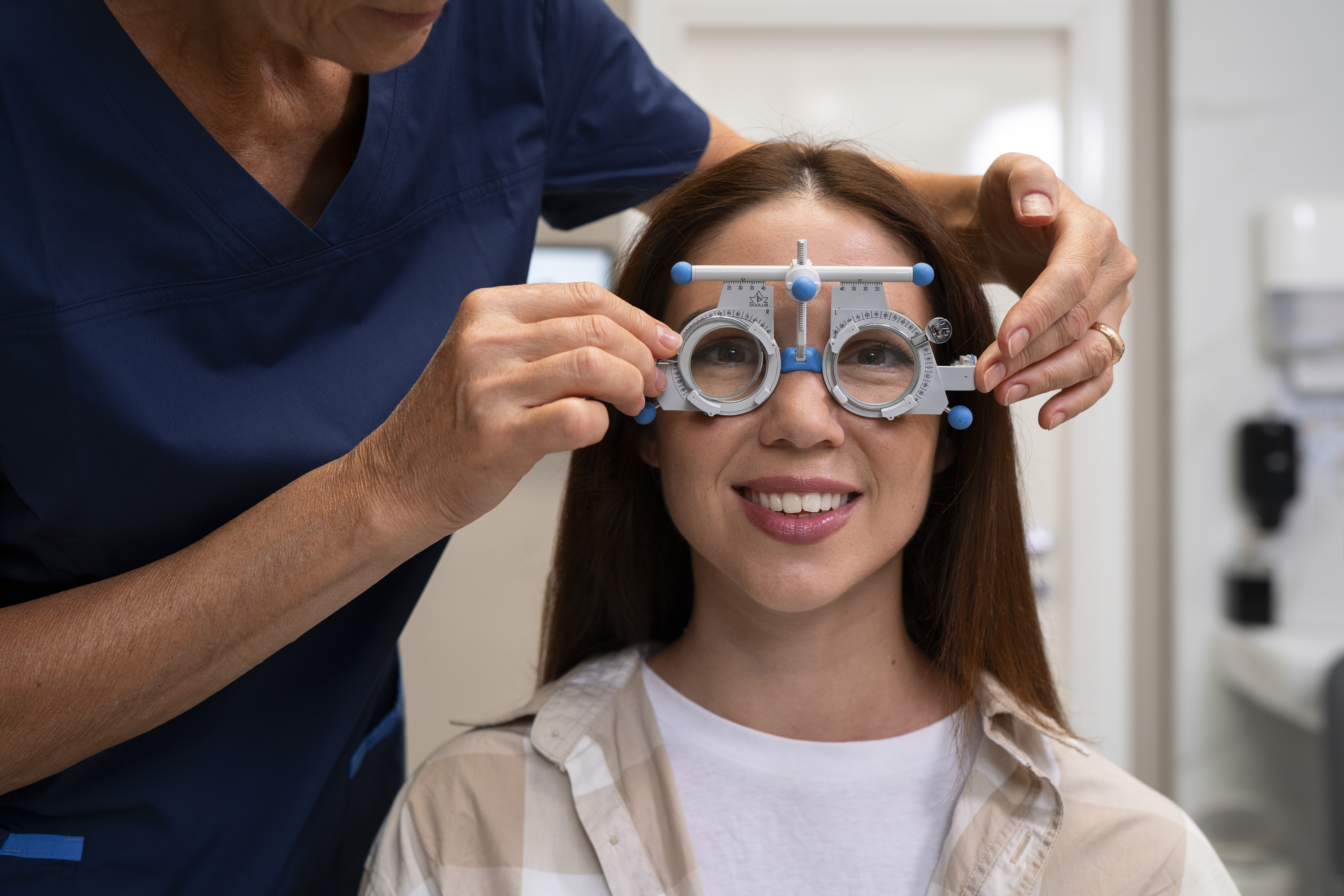
Diabetes doesn’t just affect your blood sugar it can also silently harm your eyes. In fact, diabetes is one of the leading causes of vision loss among adults worldwide. The challenge? Many diabetes-related eye problems develop without noticeable symptoms in the early stages. That’s why annual eye exams are a must. With timely check-ups, you can catch issues early and protect your sight for the long term. Why Diabetes Increases the Risk of Eye Problems Over time, high blood sugar can damage the tiny blood vessels in your eyes, especially in the retina. This may lead to serious conditions like: The concerning part is that these problems often go unnoticed until they’re advanced. Skipping regular check-ups may put your vision at serious risk. Benefits of Annual Eye Exams A yearly eye exam does much more than check your glasses prescription. For those with diabetes, it’s a crucial tool for prevention and overall health monitoring: 1. Early Detection Saves Vision Eye diseases like diabetic retinopathy progress in stages. When caught early, treatments such as laser therapy or eye injections can stop or slow down damage. 2. Preventing Permanent Vision Loss Routine screenings ensure timely treatment, reducing the risk of irreversible blindness. 3. A Window to Your Overall Health Your eyes often reflect what’s happening in your body. Retinal changes may also signal potential issues with your kidneys, heart, or circulation. 4. Keeping Your Vision Clear Diabetes can cause frequent changes in eyesight due to fluctuating sugar levels. Annual exams help keep your prescription accurate so you see clearly every day. What to Expect in a Diabetic Eye Exam A comprehensive diabetic eye exam goes beyond a standard vision test. It may include: These tests are painless, quick, and can make a life-changing difference. How Often Should You Get Eye Exams? Depending on your condition, your doctor may recommend more frequent visits. Your Action Plan If you live with diabetes: Take Charge of Your Vision with Eyemastr At Eyemastr, we believe your eyes deserve the best care. Regular eye exams are not just about checking vision they’re about preserving your future. Don’t wait for symptoms to show. A simple annual check-up can help you stay ahead of diabetes-related eye problems and keep your vision clear for years to come. Book your next eye exam with Eyemastr and safeguard your sight today. FOLLOW US: INSTAGRAM, LINKEDIN
Digital Eye Strain: Protecting Vision from Screens
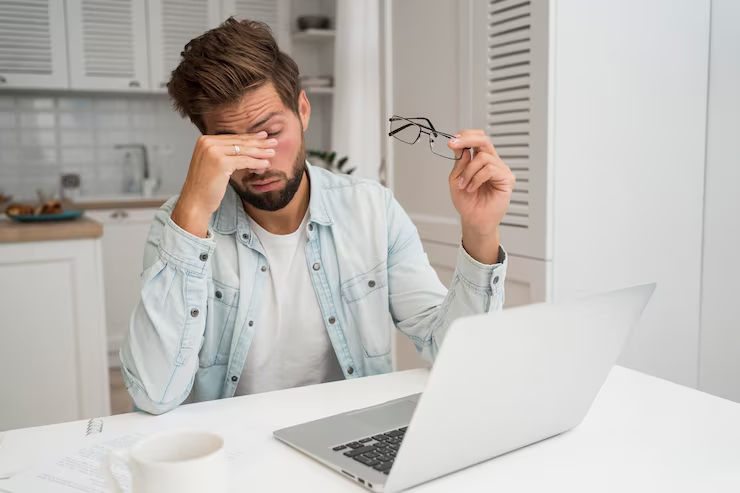
In today’s digital-first world, screens are everywhere from laptops at work to smartphones in our hands and tablets in our homes. While technology keeps us connected and productive, it also brings new challenges to our eye health. At Eyemastr, we’re seeing more people report discomfort linked to extended screen use a reminder that while digital devices make life easier, they also place growing strain on our vision. What is Digital Eye Strain? Prolonged use of digital devices can lead to Digital Eye Strain (DES), also known as Computer Vision Syndrome (CVS). This is not a single condition but a group of vision-related issues caused by excessive screen exposure. Common symptoms include: And it’s not just adults — children, too, are spending more time on digital devices due to online learning and gaming, making them vulnerable to the same strain. Why Do Screens Affect Our Eyes? Several factors contribute to digital eye strain: 1. Reduced Blink Rate When focusing on screens, our blink rate drops by nearly 50%, which can lead to dryness, irritation, and discomfort. 2. Blue Light Exposure Digital screens emit blue light, which penetrates deep into the eye. Prolonged exposure may contribute to retinal stress and also disrupt natural sleep cycles by reducing melatonin levels. 3. Constant Close-Up Viewing Holding devices close forces the eyes to work harder, increasing the risk of accommodative stress and fatigue over time. 4. Improper Lighting and Glare Using screens in poorly lit environments or facing glare makes the eyes strain more, intensifying discomfort. Long-Term Risks of Digital Eye Strain While short-term symptoms usually ease with rest, chronic screen exposure can have more serious implications: How to Protect Your Eyes from Digital Devices You don’t need to give up screens to protect your vision — small, mindful habits go a long way: When to Seek Professional Help If you experience persistent headaches, blurred vision, eye pain, or difficulty focusing, it’s time to consult an eye specialist. These symptoms may indicate digital eye strain or an underlying vision condition that needs attention. Prioritize Your Eye Health Digital devices are here to stay, but your eye health doesn’t have to suffer. By practicing healthy screen habits and scheduling regular eye check-ups, you can protect your vision in a screen-heavy world. At Eyemastr, we are committed to helping you see clearly and comfortably — whether it’s through advanced eyewear solutions, protective lenses, or personalized eye care advice. Take the first step towards healthier vision. Explore our eyewear collection designed to reduce digital eye strain. FOLLOW US: INSTAGRAM, LINKEDIN
Multifocal Lenses in India | Eyemastr
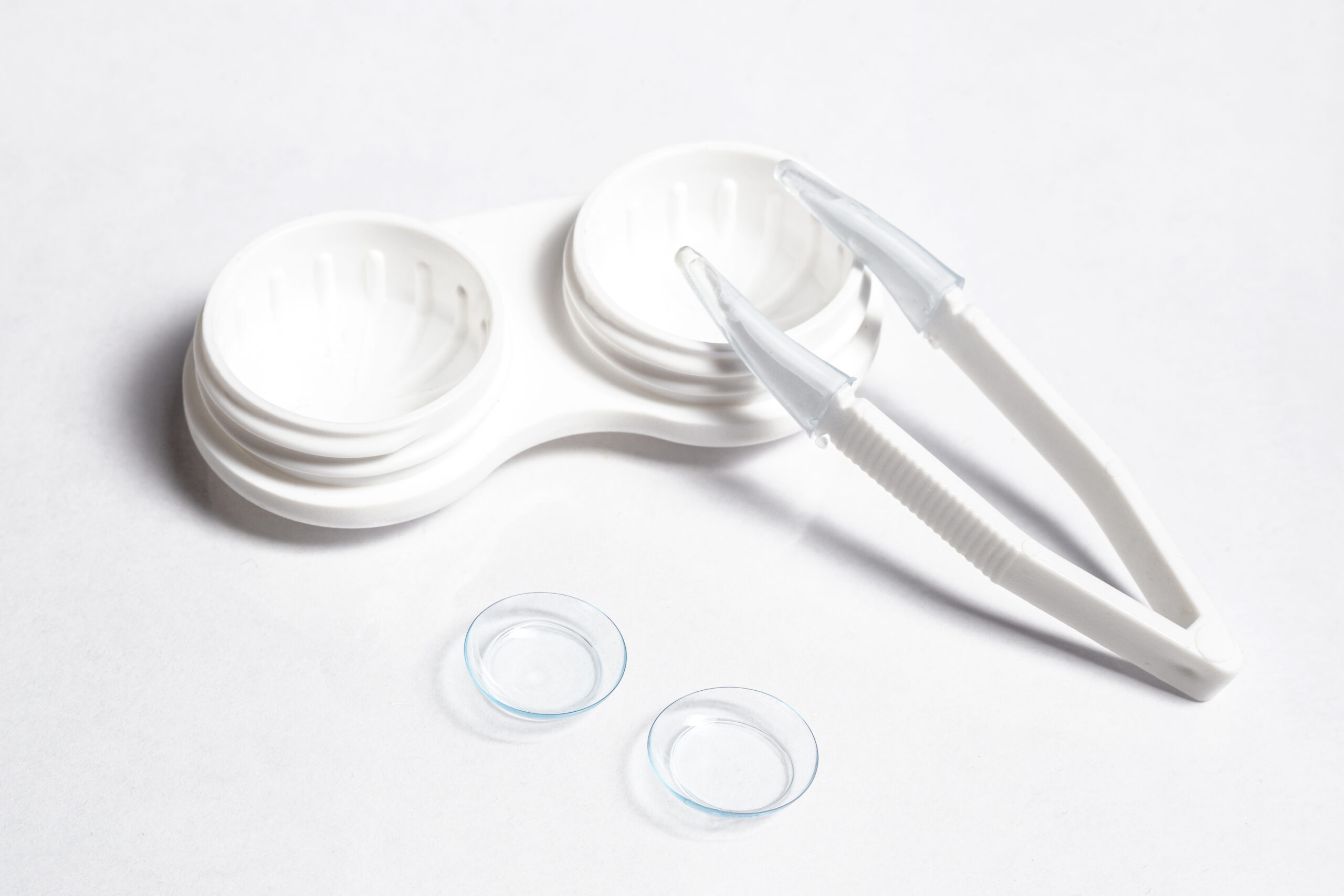
As we age, it’s natural to notice changes in our vision especially when focusing on nearby objects. This common condition, called presbyopia, often makes tasks like reading, using a phone, or even working on a computer more challenging. That’s where multifocal lenses step in. Designed to provide clear vision at near, intermediate, and far distances in a single lens, they remove the hassle of switching between multiple pairs of glasses. With the right pair, everything from reading a book to driving at night becomes smoother and more comfortable. In this guide, we’ll explore what multifocal lenses are, the different types available, how they work, and tips to adapt quickly. What Are Multifocal Lenses? Unlike single-vision lenses that correct only one focal point, multifocal lenses combine multiple prescriptions in a single lens. This allows users to see clearly at varying distances—ideal for anyone managing presbyopia. Types of Multifocal Lenses 1. Bifocal Lenses 2. Trifocal Lenses 3. Progressive Lenses How Do Multifocal Lenses Work? Multifocal lenses are carefully engineered to provide different focal points within one lens. Depending on the design: This ensures you can easily switch from reading a text message to driving on the highway—all without changing glasses. Adjusting to Multifocal Lenses It’s normal to experience a short adaptation period when wearing multifocal lenses for the first time. Some users may notice mild distortions or a “swim effect,” but this improves with consistent use. Tips to adapt quickly: If discomfort continues, an optometrist can fine-tune your prescription or suggest alternatives. Benefits of Multifocal Lenses Multifocal lenses are more than just eyewear—they’re a lifestyle upgrade. With the right pair, you can enjoy seamless vision, convenience, and a modern aesthetic without juggling multiple glasses. At Eyemastr, we believe your eyewear should match both your vision needs and your style. If you’re exploring multifocal lenses in India, consult with an eye care professional to find the right fit for you—and experience clarity at every distance. FOLLOW US: INSTAGRAM, LINKEDIN

Protecting Children from Digital Eye Strain
In today’s digital-first world, children are spending more time than ever in front of screens. From tablets and smartphones to online learning platforms and gaming, digital devices have become part of everyday life even for kids as young as two or three. While technology has its benefits in education and entertainment, prolonged screen time can take a toll on children’s eyes, leading to digital eye strain. At Eyemastr, we’re committed to helping parents protect their child’s vision with practical, science-backed strategies. How Digital Eye Strain Affects Kids Children’s eyes are still developing, which makes them especially vulnerable to digital overexposure. Too much screen time can lead to: If left unchecked, these symptoms can interfere with schoolwork, play, and even sleep quality. The Growing Reality of Screen Time Recent studies highlight just how much device use has increased: This dramatic rise in screen time has led eye doctors to report a significant increase in cases of digital eye strain among children. ALSO SEE: How Often to Change Glasses | Eyemastr Guide 6 Ways to Protect Your Child’s Eyes from Digital Eye Strain Here are expert-recommended tips you can put into practice today: 1. Set Screen Time Limits Children rely on parents to set healthy boundaries. The U.S. Department of Health recommends: 2. Teach the 20-20-20 Rule Every 20 minutes, encourage your child to look at something 20 feet away for at least 20 seconds. This simple habit helps relax eye muscles and reduces strain. 3. Encourage Frequent Blinking Staring at screens lowers blink rate, leading to dry, irritated eyes. Remind your child to blink often to keep their eyes hydrated. 4. Keep a Healthy Viewing Distance Screens should be 18–24 inches away from your child’s eyes. Sitting too close can cause unnecessary strain. 5. Adjust Device Settings 6. Promote Proper Posture Set up your child’s workstation with: When to See an Eye Doctor If your child complains of headaches, blurred vision, or sore eyes after screen time, it’s time to book an eye exam. Sometimes, digital eye strain can be resolved with simple lifestyle adjustments. In other cases, vision therapy may be recommended to address underlying functional vision problems. At Eyemastr, we believe that early eye care is key to lifelong healthy vision. If you notice any of the signs of digital eye strain, don’t wait schedule an exam with a trusted eye care professional. FOLLOW US: INSTAGRAM, LINKEDIN

Right Reading Glasses Guide
Reading glasses are more than just a tool to sharpen your vision—they’re also part of your everyday style and comfort. With so many frame options, lens types, and coatings available, the process can feel a little overwhelming. At Eyemastr, we believe choosing the right pair should be simple, practical, and tailored to your lifestyle. Here’s a guide to help you select the perfect reading glasses: 1. Custom vs. Ready-Made Glasses Eyemastr tip: Custom readers are worth the investment if you want long-term comfort and accuracy. 2. Pick the Right Lens Design Reading glass lenses come in several styles depending on how you use them: Your eye doctor can recommend which option matches your daily activities. 3. Lens Shape & Size Matter 4. Frame Choices: Style Meets Strength Above all, make sure your frames fit your face, nose bridge, and ears comfortably. 5. Lens Materials That Work for You If you’re outdoors often, durability and UV protection should be a priority. 6. Don’t Skip the Coatings Enhancements can extend the life and performance of your glasses: These add-ons may increase cost but are a smart investment in comfort and protection. The right reading glasses don’t just help you see better they enhance your confidence, comfort, and style. At Eyemastr, we believe every pair should fit seamlessly into your life, whether you’re reading a book, working at your desk, or scrolling through your phone. Explore our curated reading eyewear collection today and find the pair that brings clarity with style. FOLLOW US: INSTAGRAM, LINKEDIN
10 Tips to Get Used to Progressive Lenses | Eyemastr
Progressive lenses are a game-changer for anyone dealing with presbyopia or age-related vision changes. Instead of juggling between multiple pairs of glasses, progressives allow you to see clearly at near, intermediate, and far distances—all in one pair. But here’s the truth: adjusting to progressive lenses takes a little patience. At Eyemastr, we’ve helped countless professionals and style-seekers transition with ease. To make your journey smoother, here are 10 proven tips to get used to progressive lenses. 1. Choose a Wider Frame The frame you pick makes a big difference. A wider frame offers more space for the gradual shift between distance, intermediate, and near vision, making the transition easier. 2. Keep Your Lenses Clean Even a tiny smudge can cause distraction. Regular cleaning keeps your vision sharp and helps your eyes adapt faster. 3. Start Indoors First Begin in familiar surroundings. Wearing your progressives indoors allows you to notice distortions safely while your brain adjusts to the new visual experience. 4. Be Extra Careful with Stairs Since progressive lenses can slightly distort peripheral vision, take your time with stairs. Moving your head instead of relying only on peripheral sight can prevent slips. 5. Take Your Time to Adjust Adapting to progressive lenses is like learning a new skill—it takes practice. Activities like reading, cooking, or watching TV at different distances help train your eyes. 6. Stay Consistent Switching between old glasses and progressives slows down adaptation. Commit to your new lenses for the best results. 7. Wear Them as Much as Possible The more you wear them, the faster you’ll adjust. Whether you’re working, relaxing, or gardening, keep your progressives on. 8. Give Your Eyes Breaks If you feel strain, it’s okay to take short breaks. Resting your eyes makes it easier to stay consistent without discomfort. 9. Try Different Environments Gradually After mastering indoor use, move outdoors, into new lighting, or even while driving. Progressing through environments step by step helps build confidence. 10. Stay Connected with Your Optometrist Your journey doesn’t end when you pick up your glasses. If something feels off, don’t hesitate to check in with your eye care provider—they can fine-tune your lenses or give tips for a smoother adjustment. At Eyemastr, we design eyewear that blends precision optics with effortless style, so your transition is as smooth as your vision. Ready to experience clarity at every distance?Explore our progressive collection today at www.eyemastr.com. FOLLOW US: INSTAGRAM, LINKEDIN
PRK vs LASIK: Differences, Recovery & Costs
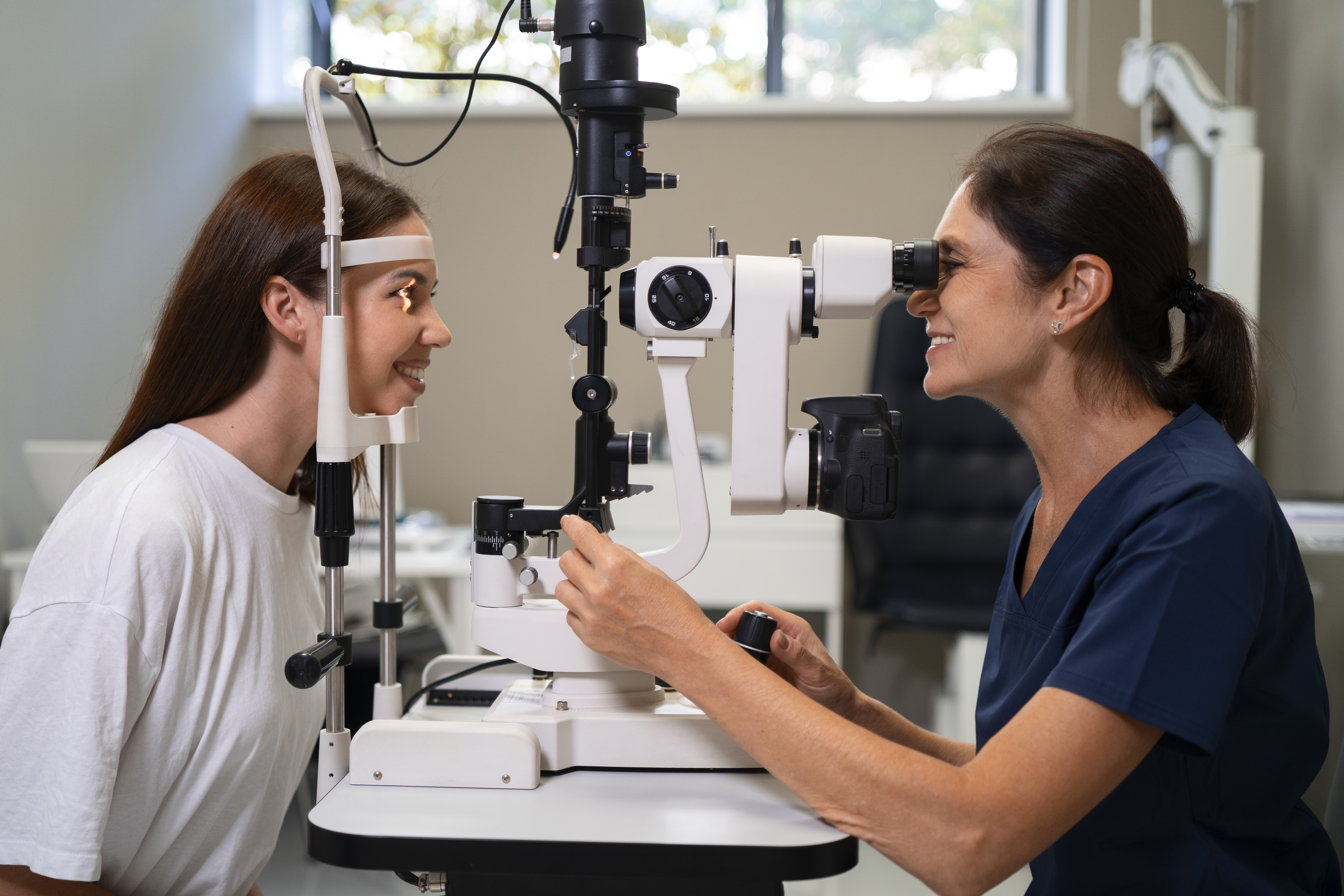
When people think of laser eye surgery, the first procedure that usually comes to mind is LASIK. But did you know that another vision correction surgery—Photorefractive Keratectomy (PRK)—actually came before LASIK? Both PRK and LASIK are effective treatments for refractive vision issues such as: While both surgeries reshape the cornea to improve vision, the way they’re performed—and the recovery process—differs. For some patients, PRK may be the safer alternative when LASIK isn’t recommended. Let’s break down the differences, benefits, and considerations of LASIK vs PRK. What Happens During PRK? PRK surgery works by removing the thin, outer layer of the cornea (epithelium) before reshaping the tissue underneath with a precise excimer laser. Here’s the step-by-step process: What Happens During LASIK? LASIK uses a slightly different approach: instead of removing the epithelium, the surgeon creates a small flap in it, lifts it, and reshapes the cornea beneath. Step-by-step process: Recovery: PRK vs LASIK Recovery is where the biggest differences show up between these two procedures. PRK Recovery LASIK Recovery Risks and Side Effects Both procedures are considered safe, but as with any surgery, there are potential risks. Possible side effects include: Your surgeon will evaluate your eyes thoroughly to minimize these risks and determine which option is safer for you. Who Is a Good Candidate? You may qualify for LASIK if: PRK may be recommended if: Cost: PRK vs LASIK Costs can vary, but here’s the general difference: While most insurance plans don’t cover elective vision correction surgery, you may be able to use HSA or FSA funds. Some clinics also offer financing options to make the investment more manageable. Pros and Cons at a Glance Procedure Pros Cons PRK Suitable for patients with thin corneas, no flap complications, long-term stability Longer recovery, initial discomfort, higher infection risk in first few days LASIK Quick recovery, less discomfort, vision improves almost immediately Not suitable for thin corneas, flap complications possible, higher chance of dry eyes PRK After LASIK In rare cases, patients may need an enhancement procedure years after LASIK. Performing another LASIK surgery might not be safe, but PRK can often be performed as a secondary procedure. Which One Is Right for You? Ultimately, the choice between LASIK and PRK depends on your eye health, lifestyle, and goals. Both surgeries deliver excellent long-term results, but the best option should always be guided by a professional evaluation. At Eyemastr, we believe your vision is worth the best care and technology available. Always consult with a trusted eye specialist before making your decision. FOLLOW US: INSTAGRAM, LINKEDIN

Best Glasses for Outdoor Lifestyle
Life outdoors is full of energy, movement, and unforgettable views. Whether you’re hiking mountain trails, biking through the city, or spending weekends by the water, the right pair of glasses can make every moment clearer, safer, and more comfortable. At Eyemastr, we know your eyewear should do more than just correct your vision it should match your lifestyle. Here’s a quick guide to finding the best glasses for your next adventure. 1. Start with Your Prescription Your prescription is the foundation. Frames and lenses should not only suit your style but also match your vision needs. Always check that the frame you love can support your prescription to avoid disappointment later. 2. Choose the Right Frame Material Durability matters outdoors. Titanium frames are lightweight, strong, and resistant to bending or corrosion — perfect for an active lifestyle. Memory titanium even bounces back into shape, so you don’t have to worry if your frames take a tumble. 3. Find the Best Fit and Shape Your glasses should work with you, not against you. Rimless or larger frames can maximize your view without blocking your peripheral vision. For sports or high-motion activities, look for wraparound frames that stay secure and protect your eyes from wind, debris, and even bugs. 4. Pick Colors That Work Outdoors Earth tones like greens, browns, and neutrals blend naturally into outdoor environments. Clear frames are stylish but can be harder to spot if dropped. Bright shades may look fun but can attract unwanted attention from insects — something to keep in mind for hikes and camping. 5. Prioritize Comfort and Grip If you’re sweating on a bike ride or climbing uphill, you’ll want frames that stay in place. Adjustable nose pads and a secure fit behind the ears ensure your glasses won’t slip when you’re on the move. 6. Don’t Forget Lens Enhancements The right lenses can make a world of difference outdoors: Your Next Adventure Starts Here The outdoors is calling don’t let your glasses hold you back. With the right frames, fit, and lenses, you can move with confidence and enjoy every view in sharp, comfortable clarity. Explore Eyemastr’s collection to find eyewear built for your lifestyle. Whether it’s a weekend hike or daily commute, your perfect pair is waiting. https://www.instagram.com/p/DOxbF_CDsiH/FOLLOW US: INSTAGRAM, LINKDIN
How Often to Change Glasses | Eyemastr Guide
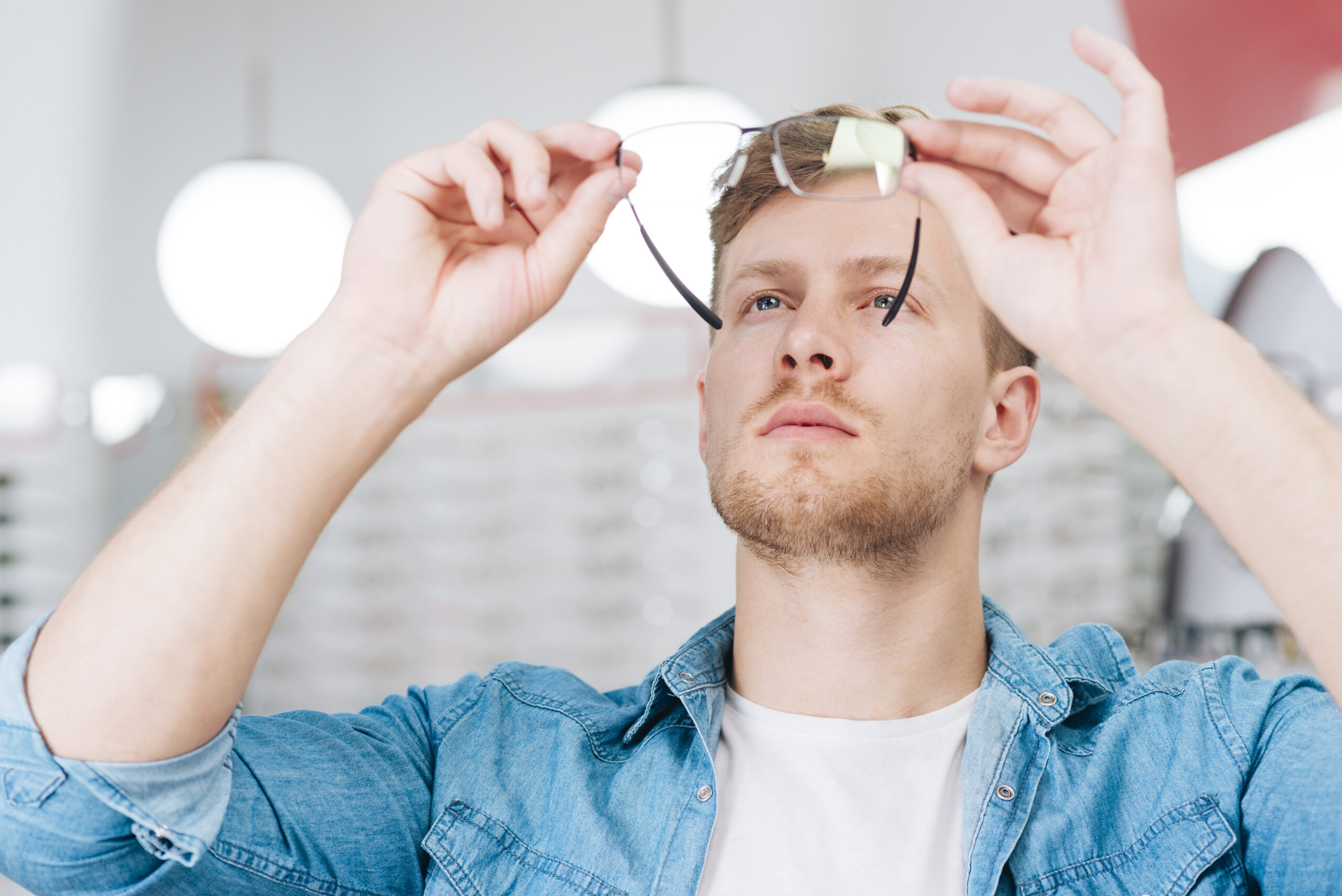
When it comes to taking care of your eyes, regular check-ups and keeping your prescription up to date are just as important as choosing the right pair of glasses. But one question many people have is: how often should you really replace your glasses? The answer isn’t the same for everyone. Your prescription, eye health, lifestyle, and even your personal style all play a role. On average, eye doctors recommend an exam every 1–2 years to make sure your lenses are still working for you. But there are signs you can watch out for that may mean it’s time for an update sooner. Why Updating Your Glasses Matters Wearing glasses that don’t match your current vision can cause blurred sight, eye strain, and even headaches. Old or damaged lenses may also make everyday tasks—like reading, driving, or working on screens—more challenging. Beyond health, glasses are part of your personal style. Frames wear out over time, and technology in lens coatings and designs continues to improve. Updating your glasses means you’ll not only see clearly but also look and feel your best. Signs It’s Time for New Glasses Even if it hasn’t been two years, here are key signs you should consider replacing your glasses: The Average Lifespan of Glasses Most glasses last 2–3 years, but that can vary. Lenses and frames are durable, yet daily wear, prescription changes, and lifestyle factors can shorten their lifespan. That’s why regular eye exams are essential—not just to check your prescription, but also to keep your eye health in check. FAQs About Changing Glasses Do I really need new glasses every two years?Not always. It depends on your vision needs and comfort level. Some people may go longer, while others need updates sooner. Can glasses lose effectiveness?The glasses themselves don’t—but your eyes and prescription can change. What if my vision changes every year?Some people’s eyesight shifts faster than others. If this happens to you, it’s important to keep up with regular exams and lens updates. How can I make my glasses last longer?Handle them with care, clean them with proper solutions, and always store them in a protective case. Your glasses should do more than correct your vision—they should keep you comfortable and reflect your style. If you’re noticing blurred vision, headaches, or simply feel like your frames no longer fit your personality, it may be time for a change. At Eyemastr, we believe updating your glasses isn’t just about clearer vision—it’s about confidence, comfort, and keeping up with you. ✨ Explore Eyemastr frames today and find the pair that’s right for you. FOLLOW US: INSTAGRAM, LINKEDIN