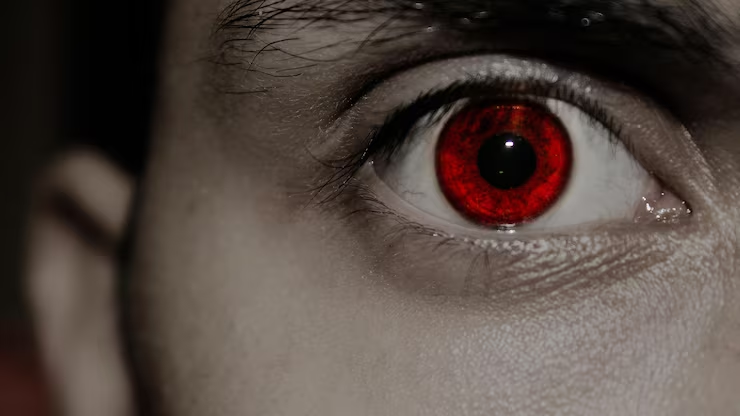
Red eyes are one of the most common eye concerns people experience, yet the cause behind them can vary from harmless irritation to serious medical conditions. When the white part of the eye turns red, it indicates inflammation or dilation of tiny blood vessels on the eye’s surface. Many individuals feel anxious seeing a sudden change in eye appearance, especially when redness is accompanied by pain, itching, or blurred vision. Understanding what triggers red eyes is crucial for adopting the right treatment and preventing further damage. Although red eyes are often temporary, ignoring them for too long may worsen the condition or hide an underlying eye disease.
Environmental Irritation and Allergies
Exposure to everyday irritants is one of the most common reasons behind red eyes. Dust, smoke, pollution, strong fragrances, and chlorine in swimming pools can easily disturb the eye surface, leading to redness and watering. Seasonal allergies also play a major role, especially when pollen counts are high. People allergic to pet dander and mold may experience eye redness throughout the year. When the eye comes into contact with these triggers, the immune system responds with inflammation, causing visible redness. Taking proper precautions such as avoiding irritants and using lubricating drops often helps restore comfort and clarity.
Dry Eyes and Digital Screen Fatigue

In today’s digital age, excessive screen exposure causes millions of people to suffer from dry eye syndrome. Staring at screens reduces the blinking rate, preventing natural lubrication and leading to dryness, irritation, and redness. Air-conditioned rooms and long hours of reading intensify the issue even more. Dry eyes are not just uncomfortable; they can drastically affect productivity and overall eye health. Individuals who spend extended hours on mobile phones, laptops, or gaming should consciously take breaks, blink more often, and use hydrating eye drops to support moisture balance and prevent persistent redness.
Infections of the Eye
Eye infections such as conjunctivitis (commonly known as pink eye), keratitis, and blepharitis can also cause noticeable redness. Conjunctivitis is often triggered by bacteria, viruses, or allergies and spreads easily through physical contact and shared personal items. Keratitis usually results from injury, improper contact lens hygiene, or fungal exposure, while blepharitis is related to inflammation of the eyelids. Infection-related redness is typically accompanied by symptoms like sensitivity to light, discharge, or blurred vision. Delaying professional treatment in such cases may worsen the infection and threaten long-term eye health.
Contact Lens Misuse
Wearing contact lenses for extended hours or failing to clean them properly can irritate and inflame the eyes. Many wearers also sleep with lenses on, restricting oxygen flow and allowing bacteria to accumulate. This can lead to red eyes, discomfort, and in serious cases, corneal infections. Contact lens wearers should maintain proper hygiene, replace lenses on time, and give their eyes regular breaks. Switching to high-quality lenses and using sterile solutions also helps reduce irritation and the risk of redness.
Underlying Medical Conditions
Certain medical conditions contribute to chronic or recurring red eyes. Glaucoma, uveitis, and ocular hypertension can trigger inflammation and damage internal eye structures. Autoimmune diseases such as rheumatoid arthritis and lupus may affect the eyes as well. Redness associated with sharp pain, sudden vision changes, or nausea should never be ignored, as it may indicate an eye emergency. Identifying the cause early helps prevent complications and ensures that the right treatment is provided.
When Should You See an Eye Specialist?
Occasional red eyes caused by fatigue or environmental factors typically improve with rest, hydration, and proper eye care. However, persistent redness lasting more than a few days, especially when accompanied by discomfort, discharge, or blurred vision, requires professional evaluation. Early diagnosis helps protect vision and reduces the risk of long-term damage. Eye specialists can identify whether the redness is due to dryness, infection, allergies, or a more serious eye condition and offer targeted treatment for fast relief.
Red eyes are a signal that your eyes are under stress, irritated, or affected by an underlying condition. Paying attention to the symptoms and understanding common causes helps you choose the right care approach before the issue escalates. Maintaining good eye hygiene, reducing screen fatigue, avoiding irritants, and reaching out to an eye-care professional when needed are the best steps to preserve eye comfort and long-term vision health. Healthy eyes play a vital role in daily life, and addressing redness quickly ensures that your eyes remain clear, refreshed, and protected.
If you are experiencing persistent redness, discomfort, or uncertainty about your eye health, Eyemastr is here to help you get back to clarity and comfort. Our goal is to support your vision with trusted eye-care guidance, helpful resources, and awareness about common eye problems. Your eyes deserve the right care, and Eyemastr is committed to making eye wellness simple, accessible, and stress-free. Explore more eye-care insights and take a step toward healthier vision with Eyemastr.