What Are Eye Allergies?
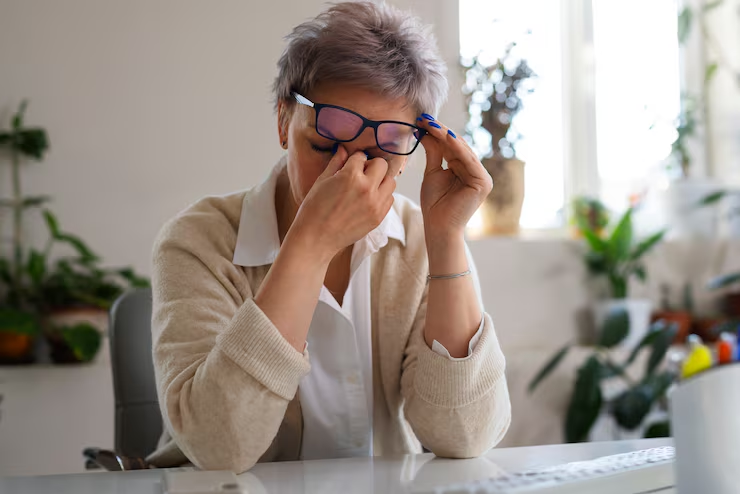
Eye allergies, also known as allergic conjunctivitis, occur when your eyes react to certain irritants or allergens in the environment. These allergens are usually harmless for most people, but if you are sensitive to them, your immune system overreacts and releases histamines. This leads to redness, itching, swelling, and watery eyes. Common allergens that trigger eye allergies include pollen, dust mites, mold spores, pet dander, and smoke. People often confuse eye allergies with eye infections, but allergies are not contagious and usually flare up when you come into contact with specific triggers.
Common Symptoms of Eye Allergies
Eye allergy symptoms can vary from mild discomfort to severe irritation. The most common symptom is persistent itching, which can be so strong that people tend to rub their eyes frequently. Along with this, redness occurs due to the inflammation of the conjunctiva. Many people also experience watery or teary eyes because the tear glands produce more fluid to flush out allergens. Swollen eyelids, burning sensation, light sensitivity, and a gritty feeling in the eyes are also common. If your symptoms increase during certain seasons, you may have seasonal allergies, while year-round symptoms often indicate indoor allergies.
What Causes Eye Allergies?
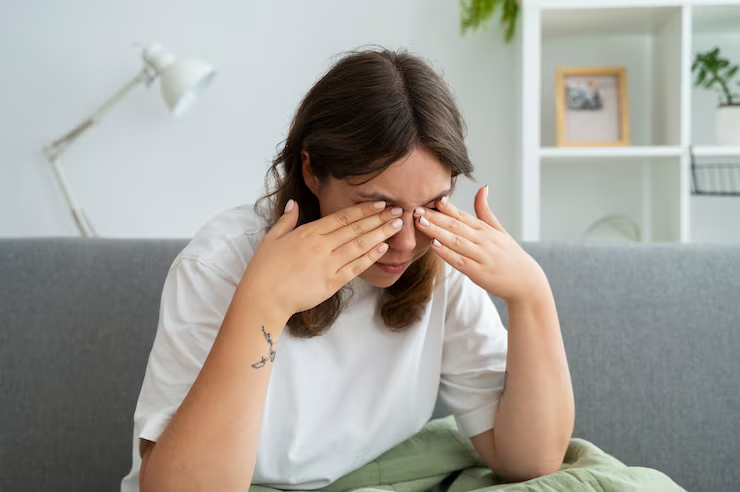
Eye allergies can be triggered by various outdoor and indoor allergens. Seasonal triggers include pollen from trees, grass, and weeds, which become especially active during spring and summer. Indoor triggers include dust mites, mold spores, and pet dander. In addition to allergens, certain irritants like cigarette smoke, perfumes, pollution, or harsh chemical fumes can also irritate the eyes. These triggers do not cause a true immune reaction but can worsen symptoms for people who already have sensitive eyes.
How Eye Allergies Are Diagnosed
Eye allergies are usually diagnosed based on symptoms and triggers. If your symptoms persist or become severe, an eye specialist may examine your eyes using a slit lamp to check for inflammation. Sometimes, allergy testing may be recommended to identify specific allergens causing your reaction. This helps create a targeted treatment plan, especially for people with chronic or severe symptoms.
Effective Ways to Manage Eye Allergies
Managing eye allergies begins with identifying and avoiding your triggers as much as possible. Staying indoors on days when pollen levels are high, keeping windows closed, and using air conditioning can help reduce exposure to outdoor allergens. Indoors, regular cleaning, vacuuming, and keeping your bedding dust-free can minimize dust mites and pet dander. Using an air purifier is also beneficial for people with year-round allergies. When going outside, wearing sunglasses can help prevent pollen and dust from entering your eyes.
Home Remedies for Eye Allergy Relief
Several simple remedies can provide quick and natural relief from eye allergy symptoms. Applying a cold compress over your closed eyes helps reduce swelling and soothes redness. Rinsing your eyes gently with clean, cold water can wash out allergens and relieve irritation. Using artificial tears or lubricating eye drops can help flush the eyes and reduce dryness and discomfort. It is important to avoid rubbing your eyes, as this can worsen inflammation and increase irritation.
Medical Treatment Options
If home remedies are not enough, various over-the-counter and prescription treatments are available. Antihistamine eye drops help reduce itching by blocking histamines, while mast-cell stabilizer drops help prevent allergy symptoms when used regularly. Combination eye drops containing both antihistamines and mast-cell stabilizers are helpful for people with frequent symptoms. For more severe cases, doctors may prescribe corticosteroid eye drops, but these should always be used under professional supervision. Oral antihistamines may also help reduce overall allergy symptoms, especially if you have both eye and nasal allergies.
When You Should See a Doctor
You should consult an eye specialist if your symptoms do not improve with basic treatment or if they become more severe. Pain, blurry vision, excessive sensitivity to light, or thick discharge from the eyes may indicate an infection or another eye condition that needs medical attention. Long-term use of the wrong eye drops, especially steroid-based ones, can be harmful, so professional guidance is important. Children, elderly patients, and people who wear contact lenses should also be extra careful and seek professional advice when symptoms persist.
Preventive Lifestyle Tips for Long-Term Control
Good eye hygiene and smart lifestyle habits can significantly reduce the frequency of eye allergy flare-ups. Make sure to wash your hands and face regularly, especially after coming from outdoors. Keep your living space clean and dust-free, and wash your bedding frequently in hot water to kill dust mites. If you have pets, keep them well-groomed and avoid letting them sleep on your bed. Staying hydrated and getting enough sleep also support healthy eyes and reduce inflammation. Most importantly, avoid rubbing your eyes, as it can worsen symptoms and damage delicate eye tissues.
Eye allergies are common but manageable with the right awareness and preventive care. By understanding your triggers, maintaining clean surroundings, using appropriate eye drops, and seeking medical advice when necessary, you can keep your eyes healthy and comfortable. Whether your symptoms occur seasonally or throughout the year, proper care and timely treatment can help you enjoy clear, irritation-free vision. Taking proactive steps today ensures better eye comfort and long-term eye health.
If you’re experiencing persistent eye allergy symptoms or need expert guidance, feel free to contact Eyemastr for professional eye care support and personalized solutions.