
Music and fashion are inseparable. We see this even more in the age of influencers and brand deals becoming commonplace. We have eight musicians who are recognized in 2026 by Concertful, releasing new albums, or touring, that incorporate signature eyewear into their new look and new work. Check it out with Eyemastr Celebrities Wearing Glasses with Style Tyler, The Creator Wearing Glasses Tyler’s latest album, Don’t Tap The Glass, and associated visuals and collateral lean heavily into retro glam, especially when it comes to eyewear. He prominently sports vintage-style Cazal acetate glasses, which are bold, chunky, statement-making frames that nod to ’80s hip-hop aesthetics. Think Run DMC, but updated in color. Statement glasses elevate the party atmosphere he cultivates in this album cycle. For someone who wants a wearable model inspired by Tyler’s look, going for thick acetate frames with dramatic shapes is key. Billie Eilish Wearing Glasses Billie Eilish is a musician whom musicians love to love. What she wears gets noticed and gets picked up by trend followers. Even when she opts for minimalist outfits, her eyewear choices often make her the center of attention. At the 2025 Grammys, she paired a sleek, all-black Prada look with small Chrome Hearts sunglasses. She usually wears thin frames, small specs, or quirky tints in other appearances. Her style is all over the board, straddling oversized and tiny frames, giving her a flexible signature, but one thing is certain: she can go full dramatic or subtly stylish. That tension keeps showing how eyewear strengthens your fashion hallmark and keeps it interesting. A$AP Rocky Musician revenue streams are rarely solely sales of their music, most often they arise from brand sponsorships. A$AP Rocky is a notable example who has expanded into fashion roles, being named Creative director for Ray-Ban. That kind of role gives him clout and influence not only in what he wears, but also how eyewear becomes a touchstone in mainstream culture. His collaborations and curated looks often emphasize bold heritage styles of sunglasses and shades. Ledisi Wearing Glasses Her Love You Too Tour (2025) supports a brand-new album (The Crown) and revives her presence on stage. While Ledisi isn’t often discussed in the fashion press in the same way as pop/hip-hop stars, her stage outfits feature striking eyewear pieces, oversized shades, and statement frames that help define her mature and award-winning performances and persona. Eyewear takes on an artistic form, akin to a mask, in this instance, and we cannot wait to see what these next performances unveil. Coldplay With The Music of the Spheres Tour continuing through 2025, Coldplay is a pillar of modern music, spanning several decades and selling out world stages. Chris Martin and band members are less associated with eyewear than they are with scandals this year; however, in recent performances and red carpet shots, they are showcasing eyewear in their performances. Reflective or tinted styles in sunglasses, such as aviators, are often seen in sunny or festival settings. These are not statements per se, but they enter the ranks of eyewear influencers to watch. Lady Gaga Wearing Glasses Lady_Gaga_Grey_Label.jpg: ericarhiannon derivative work: NicolásTM, CC BY-SA 2.0, via Wikimedia Commons Lady Gaga is a fashion icon, and her tours and recent releases make her as active now as she was five years ago. Her eyewear is as theatrical as her performance: oversized frames, exaggerated shapes, often custom. She continues to wear glasses/sunglasses not just for their aesthetic appeal, but also as symbols in her stage narrative. While much of her past eyewear moments are well known, her recent tours reaffirm her ongoing strong visual language. The Mayhem Ball is an extravaganza, and her visuals include multiple pairs of shades. Kendrick Lamar & SZA Both artists are part of the 2025 Grand National Tour. While neither has an eyewear style that defines them to the same extent as Tyler or Gaga, they both incorporate glasses and shades into music videos, performances, and press imagery in ways that effectively convey emotion and are part of their personas and artistry. Think tinted lenses, dramatic silhouettes, sometimes vintage frames. These choices often align with the aesthetic of their albums (e.g., moody, intimate, stylised). Ariana Grande Ariana Grande is touring as of 2026 and is in the spotlight thanks to her latest releases. Her fashion often features striking sunglasses (for red carpets and public appearances), as well as occasionally bold frames or shades that stand out, aligning with her high polish/pop aesthetic. Her accessories, including eyewear, tend to lean glamorous. Looking to be head-turning and have new frames headline your personal style? Everyone wants to take advantage of stylish frames for their 2026 look. Take a note from the artists above. Eyemastr specializes in bringing vintage styles to life with the highest quality modern production. See all of our oversized, thin, and tinted frames to elevate your 2026 look. Sources : https://www.vintandyork.com/
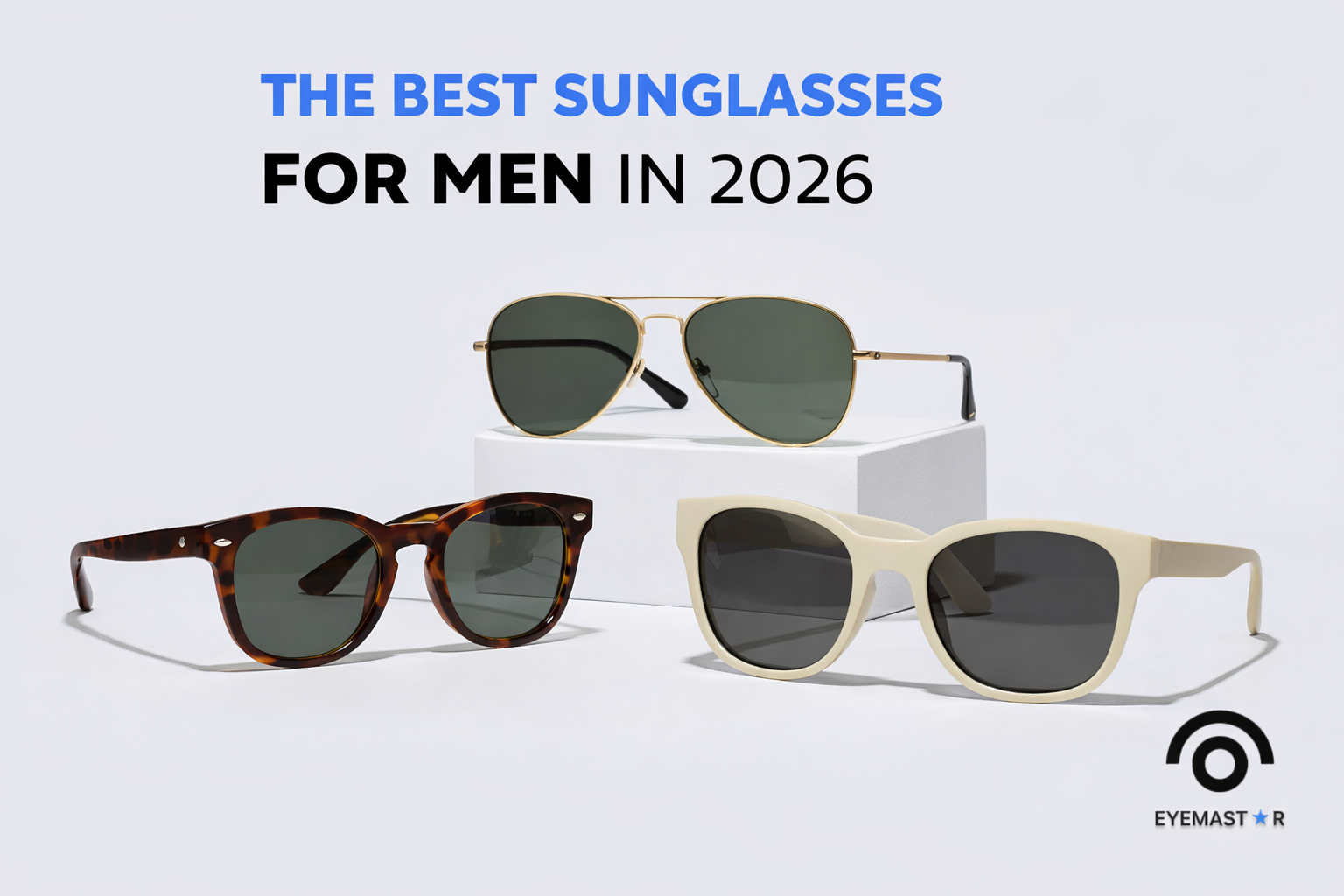
The Best Sunglasses for Men in 2026
Sunglasses are no longer just functional accessories to protect your eyes from the sun — they have become essential pieces of a man’s everyday style arsenal. In 2026, men’s sunglasses trends are all about blending timeless classics with contemporary design, bold shapes with subtle elegance. Eyemastr brings you the best sunglasses styles for men that not only enhance your look but also reflect your personality and lifestyle. D-Frame Sunglasses: Modern & Masculine One of the top trending sunglasses styles for men in 2026 is the D-frame design. This style is characterised by its angular, bold shape that gives a futuristic and masculine edge to any look. Perfect for men with round or softer face shapes, D-frame sunglasses create strong lines and draw attention to your facial features. These modern silhouettes are ideal for those who want sunglasses that feel fresh yet fashion-forward. Heavy Browline Styles: Classic with a Bold Twist Heavy browline sunglasses are making a stylish comeback as more men seek eyewear that offers both structure and personality. Defined by a thicker top frame above the lenses, this trend puts a bold twist on the classic Clubmaster silhouette. The result is a confident look that works just as well with casual outfits as it does with tailored jackets, making them versatile for everyday wear. Square Wayfarers: Timeless and Versatile Wayfarer-style sunglasses continue to hold a firm place in men’s fashion. Known for their universally flattering silhouette, square wayfarers strike the perfect balance between timeless and trendy. Whether you’re heading to a weekend brunch or a city getaway, these shades are a go-to choice that never feels outdated. Their broad appeal makes them a must-have for any sunglass collection. Oversized Aviators: Bold Meets Functional Aviators remain one of the most iconic sunglasses designs for men — and in 2026 they’re bigger and bolder than ever. Oversized aviators blend the classic teardrop shape with larger lenses and frame proportions that command attention. Not only do they offer excellent sun protection, but their standout silhouette also adds a cool, confident vibe to any outfit. Vintage & Retro Sunglasses: Old School Cool Retro and vintage sunglasses are making serious waves in men’s eyewear trends this year. These styles draw inspiration from past decades and infuse them with modern details, resulting in eyewear that feels both nostalgic and contemporary. Whether it’s rounded frames reminiscent of 1970s classics or metal finishes that evoke old-school charm, vintage designs bring character and personality to any look. Metal Frames & Clip-Ons: Sleek & Functional Metal sunglasses are another rising trend, appreciated for their lightweight feel and sleek aesthetics. From elegant gold and silver finishes to functional clip-on designs that transition from sunglasses to regular eyewear, metal frames offer a refined look with standout versatility. These pairs are perfect for today’s man who values both style and practicality without compromise. Tortoiseshell & Horn-Rimmed Shades: Warm & Stylish As colour trends evolve, tortoiseshell and horn-rimmed sunglasses are emerging as top choices for men in 2026. These warm, earthy tones bring a classic yet modern feel, making them ideal for both casual and sophisticated outfits. Their versatility allows them to blend seamlessly with everyday wardrobe staples while maintaining a distinct fashion edge. Choosing the Right Sunglasses for Your Face Shape Selecting the perfect pair of sunglasses goes beyond just following trends — it’s about finding a design that complements your face shape and personal style. Square and aviator frames often suit rounder faces by adding definition, while retro round or softer shapes work well with angular features. Understanding how different styles interact with your features ensures that you invest in sunglasses that truly enhance your look. Why Eyemastr is Your Go-To Brand in 2026 Eyemastr sunglasses combine elevated design with exceptional quality, giving you eyewear that looks great and feels comfortable all day long. From bold contemporary shapes to refined classics, our collections embrace both trend-driven styles and timeless favourites. With premium lenses for optimal eye protection and frames crafted for everyday wear, Eyemastr makes choosing the best sunglasses effortless for modern men. Sunglasses That Define Your Style The best sunglasses for men in 2026 balance trend, function, and personality. Whether you gravitate towards bold oversized aviators, timeless wayfarers, or sleek metal frames, there’s a style to match every wardrobe and occasion. With Eyemastr’s curated range of premium sunglasses, you can confidently elevate your everyday look and stay ahead in the world of men’s eyewear fashion. Follow us : LinkedIn , Instagram , Twitter , Facebook
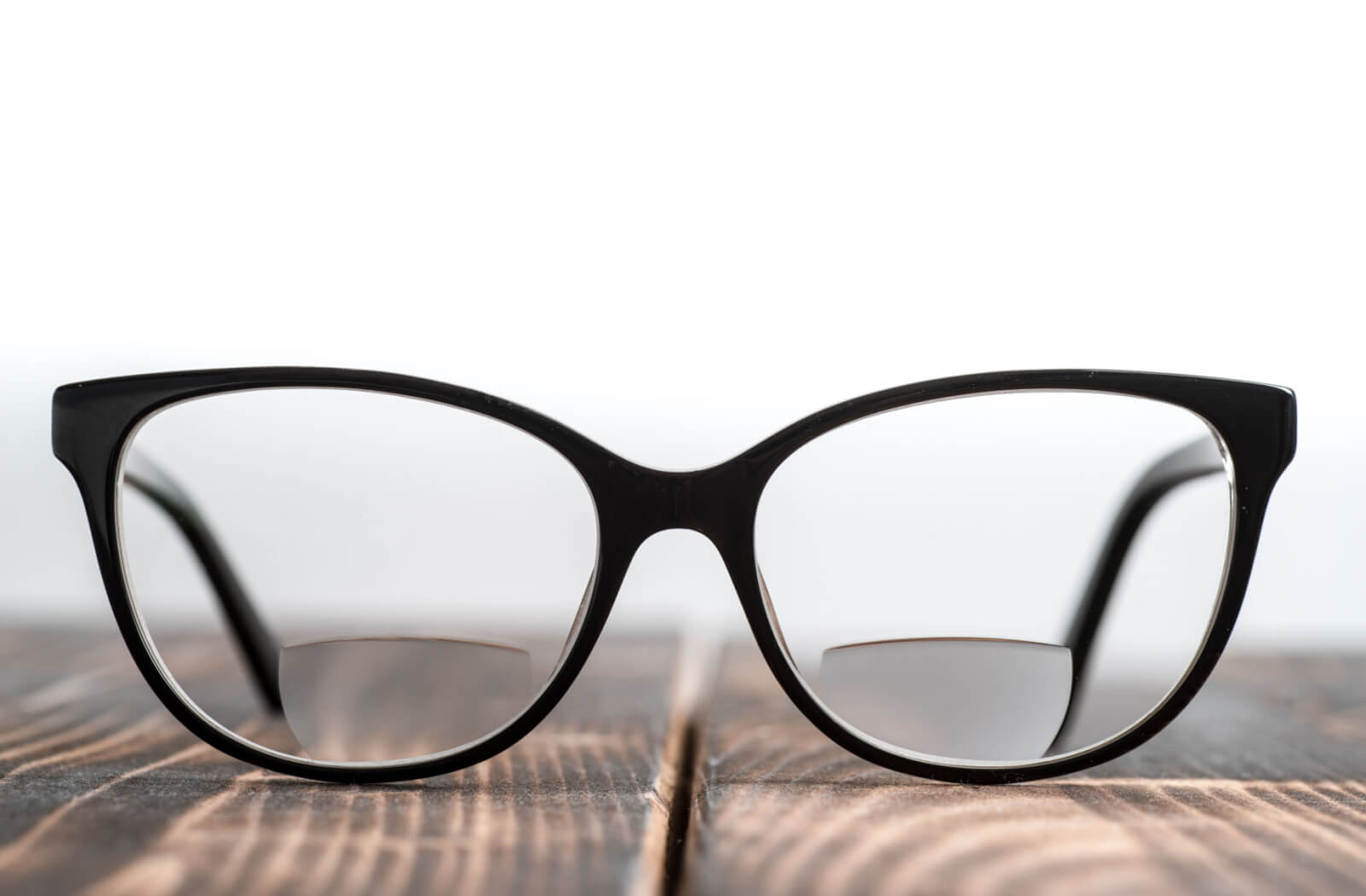
Progressive Lens vs Bifocal: Which One Should You Choose
As we grow older or experience changes in our vision, many people find that single-vision glasses are no longer enough to see clearly at both near and far distances. For this reason, multifocal lenses such as progressive lenses and bifocal lenses have become popular options. These specialized lenses help correct vision at multiple focal points in a single pair of glasses. Choosing the right type can improve your visual comfort and quality of life, especially for everyday activities like reading, driving, or working on a computer. What Are Progressive Lenses? Progressive lenses, sometimes called “no-line bifocals,” are advanced eyeglass lenses that provide a seamless transition between multiple vision zones without any visible dividing line. The top portion of the lens is optimized for distance vision, the middle portion for intermediate tasks such as computer work, and the bottom portion for near vision like reading. This smooth gradient of power helps your eyes move naturally between different distances, giving you a more modern and versatile visual experience compared to traditional lenses. What Are Bifocal Lenses? Bifocal lenses are the classic solution for people who need both distance and near vision correction in one pair of glasses. These lenses contain two distinct optical zones separated by a visible line. The top zone helps you see objects that are far away, while the bottom zone is dedicated to near tasks like reading. Because of this clear distinction between zones, bifocal lenses can be easier to adapt to for some wearers, especially those who are familiar with the design from past use. Key Differences Between Progressive and Bifocal Lenses The main difference between progressive lenses and bifocals lies in how they handle vision correction across distances. Progressive lenses offer a seamless transition from distance to intermediate to near vision, without any visible lines on the lens. In comparison, bifocal lenses provide only two distinct vision zones near and far separated by a visible line, with no intermediate correction. Because of their design, progressive lenses often deliver a more natural visual experience, reducing the feeling of switching focus between different distances. Advantages of Progressive Lenses Bifocal lenses continue to be a practical choice for many individuals who mainly require clear distance and near vision correction. Because they have a clear dividing line, they can be simpler to get used to, especially for first-time multifocal wearers. Additionally, bifocals are often more budget-friendly compared to progressive lenses, making them a cost-effective option for those who do not need intermediate vision correction. Drawbacks and Considerations Progressive lenses typically require a short adaptation period as your eyes adjust to the smooth change in vision zones, and they are generally more expensive than bifocal lenses. Some wearers may also notice slight peripheral distortion in lower-quality progressives. On the other hand, bifocal lenses do not provide intermediate vision correction, which can make tasks like computer use and close-up work less comfortable. The visible line on bifocal lenses is sometimes considered less modern in appearance, and the sudden shift between zones can create an image jump effect for some wearers. How to Decide Which One Is Right for You Choosing between progressive lenses and bifocals depends on your lifestyle, visual needs, and budget. If you want a single pair of glasses that can handle distance, intermediate, and near vision with a sleek look, progressive lenses might be the better choice. However, if you are budget-conscious, prefer a familiar design with a clear split between vision zones, and don’t need intermediate correction, bifocals can be a practical option. Consider how you spend your day whether you work a lot on screens, drive often, or read frequently and consult with an eye care professional to determine the best fit for your eyes. Both progressive lenses and bifocals offer effective solutions for multifocal vision needs, but each comes with its own set of advantages and considerations. Progressive lenses provide seamless vision and a modern appearance, while bifocals remain a simple and affordable classic choice. Understanding the differences and how they align with your daily activities will help you make an informed decision and enjoy clearer, more comfortable vision every day. Follow us : LinkedIn , Instagram , twitter , facebook

Timeless Tradition to Trendy Frames Inside Eyemastr Collection
Eyewear has evolved far beyond simple vision correction. Today, your glasses tell a story about your personality, style, and even your cultural roots. The Eyemastr Heritage Collection captures this evolution from honouring timeless traditions to embracing contemporary fashion trends that make every frame a statement piece. A Celebration of Cultural Legacy Eyemastr isn’t just about selling eyewear—it’s about celebrating vision, culture, and style all in one place. While Eyemastr’s website showcases a wide range of eyewear including sunglasses, contact lenses, and prescription glasses, the brand also draws inspiration from deeper cultural expressions. The Heritage Collection is one such example where classic design philosophies and motifs come alive in frame form. Each frame in this collection is crafted with attention to tradition, echoing the artistic motifs, architectural patterns, and heritage inspired shapes that have stood the test of time. These traces of culture are thoughtfully blended into eyewear that feels just as contemporary as it is classic. The Essence of Timeless Tradition At the heart of the Heritage Collection lies an appreciation for the past. Traditional design influences—such as architectural symmetry, ornamental patterns, and classic silhouettes—make these frames stand out. These elements give the collection a sense of depth and character, making each frame more than just a fashion accessory. They’re a nod to the artistry that shaped design aesthetics long before modern eyewear trends took centre stage. This blend of heritage and style connects young trendsetters and seasoned eyewear lovers alike to a legacy that’s visible every time they put on their glasses. It resonates especially with those who want glasses that say something about who they are and where fashion is headed. From Vintage Inspirations to Modern Frames What makes the Heritage Collection special is its seamless transition from the vintage to the modern. These frames borrow from classic eyewear shapes that have been popular through many eras—such as round opticals, bold rectangular silhouettes, and refined metal rims—yet reimagine them in contemporary finishes. Imagine a frame with a subtle geometric pattern inspired by traditional art or a sleek metal finish that speaks to modern minimalism. These frames marry the best of both worlds: the charm of classic designs with the flair of today’s fashion sensibilities. The result is eyewear that feels rooted in history yet thoroughly contemporary. Growing Eyewear Trends and Heritage Appeal Eyemastr as a brand thrives on the idea that eyeglasses are now pivotal fashion indicators, not just functional tools. Trends such as oversized frames, translucent designs, blue light protection lenses, and minimalist metal shapes are shaping how people view eyewear in everyday life. These trends are visible across many modern collections and highlight a shift toward frames that blend fashion with utility. The Heritage Collection taps into this by incorporating classic elements—such as refined shapes or subtle patterns—while still embracing modern outlooks. Whether you prefer a sleek metal frame with a timeless silhouette or an acetate frame with unique accents, these pieces cater to both trend-loving and tradition-respecting wearers. Quality Craftsmanship Meets Contemporary Comfort A heritage frame doesn’t just look good—it’s built to last. Each Eyemastr Heritage Collection frame is designed with precision engineering and premium materials that ensure durability, comfort, and daily usability. These frames use lightweight metals and high-quality acetate that keep them comfortable throughout long hours of wear without compromising on strength. Moreover, attention to detail ensures that features such as hinge quality, frame balance, and lens compatibility meet modern expectations. Whether you’re wearing them for work, travel, or leisure, these frames offer the perfect balance between reliable function and stylish form. How to Style Your Heritage Frames For Everyday Wear Choose frames with subtle patterns or classic colors for a professional yet stylish look that pairs well with office outfits or daily errands. For Weekend Style Go bold with frames that have unique motifs or modern accents. These styles bring personality to casual ensembles. For Formal Moments Opt for sleek metal rims or minimalist designs that elevate your outfit without overpowering it. Accessorizing with your wardrobe and personal taste can truly make heritage frames reflect your identity, proving they aren’t just eyewear—they’re a fashion statement that’s rooted in culture and crafted for today’s world. Eyemastr’s Heritage Collection beautifully bridges the gap between timeless tradition and trendy frame styles. By combining cultural inspiration with modern design sensibilities and quality craftsmanship, this collection offers eyewear that’s both meaningful and fashionable. Whether you value classic aesthetics or contemporary edge, these frames are designed to elevate your everyday look while honouring the artistry that inspires them. Explore the Heritage Collection on Eyemastr and find frames that celebrate history, style, and vision—all in one exquisite designFollow us: LinkedIn , Instagram , Twitter , Facebook

How to Improve Eyesight Naturally ?
Do you worry about your increased eye power ? If yes, you are not alone in this. Every spectacles wearer worries about their eyesight. Also, this worry constantly encourages them to look for ways to reduce eye power. So, can you minimize eye power? Fortunately, you can. However, it is not easy. You have to put much effort into this. But all these efforts might prove worthwhile for you if you hate putting on spectacles or lenses. So, how to improve eyesight? Several ways can help with this. With this blog, we aim to share the most effective tips for improving eyesight. So, continue reading to learn how to improve eyesight naturally. How to Improve Eyesight Naturally? Increasing your vitamin and mineral intake is the most effective and natural way. Minerals like zinc and vitamins A, C, and E significantly help improve eyesight. It is a proven way that has helped numerous individuals to improve eye power. Vitamins and minerals prevent macular degeneration. For these nutrients, you could try to include the following foods in your diet- You must also include food sources rich in omega-3 fatty acids, like flax seeds and salmon. These significantly contribute to better eye health. Colorful fruits and vegetables also help improve eye health. Below are the most effective ways to improve your eye power naturally. Enhance Your Vitamin and Mineral Intake Increasing your vitamin and mineral intake is the most effective and natural way. Minerals like zinc and vitamins A, C, and E significantly help improve eyesight. It is a proven way that has helped numerous individuals to improve eyesight naturally. Vitamins and minerals prevent macular degeneration. For these nutrients, you could try to include the following foods in your diet- You must also include food sources rich in omega-3 fatty acids, like flax seeds and salmon. These significantly contribute to better eye health. Colorful fruits and vegetables also help improve eye health. Include Carotenoids in Your Diet Improving eyesight is a collective effort. You need to include several nutrients in your diet for this. Carotenoids like zeaxanthin and lutein are found in the retina, so you must include them in your diet. These carotenoids can be found in broccoli, eggs, leafy green vegetables, and zucchini. However, if it is not possible for you to have these sources, you can also take supplements. They will help protect your macula by enhancing pigment density and absorbing blue and ultraviolet light. Stay Fit Exercise is good for each part of your body, and your eyes are no exception. So, do not think exercising will be beneficial for just your body shape. It is also necessary for your eyes. Overweight people are more prone to Type 2 Diabetes, which causes damage to tiny blood vessels in the eyes. That is why healthcare professionals suggest exercising daily to reduce weight and minimize the chances of Type 2 Diabetes. Manage Chronic Conditions Diabetes is just one disease that can affect your vision. Several other disorders might decrease your eyesight, including multiple sclerosis and high blood pressure. Therefore, if you suffer from such conditions, you must get the proper treatment to prevent further damage to your vision. Such diseases result in chronic inflammation in your body from head to toe. If this inflammation affects your optic nerve, it can damage your vision. So, get timely treatment for such chronic conditions. Reduce Screen Time The problem of weak eyesight is rapidly increasing in the present world. But why? The primary reason for this increase is the enhanced use of digital screens. Whether for entertainment or work, every individual spends hours on digital screens, which negatively impacts their vision. This is why one must minimize the use of these screens. However, if you still have to spend hours on them for work or education, follow the 20-20-20 rule. Wear Protective Goggles Another crucial way in this guide to improve eyesight naturally is to wear protective eyewear. Whether playing a sport, riding a bicycle, or working in your workplace, there are hazards for your eyes, so protective eyewear is essential to protect your eyes from damage. Sharp objects can cause harm to your eyes. So, you have to protect them from such objects at any cost. This also includes wearing sunglasses whenever you step out in the sun or drive a car during the day. The harmful UV rays coming from the sun are damaging to your eyes. Therefore, you must wear sunglasses to block it from reaching your eyes. Quit Smoking You must have heard that smoking is harmful to your heart and lungs. But do you know it is even bad for your eyes, hair, skin, teeth, and around every other body part? Yes, this is true. Smoking can raise the chances of age-related macular degeneration and cataracts. Therefore, if you smoke regularly, you must quit it today for your good health. In the first hours of quitting, your body will start healing from the tobacco-induced harm. So, quit it today to reduce your eye power. Having a high power and wearing a pair of spectacles is not only bad for your appearance. You can even get irritated from wearing them due to comfort issues. That is why you must follow all the above tips on how to improve your eyesight. They will help you improve your eyesight and might reduce eye power. However, they might not always work or provide you with a 6/6 vision. But, they will help you with improving your eyesight to some extent.

Sun, Style & Swag: How to Choose the Perfect Sunglasses for Kids
Children love the sun, but their eyes? Not so much! Whether they’re running around the park or just tagging along on errands, their delicate eyes need just as much protection as their skin. That’s where a good pair of sunglasses for kids is a must-have for every parent. At Eyemastr, we know that finding the perfect pair for your little one isn’t just about looking cute. It’s about comfort, durability, and, most importantly, top-tier UV protection. Our collection is designed for your little star! But how do you pick the right sunglasses for your little star? Well, here’s the answer! Why Do Your Kids Need Sunglasses? Children’s eyes are more sensitive than ours. Prolonged exposure to harsh UV rays can lead to long-term damage. The solution? High-quality sunglasses that shield their eyes. You wouldn’t let your child spend a day at the beach without sunscreen, right? The same care should be given to their eyes. According to studies, excessive UV exposure in childhood can lead to prolonged damage. By introducing sunglasses early on, you’re helping build a habit that will protect their vision for years to come. Moreover, less squinting means fewer headaches and less eye strain. Thus making it easier for your child to focus and enjoy their activities without discomfort. What to Look for in Kids’ Sunglasses? Now that we know why they’re essential, let’s talk about how to choose the right pair. Here’s what to look for: ➢ UV Protection & Lens Quality When shopping for sunglasses for kids, 100% UV protection is non-negotiable. It’s not just about shielding their eyes. It’s also about making sure they see the world clearly without squinting or discomfort. Every pair at Eyemastr meets the highest safety standards, so you know their little eyes are in good hands. ➢ Comfort is Key Ever bought your child something adorable, only for them to refuse to wear it? Sunglasses are no different. A great pair of glasses should sit snugly on their face without slipping or pinching. Look for adjustable frames or lightweight designs that won’t feel heavy. Remember, the easier and more comfortable they are to wear, the more likely your child is to keep them on! ➢ Built to Last Kids can be a little rough. One minute, they’re wearing their sunglasses. The next, they’re on the ground. That’s why durability matters. Eyemastr sunglasses are built to handle all the adventures, tumbles, and surprises that childhood brings. ➢ Style that Kids Love We all know that if kids don’t like something, they won’t wear it. Period. That’s why style matters. From bold colours and fun prints to sleek, sporty designs, we have something for every child. Why Choose Eyemastr? Here’s why parents love Eyemastr ➢ Maximum UV Protection Every pair is engineered to keep harmful rays out. ➢ Lightweight, Ergonomic Design No slipping, no discomfort, just a perfect fit. ➢ Built Tough Our sunglasses are made to survive playground adventures and accidental drops. ➢ Trendy & Fun Styles that kids actually want to wear. ➢ Exclusive Offer Get 10% off on your second order because one pair is never enough! Pro Tips for Keeping Sunglasses on Your Child Even with the perfect pair, some kids might resist wearing sunglasses at first. Here are a few tricks to make them a part of their daily routine: ➢ Lead by example Kids love to imitate adults, so if they see you wearing sunglasses, they’ll be more likely to wear theirs. ➢ Start early The sooner sunglasses become part of their outdoor gear, the more natural it will feel. ➢ Use a strap A soft, adjustable strap can keep sunglasses in place and prevent them from getting lost. ➢ Praise & reward Compliment them on how cool they look or offer small incentives for wearing them regularly. Ready to Upgrade Their Style & Protection? Shop at Eyemastr! Your child deserves the best when it comes to eye protection. At Eyemastr, we’ve got the perfect blend of safety, comfort, and style. So, why wait? Visit our website or your nearest E store today and grab a pair (or two) for your little trendsetter. Don’t forget to take advantage of our special discount on your second purchase!

All You Must Know About the Different Types of Lenses for Glasses
The world of eyewear is quite diverse. You might be aware of the different styles and shapes of frames. But do you know that there are various types of lenses for glasses, too? Yes, there are. For every purpose of a pair, a different lens type is available. To decide the best pair of glasses for your eyes, you must choose the right lens type. Selecting the most suitable lens type will significantly impact your vision. So, no matter why you need a pair of eyeglasses, choose the lens type carefully. Eyemastr understands the importance of the right lens type for your vision. Therefore, we have come up with this blog to introduce you to the different types of lenses. So, start reading below to uncover them all. Types of Lenses Based on Material One of the first factors to categorize lenses is based on their material. They can be classified into the following types. Glass Glass lenses provide unparalleled vision clarity. But, a major drawback of these lenses is their heavy weight. Also, these lenses are easy to break. Earlier only the glass lenses were used for vision correction. However, these lenses now have much safer substitutes made with substantial materials. Plastic Another type are the plastic lenses. These were introduced in the 1940s and are still appreciated for their durability. They are half the weight of glass lenses. Also, plastic lenses are priced lower than the glass lenses. Another advantage of these lenses is that they do not break easily. Polycarbonate Polycarbonate lenses were created in the 1970s. Since their introduction, these lenses have become quite popular. Their weight is less than even the plastic lenses. They also possess high-impact resistance. Such features make them the perfect choice for children’s glasses. They are also popularly used for safety glasses as they can bear significant wear and tear. They can be built with UV protection features. Trivex Next on the list of different types of lenses are the trivex lenses. These lenses are made with a similar plastic as used for manufacturing polycarbonate lenses. Trivex lenses are thinner and very lightweight. Compared to polycarbonate lenses their weight is much less and they have higher impact resistance. High-Index Plastic Eyeglasses for strong prescriptions usually contain lenses made with high-index plastic. Their higher refractive index makes them suitable for strong prescriptions. They are also appreciated for their lightweight and slim design. Lenses are also categorized into different types based on prescription. Following are the varying types of lenses for glasses, depending on the prescription. Single Vision Single vision lenses offer the largest vision field. They are mostly used for prescription eye glasses for men and women with near sightedness or farsightedness. These are also used for astigmatism corrective eyeglasses. Single vision lenses are the cheapest lenses. Bifocals Another type of lens based on prescription is the bifocals. These lenses have two different powers. They are also known as multifocal lenses, as they assist people with multiple vision issues. They are made with two distinct sections. Bifocals are capable of correcting nearsightedness and farsightedness at the same time. Trifocals Next on the list are trifocal lenses for eyeglasses for women and men. The purpose of these lenses is almost similar to those of bifocals. However, they have an additional section when compared to bifocals. In addition to correcting nearsightedness and farsightedness, trifocal lenses also have a section to correct intermediate vision that helps look at objects within an arm’s distance. Progressives Progressive lenses are the following type of lenses that are the perfect alternative for those who are unable to adjust to trifocals and bifocals. These lenses offer the same level of vision correction. Also, they make adjusting between prescriptions easier. Prism Prism lenses are prescribed to individuals who face severe binocular issues. These lenses are suitable for the eyes that are unable to look in the same direction when at rest. People with double vision use these lenses popularly. However, prism lenses cannot be used to correct refractive issues. How to Find the Best Lenses for Glasses? In the diverse eyeglasses world, how will you find suitable lenses for your glasses? It is pretty simple. You just need to ensure the following factors are met: Summing Up As you are now aware of the various types of lenses for glasses, it will be easier for you to pick the right kind. However, we suggest you always consult your optician to find the suitable type. Also, it is of utmost importance to ensure that the lenses you choose fulfil their purpose and are comfortable to wear.
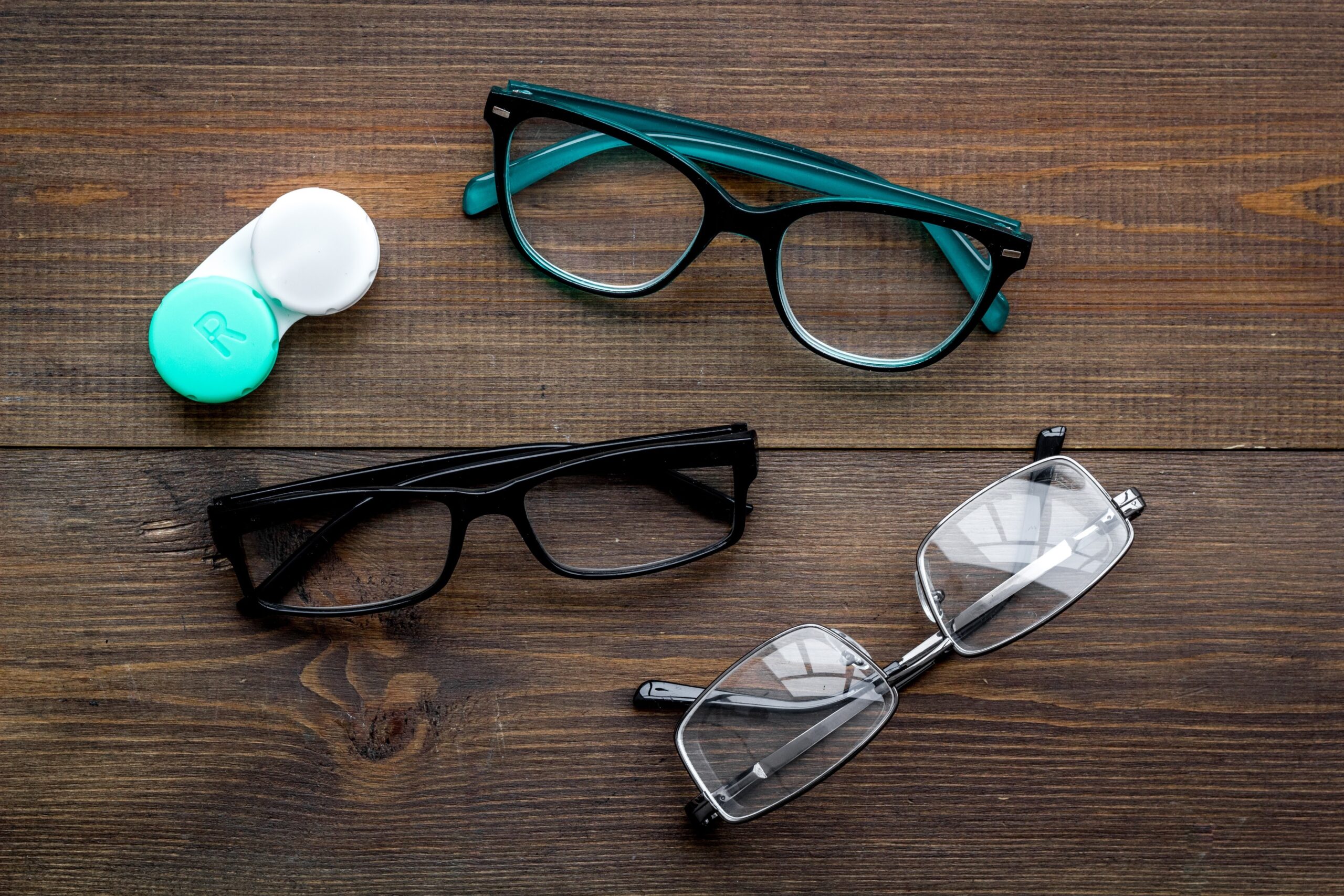
How to Transition from Contact Lenses to Stylish Frames?
Are you tired of spending countless mornings poking around in your eye without a mirror trying to slap a contact lens into place? While contacts have their advantages, there comes a time when you might be craving a little extra flair. Enter stylish frames: those little workhorses perched on your nose that can instantly elevate your confidence, double as a fashion statement, and save you from the dreaded lens hunt. Switching from contacts back to frames might sound like a backward move, but trust me, it’s more of a stylish sprint forward. Whether you’re itching for a new look, fed up with the daily contact hustle, or just want peace of mind on a late-night Netflix binge, this guide will help you glide smoothly from contact gear to frame-chic. Why Make the Switch? Okay, let’s be honest: sliding on contacts was liberating the first dozen times. But over time, you might notice dry eyes, irritation, or that nagging feeling that something’s just… not right. Plus, who actually enjoys carrying around solution bottles, bulky cases, and that sense of dread when you realize you left everything at home? Glasses, on the other hand, are the ultimate one-and-done: slip ‘em on, and you’re ready. Also, modern lens tech offers super-thin, lightweight options with anti-glare coatings so you can binge TikTok without smudges. Beyond convenience, glasses let you express yourself: bold colours, sleek silhouettes, aviator vibes or classic wayfarers; your eyewear can become an extension of your personal style. And if you’re eco-conscious, reducing contact-waste plastic is a nice bonus. But the real kicker? Glasses give your eyes a breather. No more rubbing or over-wearing contacts right before bed. Let your eyes rehydrate naturally and you might notice fewer headaches and clearer vision all around. Choosing the Perfect Frames So you’re convinced; now comes the fun part: frame shopping. Begin with understanding your face shape. Here’s a quick cheat sheet: Beyond shape, think about frame material. Metal frames feel delicate and lightweight, while acetate (plastic) offers a broader palette of colours and patterns. If you’re indecisive, spring hinges add durability and flexibility; no more pockets full of bent arms. At Eyemastr, we’ve got everything from minimalist metal builds to vibrant acetate masterpieces. The trick is to pick something that feels like you on your best day, go bold if you’re feeling adventurous, or play it safe with a timeless tortoiseshell. Either way, you’ll never look back. Adjusting to Frames Comfortably Wearing glasses 24/7 after years of a zero-lens lifestyle can take some getting used to. Those arms could leave marks behind, and the weight on your nose might feel foreign at first. But here’s the thing: once you break in a new pair (and maybe tweak the nose pads), they become second nature. Begin with wearing your glasses for short stints, maybe an hour or two to let your nose and ears acclimate. If they slide down, consider a tighter fit around the temples or a visit to your optician for a quick adjustment. No shame in asking: a small tweak can make a huge difference in comfort. You might also notice slight differences in your vision; longer hours on computer use may require progressive or blue-light-filter lenses. Soon enough, those frames will feel like an invisible extension of yourself. Styling Tips for Glasses Wearers Glasses don’t just correct vision; they elevate outfits. Here are some styling hacks: Don’t forget that sunglasses are also frames! Transition lenses offer the best of both worlds, —clear indoors, shaded outdoors; so you stay stylish and protected without a second pair. Make a Smooth Transition from Contact Lenses to Stylish Frames with Eyemastr Ready to give your eyes a stylish upgrade? Whether you’re stepping away from contacts for good or just mixing it up, Eyemastr has your back (and your face!). Browse our latest collection of frames; each one handpicked to bring out your best features while keeping comfort at the forefront. Shop now, find your perfect pair, and embrace a world where vision meets vogue. Your eyes deserve to look as amazing as they see. Click here to explore our collection and start your frame journey today! Follow us : LinkedIn , Instagram , Twitter , Facebook
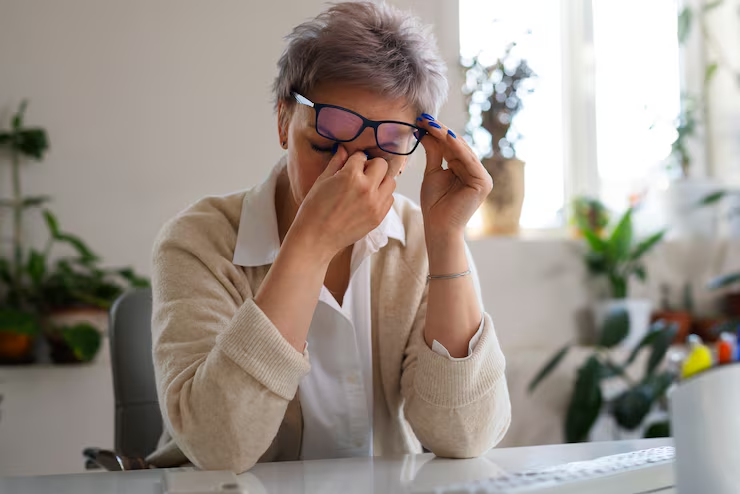
Understanding and Managing Your Eye Allergies
What Are Eye Allergies? Eye allergies, also known as allergic conjunctivitis, occur when your eyes react to certain irritants or allergens in the environment. These allergens are usually harmless for most people, but if you are sensitive to them, your immune system overreacts and releases histamines. This leads to redness, itching, swelling, and watery eyes. Common allergens that trigger eye allergies include pollen, dust mites, mold spores, pet dander, and smoke. People often confuse eye allergies with eye infections, but allergies are not contagious and usually flare up when you come into contact with specific triggers. Common Symptoms of Eye Allergies Eye allergy symptoms can vary from mild discomfort to severe irritation. The most common symptom is persistent itching, which can be so strong that people tend to rub their eyes frequently. Along with this, redness occurs due to the inflammation of the conjunctiva. Many people also experience watery or teary eyes because the tear glands produce more fluid to flush out allergens. Swollen eyelids, burning sensation, light sensitivity, and a gritty feeling in the eyes are also common. If your symptoms increase during certain seasons, you may have seasonal allergies, while year-round symptoms often indicate indoor allergies. What Causes Eye Allergies? Eye allergies can be triggered by various outdoor and indoor allergens. Seasonal triggers include pollen from trees, grass, and weeds, which become especially active during spring and summer. Indoor triggers include dust mites, mold spores, and pet dander. In addition to allergens, certain irritants like cigarette smoke, perfumes, pollution, or harsh chemical fumes can also irritate the eyes. These triggers do not cause a true immune reaction but can worsen symptoms for people who already have sensitive eyes. How Eye Allergies Are Diagnosed Eye allergies are usually diagnosed based on symptoms and triggers. If your symptoms persist or become severe, an eye specialist may examine your eyes using a slit lamp to check for inflammation. Sometimes, allergy testing may be recommended to identify specific allergens causing your reaction. This helps create a targeted treatment plan, especially for people with chronic or severe symptoms. Effective Ways to Manage Eye Allergies Managing eye allergies begins with identifying and avoiding your triggers as much as possible. Staying indoors on days when pollen levels are high, keeping windows closed, and using air conditioning can help reduce exposure to outdoor allergens. Indoors, regular cleaning, vacuuming, and keeping your bedding dust-free can minimize dust mites and pet dander. Using an air purifier is also beneficial for people with year-round allergies. When going outside, wearing sunglasses can help prevent pollen and dust from entering your eyes. Home Remedies for Eye Allergy Relief Several simple remedies can provide quick and natural relief from eye allergy symptoms. Applying a cold compress over your closed eyes helps reduce swelling and soothes redness. Rinsing your eyes gently with clean, cold water can wash out allergens and relieve irritation. Using artificial tears or lubricating eye drops can help flush the eyes and reduce dryness and discomfort. It is important to avoid rubbing your eyes, as this can worsen inflammation and increase irritation. Medical Treatment Options If home remedies are not enough, various over-the-counter and prescription treatments are available. Antihistamine eye drops help reduce itching by blocking histamines, while mast-cell stabilizer drops help prevent allergy symptoms when used regularly. Combination eye drops containing both antihistamines and mast-cell stabilizers are helpful for people with frequent symptoms. For more severe cases, doctors may prescribe corticosteroid eye drops, but these should always be used under professional supervision. Oral antihistamines may also help reduce overall allergy symptoms, especially if you have both eye and nasal allergies. When You Should See a Doctor You should consult an eye specialist if your symptoms do not improve with basic treatment or if they become more severe. Pain, blurry vision, excessive sensitivity to light, or thick discharge from the eyes may indicate an infection or another eye condition that needs medical attention. Long-term use of the wrong eye drops, especially steroid-based ones, can be harmful, so professional guidance is important. Children, elderly patients, and people who wear contact lenses should also be extra careful and seek professional advice when symptoms persist. Preventive Lifestyle Tips for Long-Term Control Good eye hygiene and smart lifestyle habits can significantly reduce the frequency of eye allergy flare-ups. Make sure to wash your hands and face regularly, especially after coming from outdoors. Keep your living space clean and dust-free, and wash your bedding frequently in hot water to kill dust mites. If you have pets, keep them well-groomed and avoid letting them sleep on your bed. Staying hydrated and getting enough sleep also support healthy eyes and reduce inflammation. Most importantly, avoid rubbing your eyes, as it can worsen symptoms and damage delicate eye tissues. Eye allergies are common but manageable with the right awareness and preventive care. By understanding your triggers, maintaining clean surroundings, using appropriate eye drops, and seeking medical advice when necessary, you can keep your eyes healthy and comfortable. Whether your symptoms occur seasonally or throughout the year, proper care and timely treatment can help you enjoy clear, irritation-free vision. Taking proactive steps today ensures better eye comfort and long-term eye health. If you’re experiencing persistent eye allergy symptoms or need expert guidance, feel free to contact Eyemastr for professional eye care support and personalized solutions. Follow us : LinkedIn , Instagram , Facebook , Twitter
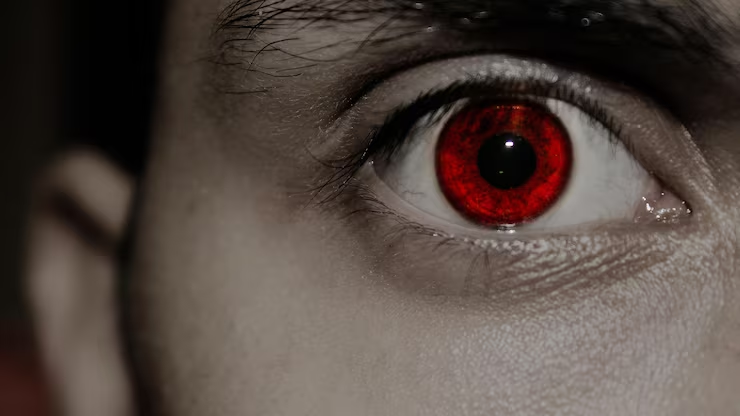
Decoding the Mystery of Red Eyes
Red eyes are one of the most common eye concerns people experience, yet the cause behind them can vary from harmless irritation to serious medical conditions. When the white part of the eye turns red, it indicates inflammation or dilation of tiny blood vessels on the eye’s surface. Many individuals feel anxious seeing a sudden change in eye appearance, especially when redness is accompanied by pain, itching, or blurred vision. Understanding what triggers red eyes is crucial for adopting the right treatment and preventing further damage. Although red eyes are often temporary, ignoring them for too long may worsen the condition or hide an underlying eye disease. Environmental Irritation and Allergies Exposure to everyday irritants is one of the most common reasons behind red eyes. Dust, smoke, pollution, strong fragrances, and chlorine in swimming pools can easily disturb the eye surface, leading to redness and watering. Seasonal allergies also play a major role, especially when pollen counts are high. People allergic to pet dander and mold may experience eye redness throughout the year. When the eye comes into contact with these triggers, the immune system responds with inflammation, causing visible redness. Taking proper precautions such as avoiding irritants and using lubricating drops often helps restore comfort and clarity. Dry Eyes and Digital Screen Fatigue In today’s digital age, excessive screen exposure causes millions of people to suffer from dry eye syndrome. Staring at screens reduces the blinking rate, preventing natural lubrication and leading to dryness, irritation, and redness. Air-conditioned rooms and long hours of reading intensify the issue even more. Dry eyes are not just uncomfortable; they can drastically affect productivity and overall eye health. Individuals who spend extended hours on mobile phones, laptops, or gaming should consciously take breaks, blink more often, and use hydrating eye drops to support moisture balance and prevent persistent redness. Infections of the Eye Eye infections such as conjunctivitis (commonly known as pink eye), keratitis, and blepharitis can also cause noticeable redness. Conjunctivitis is often triggered by bacteria, viruses, or allergies and spreads easily through physical contact and shared personal items. Keratitis usually results from injury, improper contact lens hygiene, or fungal exposure, while blepharitis is related to inflammation of the eyelids. Infection-related redness is typically accompanied by symptoms like sensitivity to light, discharge, or blurred vision. Delaying professional treatment in such cases may worsen the infection and threaten long-term eye health. Contact Lens Misuse Wearing contact lenses for extended hours or failing to clean them properly can irritate and inflame the eyes. Many wearers also sleep with lenses on, restricting oxygen flow and allowing bacteria to accumulate. This can lead to red eyes, discomfort, and in serious cases, corneal infections. Contact lens wearers should maintain proper hygiene, replace lenses on time, and give their eyes regular breaks. Switching to high-quality lenses and using sterile solutions also helps reduce irritation and the risk of redness. Underlying Medical Conditions Certain medical conditions contribute to chronic or recurring red eyes. Glaucoma, uveitis, and ocular hypertension can trigger inflammation and damage internal eye structures. Autoimmune diseases such as rheumatoid arthritis and lupus may affect the eyes as well. Redness associated with sharp pain, sudden vision changes, or nausea should never be ignored, as it may indicate an eye emergency. Identifying the cause early helps prevent complications and ensures that the right treatment is provided. When Should You See an Eye Specialist? Occasional red eyes caused by fatigue or environmental factors typically improve with rest, hydration, and proper eye care. However, persistent redness lasting more than a few days, especially when accompanied by discomfort, discharge, or blurred vision, requires professional evaluation. Early diagnosis helps protect vision and reduces the risk of long-term damage. Eye specialists can identify whether the redness is due to dryness, infection, allergies, or a more serious eye condition and offer targeted treatment for fast relief. Red eyes are a signal that your eyes are under stress, irritated, or affected by an underlying condition. Paying attention to the symptoms and understanding common causes helps you choose the right care approach before the issue escalates. Maintaining good eye hygiene, reducing screen fatigue, avoiding irritants, and reaching out to an eye-care professional when needed are the best steps to preserve eye comfort and long-term vision health. Healthy eyes play a vital role in daily life, and addressing redness quickly ensures that your eyes remain clear, refreshed, and protected. If you are experiencing persistent redness, discomfort, or uncertainty about your eye health, Eyemastr is here to help you get back to clarity and comfort. Our goal is to support your vision with trusted eye-care guidance, helpful resources, and awareness about common eye problems. Your eyes deserve the right care, and Eyemastr is committed to making eye wellness simple, accessible, and stress-free. Explore more eye-care insights and take a step toward healthier vision with Eyemastr. Follow us : LinkedIn , Instagram , Facebook , Twitter