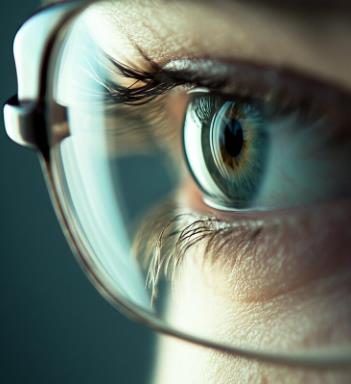
Introduction Clear eyesight is essential for everyday life. From reading messages on your phone to driving safely and working efficiently, your eyes play a vital role in everything you do. That is why maintaining strong vision clarity should be a top priority. In today’s digital world, people spend long hours on screens, face environmental pollution, and experience eye strain more than ever before. These factors can reduce visual sharpness and affect overall eye comfort. The good news is that with the right habits, regular eye care, and quality eyewear, you can improve vision clarity and support long-term eye health. Modern eyewear brands like Eyemastr are helping consumers combine style, comfort, and advanced lens technology to enjoy sharper sight in daily life. This complete guide explains what vision clarity means, what affects it, and how you can improve it naturally and effectively. What Is Vision Clarity? Vision clarity refers to how sharply and accurately you can see objects at different distances. Good vision clarity means: Poor vision clarity may show up as blurred vision, eye strain, headaches, difficulty focusing, or trouble seeing at night. Why Vision Clarity Is Important Strong vision clarity supports both productivity and quality of life. Benefits of Clear Vision When vision becomes unclear, even simple activities can feel tiring or frustrating. Common Causes of Reduced Vision Clarity Many factors can affect how clearly you see. 1. Uncorrected Refractive Errors These include: These are among the most common reasons for blurry vision. 2. Digital Eye Strain Too much screen time can reduce focus and cause temporary blur. 3. Dry Eyes Insufficient tears or unstable tear film can make vision fluctuate. 4. Poor Lighting Reading or working in dim light may strain the eyes. 5. UV Exposure Long-term sunlight exposure may contribute to eye damage over time. 6. Aging Natural age-related changes can affect lens flexibility and focusing ability. How to Improve Vision Clarity Naturally Improving vision clarity often starts with daily habits. 1. Follow the 20-20-20 Rule Every 20 minutes, look at something 20 feet away for 20 seconds. This helps relax focusing muscles and reduce screen fatigue. 2. Blink More Often When using screens, people blink less frequently. This can lead to dryness and blur. Blinking regularly helps: 3. Use Proper Lighting Avoid glare and harsh reflections. Use balanced lighting when reading or working. 4. Maintain Screen Distance Keep screens approximately 20–24 inches away and slightly below eye level. 5. Stay Hydrated Good hydration supports tear production and reduces dry-eye symptoms. Best Foods for Vision Clarity and Eye Health Nutrition plays a major role in maintaining healthy eyesight. Eat Foods Rich In: Vitamin A Supports night vision and corneal health. Sources: Vitamin C Supports eye tissues and antioxidants. Sources: Vitamin E Helps protect eye cells. Sources: Omega-3 Fatty Acids Supports tear quality and eye comfort. Sources: How Eyewear Improves Vision Clarity The right eyewear can significantly improve vision clarity by correcting focus, reducing glare, and protecting eyes. Prescription Glasses Accurate prescription lenses correct refractive errors and sharpen sight. Blue Light Glasses Helpful for people who spend long hours on screens. Benefits: Anti-Reflective Lenses These reduce glare from lights and screens. UV Protection Sunglasses Protect eyes outdoors and improve comfort in bright sunlight. Brands like Eyemastr offer stylish eyewear solutions designed to combine modern aesthetics with advanced lens performance for everyday vision clarity. Why Choose Eyemastr for Better Vision Clarity Choosing quality eyewear matters. Eyemastr Eyewear Benefits Whether you need work glasses, prescription eyewear, or sunglasses, Eyemastr helps support clear and comfortable vision. Digital Lifestyle and Vision Clarity Modern lifestyles are heavily screen-based. If unmanaged, this can reduce focus and comfort. Tips for Screen Users These habits help preserve vision clarity during long digital sessions. When to Get an Eye Exam Sometimes blurry vision is not just fatigue. It may indicate the need for updated lenses or professional care. Book an Eye Checkup If You Notice: Routine eye exams are essential for maintaining long-term vision clarity. Long-Term Habits for Sharper Sight To maintain strong vision clarity over time: Consistency matters more than quick fixes. Conclusion Maintaining excellent vision clarity is essential for comfort, productivity, and quality of life. Clear eyesight supports everything from work performance to safe movement and confident daily living. With healthy habits, proper nutrition, regular eye exams, and advanced eyewear from trusted brands like Eyemastr, you can protect your eyes and enjoy sharper sight for years to come. Your eyes work hard every day. Investing in better care today can lead to clearer vision tomorrow. FAQs – Vision Clarity 1. What does vision clarity mean? Vision clarity refers to how sharp, focused, and clear your eyesight is when viewing objects near or far. 2. How can I improve vision clarity naturally? You can improve vision clarity with screen breaks, hydration, healthy nutrition, sleep, and regular eye exams. 3. Can glasses improve vision clarity immediately? Yes, properly prescribed glasses can significantly improve vision clarity by correcting refractive errors. 4. Does screen time reduce vision clarity? Long screen use can cause temporary blur, eye strain, dryness, and focusing fatigue. 5. Which eyewear helps with digital eye strain? Blue light and anti-reflective glasses, such as options available from Eyemastr, can help improve comfort. 6. How often should I get an eye test? Most adults should get an eye exam every 1–2 years, or more often if advised by an eye specialist. 7. Can sunglasses improve vision clarity outdoors? Yes, UV-protective sunglasses reduce glare and improve visual comfort in bright sunlight. For more Blogs – Eye Protection: Complete Guide to Protect Your Vision from Screens and UV
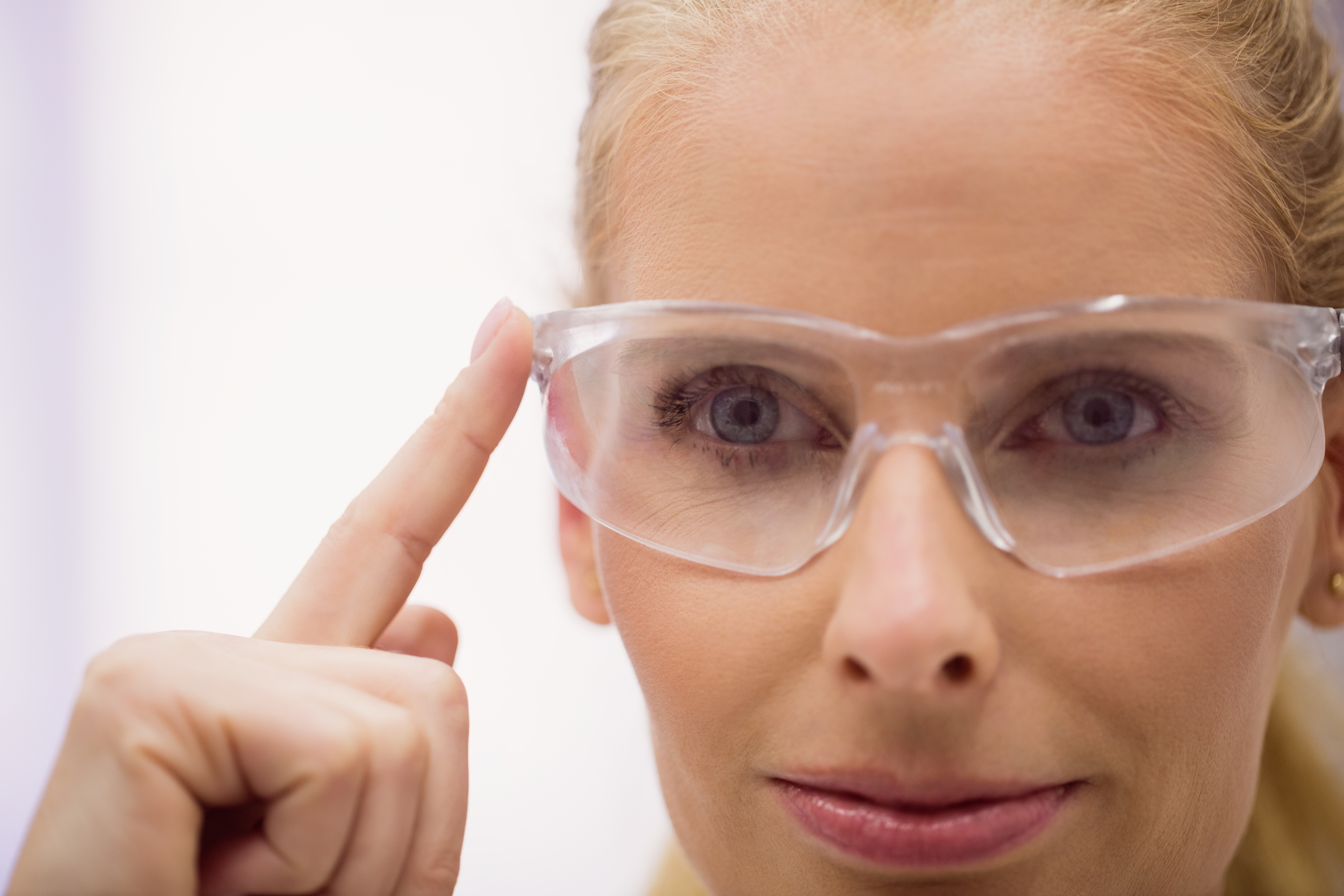
Eye Protection: Complete Guide to Protect Your Vision from Screens and UV Rays
Introduction In today’s modern lifestyle, eye protection has become more important than ever. With increasing screen time and constant exposure to harmful ultraviolet (UV) rays, our eyes are under continuous strain. Whether you are working on a laptop, scrolling on your phone, or spending time outdoors, protecting your eyes is essential for maintaining long-term vision health. Ignoring proper eye care can lead to problems such as digital eye strain, headaches, blurred vision, and even long-term eye damage. This is why investing in proper eye protection solutions, including high-quality eyewear, is crucial. Brands like Eyemastr are redefining modern eyewear by combining style, comfort, and advanced eye protection technology, helping individuals safeguard their vision in both digital and outdoor environments. This complete guide will help you understand the importance of eye protection and how to protect your eyes effectively from screens and UV exposure. Why Eye Protection Is Important Your eyes are one of the most sensitive organs in your body. Continuous exposure to screens and sunlight can negatively impact eye health over time. Common Risks Without Eye Protection Practicing proper eye protection helps prevent these issues and ensures clear and comfortable vision. Eye Protection from Digital Screens With the rise of remote work and digital devices, people spend more than 6–8 hours daily in front of screens. This has led to a significant increase in computer vision syndrome. Symptoms of Digital Eye Strain How to Protect Your Eyes from Screens 1. Use Blue Light Glasses Blue light glasses filter harmful light emitted from screens. Eyewear from Eyemastr includes advanced blue light protection to reduce strain and improve comfort. 2. Follow the 20-20-20 Rule Every 20 minutes, look at something 20 feet away for 20 seconds. 3. Adjust Screen Settings Reduce brightness and increase text size for better readability. 4. Maintain Proper Distance Keep screens at least 20–24 inches away from your eyes. Eye Protection from UV Rays Sunlight emits harmful UV rays that can damage your eyes just like your skin. Effects of UV Exposure How to Protect Your Eyes from UV Rays 1. Wear UV Protection Sunglasses Always choose sunglasses that offer 100% UV protection. Eyemastr sunglasses are designed to provide both style and superior UV protection. 2. Use Wide-Coverage Frames Larger frames protect your eyes from side exposure. 3. Avoid Peak Sun Hours Limit outdoor exposure between 10 AM and 4 PM. 4. Wear Hats or Caps This provides additional protection from direct sunlight. Best Eyewear for Complete Eye Protection Choosing the right eyewear is essential for effective eye protection. 1. Blue Light Glasses Ideal for screen users, reducing digital eye strain. 2. UV Protection Sunglasses Protect eyes from harmful sunlight and glare. 3. Prescription Glasses with Coatings Modern lenses include: Eyemastr eyewear combines all these features to deliver complete eye protection with modern style. Daily Habits for Better Eye Protection Simple lifestyle changes can significantly improve eye health. Healthy Eye Care Tips The Role of Eyewear in Modern Eye Protection Eyewear has evolved from a basic necessity to an essential part of eye protection and lifestyle. Modern eyewear brands like Eyemastr focus on: This combination ensures that users get both functionality and fashion. Conclusion In today’s digital and outdoor environment, eye protection is no longer optional—it is essential. From reducing screen strain to protecting against harmful UV rays, taking care of your eyes should be a daily priority. By adopting healthy habits and investing in high-quality eyewear from trusted brands like Eyemastr, you can ensure long-term eye health, better vision, and improved comfort. Remember, your eyes work hard for you every day—protect them with the right care and the right eyewear. FAQs – Eye Protection 1. What is eye protection and why is it important? Eye protection refers to measures taken to protect your eyes from strain, damage, and harmful exposure such as blue light and UV rays. It is important for maintaining long-term vision health. 2. Do blue light glasses really help in eye protection? Yes, blue light glasses help reduce digital eye strain, improve visual comfort, and support better sleep by filtering harmful blue light. 3. How can I protect my eyes from screens? You can protect your eyes by using blue light glasses, following the 20-20-20 rule, adjusting screen brightness, and taking regular breaks. 4. Are UV protection sunglasses necessary? Yes, UV protection sunglasses are essential to prevent eye damage caused by harmful sunlight and reduce the risk of eye diseases. 5. How often should I get my eyes checked? It is recommended to get an eye checkup every 1–2 years, or as advised by your eye specialist. 6. Which eyewear is best for complete eye protection? Eyewear that includes blue light protection, UV filtering, and anti-glare coatings—like those offered by Eyemastr—provides complete eye protection. Check more blogs – Why Investing in High-Quality Eyewear Is Important for Eye Health & Style
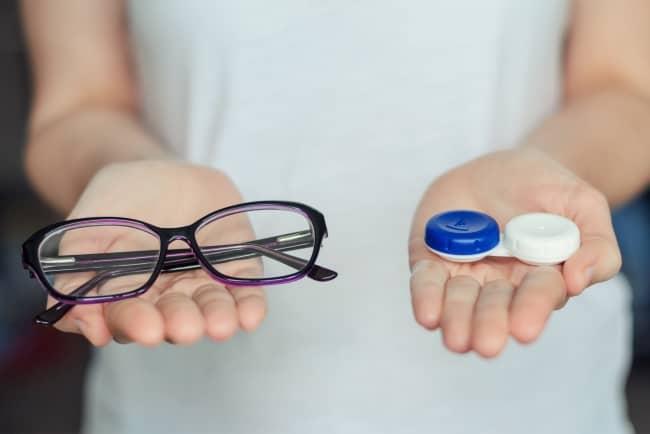
Contact Lenses vs Glasses: Which Is the Best Vision Correction Option?
Introduction When it comes to vision correction, one of the most common questions people ask is: Should I choose contact lenses or glasses? Both options are highly effective in correcting vision problems such as myopia, hyperopia, astigmatism, and presbyopia. However, the choice between them depends largely on your lifestyle, comfort preferences, and daily activities. In today’s modern world, eyewear is not just about improving vision—it’s also about convenience, style, and overall eye health. While glasses have been the traditional choice for decades, contact lenses offer a more natural and flexible alternative. This comprehensive guide will help you understand the differences between contact lenses and glasses, their benefits, limitations, and which option suits your lifestyle best. Understanding Vision Correction Options Both glasses and contact lenses work by correcting how light enters the eye and focuses on the retina. Each option has its own advantages, and the best choice depends on individual needs. Benefits of Wearing Glasses Glasses remain one of the most popular and widely used vision correction solutions due to their simplicity and versatility. 1. Easy to Use and Maintain Glasses require minimal maintenance compared to contact lenses. This makes glasses ideal for people who prefer a hassle-free option. 2. Stylish and Versatile Eyewear has become a fashion accessory. Modern glasses come in a variety of styles, including: Glasses allow you to express your personality and enhance your overall look. 3. Provide Additional Eye Protection Glasses act as a barrier against: This makes them a safer option in certain environments. 4. Cost-Effective in the Long Run Unlike contact lenses, which require regular replacement, glasses are a one-time investment that can last for years with proper care. 5. Reduced Risk of Eye Infections Since glasses do not touch the eyes directly, they reduce the risk of infections caused by improper handling or hygiene. Benefits of Wearing Contact Lenses Contact lenses offer a more natural and flexible vision correction experience. 1. Natural Appearance One of the biggest advantages of contact lenses is that they are nearly invisible. They allow you to maintain your natural look without frames. 2. Wider Field of Vision Contact lenses move with your eyes, providing: This makes them ideal for activities that require a wide field of view. 3. Ideal for Active Lifestyles Contact lenses are perfect for: They stay in place and do not slip or break like glasses. 4. No Fogging Issues Unlike glasses, contact lenses do not fog up due to: This ensures consistent clarity in all conditions. 5. Compatible with Any Sunglasses Contact lens users can wear any type of sunglasses without needing prescription lenses. Key Differences Between Contact Lenses and Glasses Feature Glasses Contact Lenses Convenience Easy to use Requires maintenance Comfort Comfortable but can slip More natural feel Vision Limited peripheral view Full field of vision Style Fashion accessory Invisible Maintenance Low High Cost One-time investment Ongoing expense Which Option Should You Choose? The decision between contact lenses and glasses depends on your lifestyle and preferences. Choose Glasses If You: Choose Contact Lenses If You: Can You Use Both Glasses and Contact Lenses? Yes, many people use both options depending on their needs. For example: This combination offers flexibility and comfort while reducing strain on the eyes. Factors to Consider Before Making a Choice Before deciding, consider the following: 1. Eye Health Consult an eye care professional to determine what is best for your eyes. 2. Lifestyle Needs Choose based on your daily activities and routine. 3. Budget Consider both initial and long-term costs. 4. Comfort Level Some people may find lenses uncomfortable initially. Tips for Safe Use of Contact Lenses and Glasses For Contact Lens Users For Glasses Users The Future of Vision Correction The eyewear industry is evolving with new innovations such as: These advancements are making vision correction more personalized and efficient. Conclusion Both contact lenses and glasses offer effective vision correction, but the best option depends on your lifestyle, comfort, and personal preferences. Glasses are convenient, stylish, and low-maintenance, while contact lenses provide flexibility, comfort, and a natural appearance. For many people, using both options provides the best balance between comfort and practicality. Ultimately, the right choice is the one that fits your daily routine and helps you maintain clear vision, comfort, and confidence.
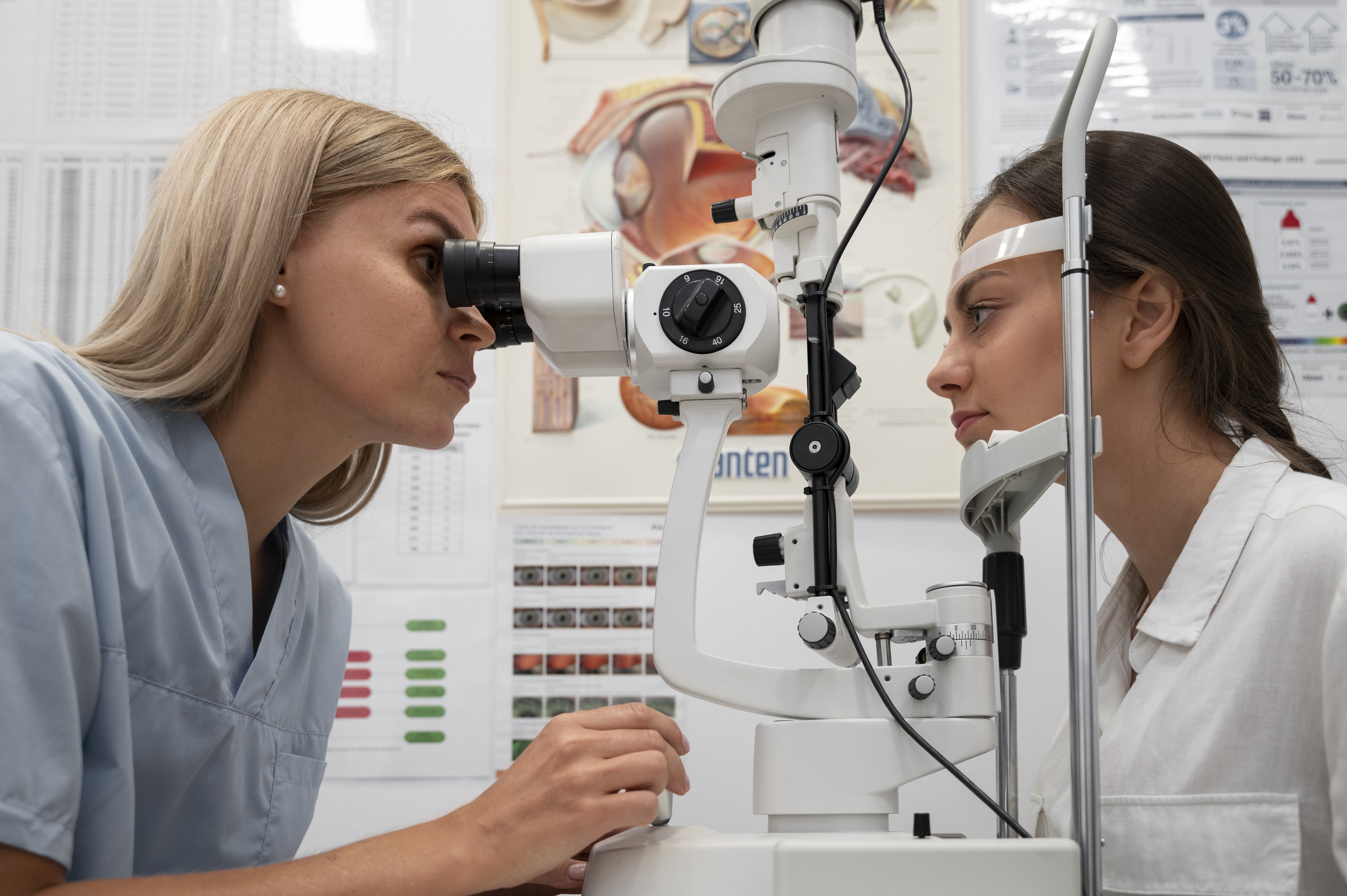
Why Regular Eye Checkups Are Essential for Healthy Vision: A Complete Eye Care Guide
In today’s digital world, our eyes are exposed to more strain than ever before. Long hours on computers and smartphones, environmental pollution, and harmful UV exposure can negatively affect vision. Despite these risks, many people visit an eye doctor only when they experience symptoms such as blurred vision, headaches, or eye strain. However, regular eye checkups are not just about updating your glasses prescription. Routine eye exams play a crucial role in maintaining long-term eye health, detecting vision problems early, and identifying serious medical conditions before they become severe. This guide explains the importance of regular eye exams, what they help detect, and how often you should get your eyes tested. The Importance of Preventive Eye Care Like general health checkups, eye examinations are a preventive measure. Many eye conditions develop gradually and may not show noticeable symptoms in the early stages. By the time vision problems become obvious, the condition may have already progressed. Regular eye checkups help to: Good vision is essential for everyday activities such as reading, working, driving, and using digital devices. Preventive eye care ensures your eyes function properly throughout your life. Early Detection of Common Vision Problems One of the major benefits of routine eye exams is the early detection of refractive errors, which affect how light focuses on the retina. Common Vision Problems Detected During Eye Exams Nearsightedness (Myopia)Difficulty seeing distant objects clearly. Increasing due to excessive screen time and reduced outdoor activity. Farsightedness (Hyperopia)Difficulty focusing on nearby objects, often leading to headaches and eye strain. AstigmatismBlurred or distorted vision caused by an irregular cornea shape. PresbyopiaAn age-related condition that usually develops after the age of 40, making it harder to read or focus on close objects. Early correction with glasses or contact lenses reduces strain and improves visual comfort for daily tasks. Detecting Serious Eye Diseases Early Regular eye examinations are essential for identifying eye diseases that may not show symptoms in the early stages. Major Eye Conditions That Can Be Detected GlaucomaKnown as the “silent thief of sight,” glaucoma damages the optic nerve and can lead to permanent vision loss if untreated. CataractsClouding of the eye lens that gradually reduces vision clarity, commonly seen with aging. Macular DegenerationA condition affecting central vision, making it difficult to read or recognize faces. Diabetic RetinopathyA diabetes-related eye disease that damages retinal blood vessels and may cause blindness if not treated early. Early diagnosis and treatment significantly reduce the risk of permanent vision loss. Eye Exams Can Reveal Overall Health Issues A comprehensive eye examination can also detect signs of systemic health conditions, including: In many cases, an eye exam is the first step in identifying these medical conditions, allowing for early treatment and better health outcomes. How Often Should You Get an Eye Test? The recommended frequency for eye exams depends on your age, lifestyle, and health condition. ChildrenAnnual eye exams help support proper vision development and academic performance. Adults (18–40 years)Every 1–2 years, especially for individuals who spend long hours on digital devices. Adults over 40Yearly eye checkups are recommended to monitor age-related vision changes and detect early signs of eye disease. People with diabetes, high blood pressure, or existing eye conditionsShould follow the testing schedule recommended by their eye care professional. Regular testing ensures timely prescription updates and early detection of potential problems. Signs You Should Visit an Eye Doctor Even if you follow a routine schedule, you should seek an eye examination if you experience: Ignoring these symptoms may lead to worsening vision or undiagnosed eye conditions. The Impact of Digital Screen Use on Eye Health Increased screen time has led to a rise in digital eye strain, also known as computer vision syndrome. Common symptoms include dryness, irritation, blurred vision, and neck or shoulder pain. Regular eye checkups help: Eye care professionals often recommend the 20-20-20 rule:Every 20 minutes, look at something 20 feet away for 20 seconds. Tips to Protect Your Vision Long-Term Maintaining healthy eyes requires both regular checkups and good lifestyle habits: Preventive care today helps protect your vision for the future. Conclusion Regular eye checkups are one of the simplest and most effective ways to protect your vision and overall health. Routine eye exams help detect vision problems early, identify serious eye diseases, and ensure your eyes remain healthy in today’s digital lifestyle. Instead of waiting for symptoms to appear, make eye exams a part of your regular healthcare routine. Clear vision supports productivity, safety, and quality of life. Your eyes work hard for you every day. Scheduling regular eye checkups is a smart investment in your long-term health, comfort, and well-being.

How Blue Light Glasses Can Protect Your Vision
In today’s digital-first lifestyle, screens are everywhere from workstations to entertainment devices. Prolonged exposure to digital screens increases blue light exposure, which can affect eye comfort and overall vision health. At Eyemastr, we believe that clear vision starts with the right care, and blue light glasses are an essential part of modern eye protection. What Is Blue Light? Blue light is a high-energy visible light emitted by the sun as well as digital devices such as smartphones, laptops, and LED screens. While natural blue light helps regulate our sleep cycle and alertness, excessive artificial blue light can strain the eyes. With increasing screen time, managing blue light exposure has become more important than ever. How Blue Light Affects Your Eyes Extended screen usage can lead to digital eye strain, causing symptoms like tired eyes, dryness, headaches, and blurred vision. Blue light exposure, especially during evening hours, may also disrupt sleep patterns. Eye care specialists at Eyemastr often recommend protective solutions for people experiencing discomfort due to long hours of screen use. What Are Blue Light Glasses? Blue light glasses are specially designed eyewear that filters out harmful blue light from digital screens. These lenses reduce glare and enhance visual comfort, making screen time easier on your eyes. At Eyemastr, blue light glasses are available in both prescription and non-prescription options, ensuring comfort and clarity for every lifestyle. Benefits of Wearing Blue Light Glasses Wearing blue light glasses helps reduce eye strain and visual fatigue during prolonged screen exposure. They improve contrast, minimize glare, and support overall eye comfort. Many users also report better sleep quality when using blue light glasses in the evening. Eyemastr’s blue light lenses are crafted to balance protection and clear vision without compromising style. Who Should Use Blue Light Glasses? Anyone who spends significant time on digital devices can benefit from blue light glasses. Office professionals, students, gamers, and remote workers are especially prone to digital eye strain. Even if you don’t need vision correction, Eyemastr blue light glasses offer an effective way to protect your eyes throughout the day. Choosing the Right Blue Light Glasses at Eyemastr Selecting the right blue light glasses depends on your daily screen usage and vision needs. Eyemastr offers expert guidance to help you choose lenses with effective blue light filtering, anti-reflective coating, and UV protection. A professional eye test ensures that your glasses provide both comfort and optimal vision performance. Why Regular Eye Tests Matter Blue light glasses work best when paired with routine eye examinations. Regular eye tests help detect early vision changes and ensure your prescription remains accurate. At Eyemastr, comprehensive eye testing services help you maintain healthy eyes and long-term visual clarity. Blue light glasses are an essential solution for protecting your vision in a digital world. By reducing eye strain, enhancing comfort, and supporting better sleep, they help maintain eye health over time. At Eyemastr, we are committed to providing trusted eye care solutions—from professional eye tests to high-quality blue light glasses—so you can see clearly and confidently every day.

How to Improve Eyesight Naturally ?
Do you worry about your increased eye power ? If yes, you are not alone in this. Every spectacles wearer worries about their eyesight. Also, this worry constantly encourages them to look for ways to reduce eye power. So, can you minimize eye power? Fortunately, you can. However, it is not easy. You have to put much effort into this. But all these efforts might prove worthwhile for you if you hate putting on spectacles or lenses. So, how to improve eyesight? Several ways can help with this. With this blog, we aim to share the most effective tips for improving eyesight. So, continue reading to learn how to improve eyesight naturally. How to Improve Eyesight Naturally? Increasing your vitamin and mineral intake is the most effective and natural way. Minerals like zinc and vitamins A, C, and E significantly help improve eyesight. It is a proven way that has helped numerous individuals to improve eye power. Vitamins and minerals prevent macular degeneration. For these nutrients, you could try to include the following foods in your diet- You must also include food sources rich in omega-3 fatty acids, like flax seeds and salmon. These significantly contribute to better eye health. Colorful fruits and vegetables also help improve eye health. Below are the most effective ways to improve your eye power naturally. Enhance Your Vitamin and Mineral Intake Increasing your vitamin and mineral intake is the most effective and natural way. Minerals like zinc and vitamins A, C, and E significantly help improve eyesight. It is a proven way that has helped numerous individuals to improve eyesight naturally. Vitamins and minerals prevent macular degeneration. For these nutrients, you could try to include the following foods in your diet- You must also include food sources rich in omega-3 fatty acids, like flax seeds and salmon. These significantly contribute to better eye health. Colorful fruits and vegetables also help improve eye health. Include Carotenoids in Your Diet Improving eyesight is a collective effort. You need to include several nutrients in your diet for this. Carotenoids like zeaxanthin and lutein are found in the retina, so you must include them in your diet. These carotenoids can be found in broccoli, eggs, leafy green vegetables, and zucchini. However, if it is not possible for you to have these sources, you can also take supplements. They will help protect your macula by enhancing pigment density and absorbing blue and ultraviolet light. Stay Fit Exercise is good for each part of your body, and your eyes are no exception. So, do not think exercising will be beneficial for just your body shape. It is also necessary for your eyes. Overweight people are more prone to Type 2 Diabetes, which causes damage to tiny blood vessels in the eyes. That is why healthcare professionals suggest exercising daily to reduce weight and minimize the chances of Type 2 Diabetes. Manage Chronic Conditions Diabetes is just one disease that can affect your vision. Several other disorders might decrease your eyesight, including multiple sclerosis and high blood pressure. Therefore, if you suffer from such conditions, you must get the proper treatment to prevent further damage to your vision. Such diseases result in chronic inflammation in your body from head to toe. If this inflammation affects your optic nerve, it can damage your vision. So, get timely treatment for such chronic conditions. Reduce Screen Time The problem of weak eyesight is rapidly increasing in the present world. But why? The primary reason for this increase is the enhanced use of digital screens. Whether for entertainment or work, every individual spends hours on digital screens, which negatively impacts their vision. This is why one must minimize the use of these screens. However, if you still have to spend hours on them for work or education, follow the 20-20-20 rule. Wear Protective Goggles Another crucial way in this guide to improve eyesight naturally is to wear protective eyewear. Whether playing a sport, riding a bicycle, or working in your workplace, there are hazards for your eyes, so protective eyewear is essential to protect your eyes from damage. Sharp objects can cause harm to your eyes. So, you have to protect them from such objects at any cost. This also includes wearing sunglasses whenever you step out in the sun or drive a car during the day. The harmful UV rays coming from the sun are damaging to your eyes. Therefore, you must wear sunglasses to block it from reaching your eyes. Quit Smoking You must have heard that smoking is harmful to your heart and lungs. But do you know it is even bad for your eyes, hair, skin, teeth, and around every other body part? Yes, this is true. Smoking can raise the chances of age-related macular degeneration and cataracts. Therefore, if you smoke regularly, you must quit it today for your good health. In the first hours of quitting, your body will start healing from the tobacco-induced harm. So, quit it today to reduce your eye power. Having a high power and wearing a pair of spectacles is not only bad for your appearance. You can even get irritated from wearing them due to comfort issues. That is why you must follow all the above tips on how to improve your eyesight. They will help you improve your eyesight and might reduce eye power. However, they might not always work or provide you with a 6/6 vision. But, they will help you with improving your eyesight to some extent.
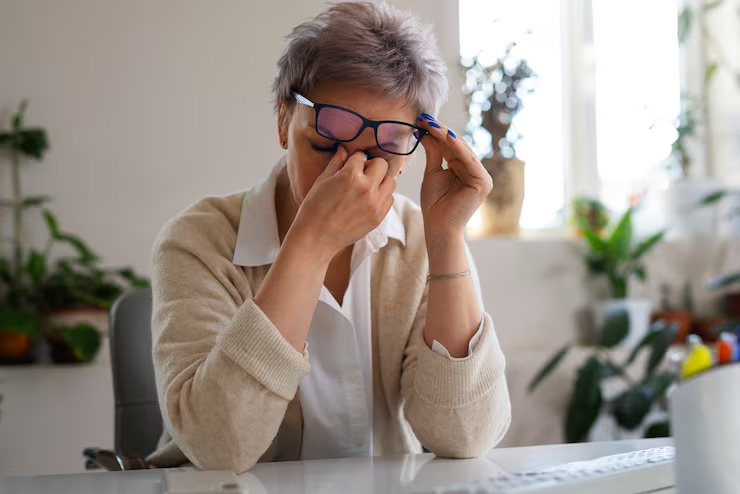
Understanding and Managing Your Eye Allergies
What Are Eye Allergies? Eye allergies, also known as allergic conjunctivitis, occur when your eyes react to certain irritants or allergens in the environment. These allergens are usually harmless for most people, but if you are sensitive to them, your immune system overreacts and releases histamines. This leads to redness, itching, swelling, and watery eyes. Common allergens that trigger eye allergies include pollen, dust mites, mold spores, pet dander, and smoke. People often confuse eye allergies with eye infections, but allergies are not contagious and usually flare up when you come into contact with specific triggers. Common Symptoms of Eye Allergies Eye allergy symptoms can vary from mild discomfort to severe irritation. The most common symptom is persistent itching, which can be so strong that people tend to rub their eyes frequently. Along with this, redness occurs due to the inflammation of the conjunctiva. Many people also experience watery or teary eyes because the tear glands produce more fluid to flush out allergens. Swollen eyelids, burning sensation, light sensitivity, and a gritty feeling in the eyes are also common. If your symptoms increase during certain seasons, you may have seasonal allergies, while year-round symptoms often indicate indoor allergies. What Causes Eye Allergies? Eye allergies can be triggered by various outdoor and indoor allergens. Seasonal triggers include pollen from trees, grass, and weeds, which become especially active during spring and summer. Indoor triggers include dust mites, mold spores, and pet dander. In addition to allergens, certain irritants like cigarette smoke, perfumes, pollution, or harsh chemical fumes can also irritate the eyes. These triggers do not cause a true immune reaction but can worsen symptoms for people who already have sensitive eyes. How Eye Allergies Are Diagnosed Eye allergies are usually diagnosed based on symptoms and triggers. If your symptoms persist or become severe, an eye specialist may examine your eyes using a slit lamp to check for inflammation. Sometimes, allergy testing may be recommended to identify specific allergens causing your reaction. This helps create a targeted treatment plan, especially for people with chronic or severe symptoms. Effective Ways to Manage Eye Allergies Managing eye allergies begins with identifying and avoiding your triggers as much as possible. Staying indoors on days when pollen levels are high, keeping windows closed, and using air conditioning can help reduce exposure to outdoor allergens. Indoors, regular cleaning, vacuuming, and keeping your bedding dust-free can minimize dust mites and pet dander. Using an air purifier is also beneficial for people with year-round allergies. When going outside, wearing sunglasses can help prevent pollen and dust from entering your eyes. Home Remedies for Eye Allergy Relief Several simple remedies can provide quick and natural relief from eye allergy symptoms. Applying a cold compress over your closed eyes helps reduce swelling and soothes redness. Rinsing your eyes gently with clean, cold water can wash out allergens and relieve irritation. Using artificial tears or lubricating eye drops can help flush the eyes and reduce dryness and discomfort. It is important to avoid rubbing your eyes, as this can worsen inflammation and increase irritation. Medical Treatment Options If home remedies are not enough, various over-the-counter and prescription treatments are available. Antihistamine eye drops help reduce itching by blocking histamines, while mast-cell stabilizer drops help prevent allergy symptoms when used regularly. Combination eye drops containing both antihistamines and mast-cell stabilizers are helpful for people with frequent symptoms. For more severe cases, doctors may prescribe corticosteroid eye drops, but these should always be used under professional supervision. Oral antihistamines may also help reduce overall allergy symptoms, especially if you have both eye and nasal allergies. When You Should See a Doctor You should consult an eye specialist if your symptoms do not improve with basic treatment or if they become more severe. Pain, blurry vision, excessive sensitivity to light, or thick discharge from the eyes may indicate an infection or another eye condition that needs medical attention. Long-term use of the wrong eye drops, especially steroid-based ones, can be harmful, so professional guidance is important. Children, elderly patients, and people who wear contact lenses should also be extra careful and seek professional advice when symptoms persist. Preventive Lifestyle Tips for Long-Term Control Good eye hygiene and smart lifestyle habits can significantly reduce the frequency of eye allergy flare-ups. Make sure to wash your hands and face regularly, especially after coming from outdoors. Keep your living space clean and dust-free, and wash your bedding frequently in hot water to kill dust mites. If you have pets, keep them well-groomed and avoid letting them sleep on your bed. Staying hydrated and getting enough sleep also support healthy eyes and reduce inflammation. Most importantly, avoid rubbing your eyes, as it can worsen symptoms and damage delicate eye tissues. Eye allergies are common but manageable with the right awareness and preventive care. By understanding your triggers, maintaining clean surroundings, using appropriate eye drops, and seeking medical advice when necessary, you can keep your eyes healthy and comfortable. Whether your symptoms occur seasonally or throughout the year, proper care and timely treatment can help you enjoy clear, irritation-free vision. Taking proactive steps today ensures better eye comfort and long-term eye health. If you’re experiencing persistent eye allergy symptoms or need expert guidance, feel free to contact Eyemastr for professional eye care support and personalized solutions. Follow us : LinkedIn , Instagram , Facebook , Twitter
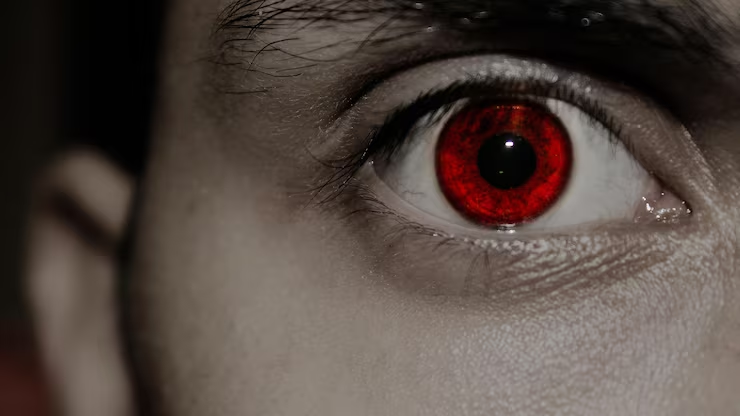
Decoding the Mystery of Red Eyes
Red eyes are one of the most common eye concerns people experience, yet the cause behind them can vary from harmless irritation to serious medical conditions. When the white part of the eye turns red, it indicates inflammation or dilation of tiny blood vessels on the eye’s surface. Many individuals feel anxious seeing a sudden change in eye appearance, especially when redness is accompanied by pain, itching, or blurred vision. Understanding what triggers red eyes is crucial for adopting the right treatment and preventing further damage. Although red eyes are often temporary, ignoring them for too long may worsen the condition or hide an underlying eye disease. Environmental Irritation and Allergies Exposure to everyday irritants is one of the most common reasons behind red eyes. Dust, smoke, pollution, strong fragrances, and chlorine in swimming pools can easily disturb the eye surface, leading to redness and watering. Seasonal allergies also play a major role, especially when pollen counts are high. People allergic to pet dander and mold may experience eye redness throughout the year. When the eye comes into contact with these triggers, the immune system responds with inflammation, causing visible redness. Taking proper precautions such as avoiding irritants and using lubricating drops often helps restore comfort and clarity. Dry Eyes and Digital Screen Fatigue In today’s digital age, excessive screen exposure causes millions of people to suffer from dry eye syndrome. Staring at screens reduces the blinking rate, preventing natural lubrication and leading to dryness, irritation, and redness. Air-conditioned rooms and long hours of reading intensify the issue even more. Dry eyes are not just uncomfortable; they can drastically affect productivity and overall eye health. Individuals who spend extended hours on mobile phones, laptops, or gaming should consciously take breaks, blink more often, and use hydrating eye drops to support moisture balance and prevent persistent redness. Infections of the Eye Eye infections such as conjunctivitis (commonly known as pink eye), keratitis, and blepharitis can also cause noticeable redness. Conjunctivitis is often triggered by bacteria, viruses, or allergies and spreads easily through physical contact and shared personal items. Keratitis usually results from injury, improper contact lens hygiene, or fungal exposure, while blepharitis is related to inflammation of the eyelids. Infection-related redness is typically accompanied by symptoms like sensitivity to light, discharge, or blurred vision. Delaying professional treatment in such cases may worsen the infection and threaten long-term eye health. Contact Lens Misuse Wearing contact lenses for extended hours or failing to clean them properly can irritate and inflame the eyes. Many wearers also sleep with lenses on, restricting oxygen flow and allowing bacteria to accumulate. This can lead to red eyes, discomfort, and in serious cases, corneal infections. Contact lens wearers should maintain proper hygiene, replace lenses on time, and give their eyes regular breaks. Switching to high-quality lenses and using sterile solutions also helps reduce irritation and the risk of redness. Underlying Medical Conditions Certain medical conditions contribute to chronic or recurring red eyes. Glaucoma, uveitis, and ocular hypertension can trigger inflammation and damage internal eye structures. Autoimmune diseases such as rheumatoid arthritis and lupus may affect the eyes as well. Redness associated with sharp pain, sudden vision changes, or nausea should never be ignored, as it may indicate an eye emergency. Identifying the cause early helps prevent complications and ensures that the right treatment is provided. When Should You See an Eye Specialist? Occasional red eyes caused by fatigue or environmental factors typically improve with rest, hydration, and proper eye care. However, persistent redness lasting more than a few days, especially when accompanied by discomfort, discharge, or blurred vision, requires professional evaluation. Early diagnosis helps protect vision and reduces the risk of long-term damage. Eye specialists can identify whether the redness is due to dryness, infection, allergies, or a more serious eye condition and offer targeted treatment for fast relief. Red eyes are a signal that your eyes are under stress, irritated, or affected by an underlying condition. Paying attention to the symptoms and understanding common causes helps you choose the right care approach before the issue escalates. Maintaining good eye hygiene, reducing screen fatigue, avoiding irritants, and reaching out to an eye-care professional when needed are the best steps to preserve eye comfort and long-term vision health. Healthy eyes play a vital role in daily life, and addressing redness quickly ensures that your eyes remain clear, refreshed, and protected. If you are experiencing persistent redness, discomfort, or uncertainty about your eye health, Eyemastr is here to help you get back to clarity and comfort. Our goal is to support your vision with trusted eye-care guidance, helpful resources, and awareness about common eye problems. Your eyes deserve the right care, and Eyemastr is committed to making eye wellness simple, accessible, and stress-free. Explore more eye-care insights and take a step toward healthier vision with Eyemastr. Follow us : LinkedIn , Instagram , Facebook , Twitter
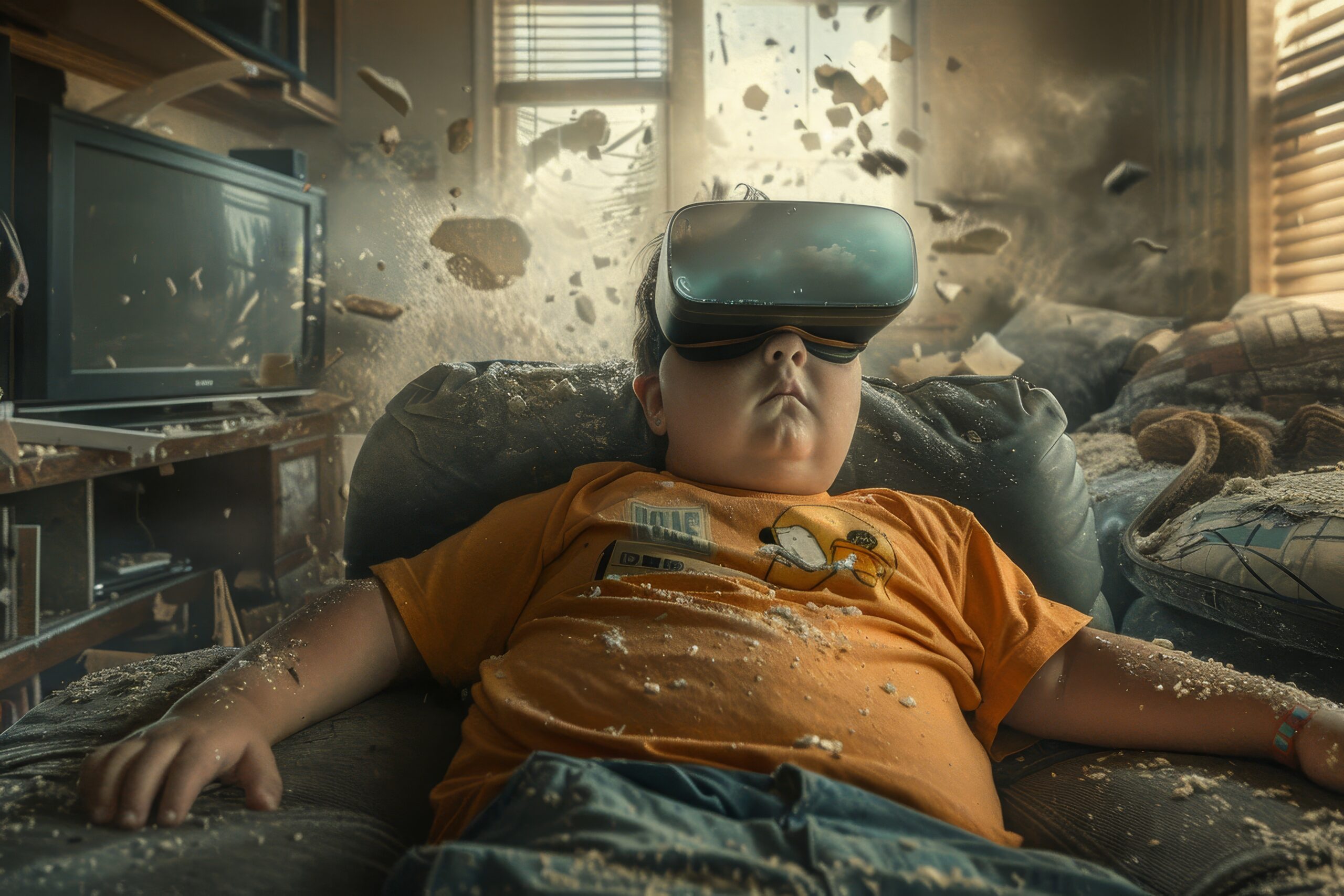
Is Your Screen Time Damaging Your Vision? Here’s How to Know
We live in a world where screens are everywhere—on our desks, in our hands, and even on our wrists. Whether you’re binge-watching your favorite series, working from home, or scrolling through social media, screen time has become an unavoidable part of daily life. But have you ever stopped to wonder: is all this screen time damaging your vision? Let’s dive into what science says, how to spot the warning signs, and what you can do to protect your eyes—without giving up your devices. The Link Between Screen Time and Vision Problems 📱 What Is “Too Much” Screen Time? Studies show that the average adult spends over 7 hours a day on digital devices, while children often exceed 4 hours daily . This prolonged exposure can lead to a range of eye-related issues, including: Behavioral and Developmental Concerns Excessive screen time doesn’t just affect your eyes; it can also impact behavior and development, especially in children. Prolonged screen exposure has been linked to issues like reduced attention spans and increased risk of behavioral disorders. How to Know If Screen Time Is Affecting Your Eyes Here are some signs that your screen time might be taking a toll on your vision: If you’re experiencing any of these symptoms, it’s time to take action. Protecting Your Vision in the Digital Age 🕒 Follow the 20-20-20 Rule Every 20 minutes, take a 20-second break to look at something 20 feet away. This simple habit can help reduce eye strain and fatigue. 💧 Keep Your Eyes Moist Blinking helps to moisten your eyes, but we tend to blink less when staring at screens. Make a conscious effort to blink more often, and consider using lubricating eye drops if necessary . 💡 Optimize Your Screen Setup Incorporate Outdoor Activities Spending time outdoors, especially for children, can help reduce the risk of developing myopia. Aim for at least two hours of outdoor activity each day. 👓 Eyemastr: Your Partner in Eye Health Eyemastr is a leading online destination in the UAE dedicated to providing high-quality, affordable eye care solutions with the convenience of online shopping. Whether you’re looking for prescription contact lenses, eye test bookings, or lens care essentials, Eyemastr makes it easy to keep your eyes healthy—without the hassle. Backed by a customer-first approach, Eyemastr combines quality products with reliable service, fast delivery, and a seamless shopping experience. Their platform is user-friendly, offering both trending and essential eye care products at your fingertips. 🌟 What Services & Products Does Eyemastr Offer? Here’s what you can expect from Eyemastr: 👁️ Eye Care Services 👓 Vision Products 💧 Contact Lens Care Essentials 💻 Online Convenience Visit Eyemastr.com to explore their latest collections, book affordable eye exams, and get all the essentials you need for clear, comfortable vision—delivered right to your door. Frequently Asked Questions How much screen time is too much? While there’s no one-size-fits-all answer, it’s recommended to limit recreational screen time to under two hours per day for adults and even less for children. Can screen time cause permanent eye damage? Prolonged screen time can lead to conditions like myopia, which may become permanent if not addressed early. Regular eye check-ups and proper screen habits can help mitigate these risks. Are blue light glasses effective? Blue light glasses can help reduce eye strain for some people, but their effectiveness varies. It’s best to combine their use with other eye-friendly practices. How often should I get my eyes checked? Adults should have an eye exam every two years, or more frequently if experiencing vision problems. Children should have regular check-ups, especially if they spend significant time on screens. (digitalvital.org) Conclusion In our digital age, screen time is an integral part of life, but it’s essential to be mindful of its impact on our vision. By recognizing the signs of eye strain and adopting healthy screen habits, you can protect your eyes for the long haul. Remember, regular eye check-ups and the right eyewear can make all the difference. Partner with trusted providers like Eyemastr to ensure your eyes stay healthy and your vision remains clear.