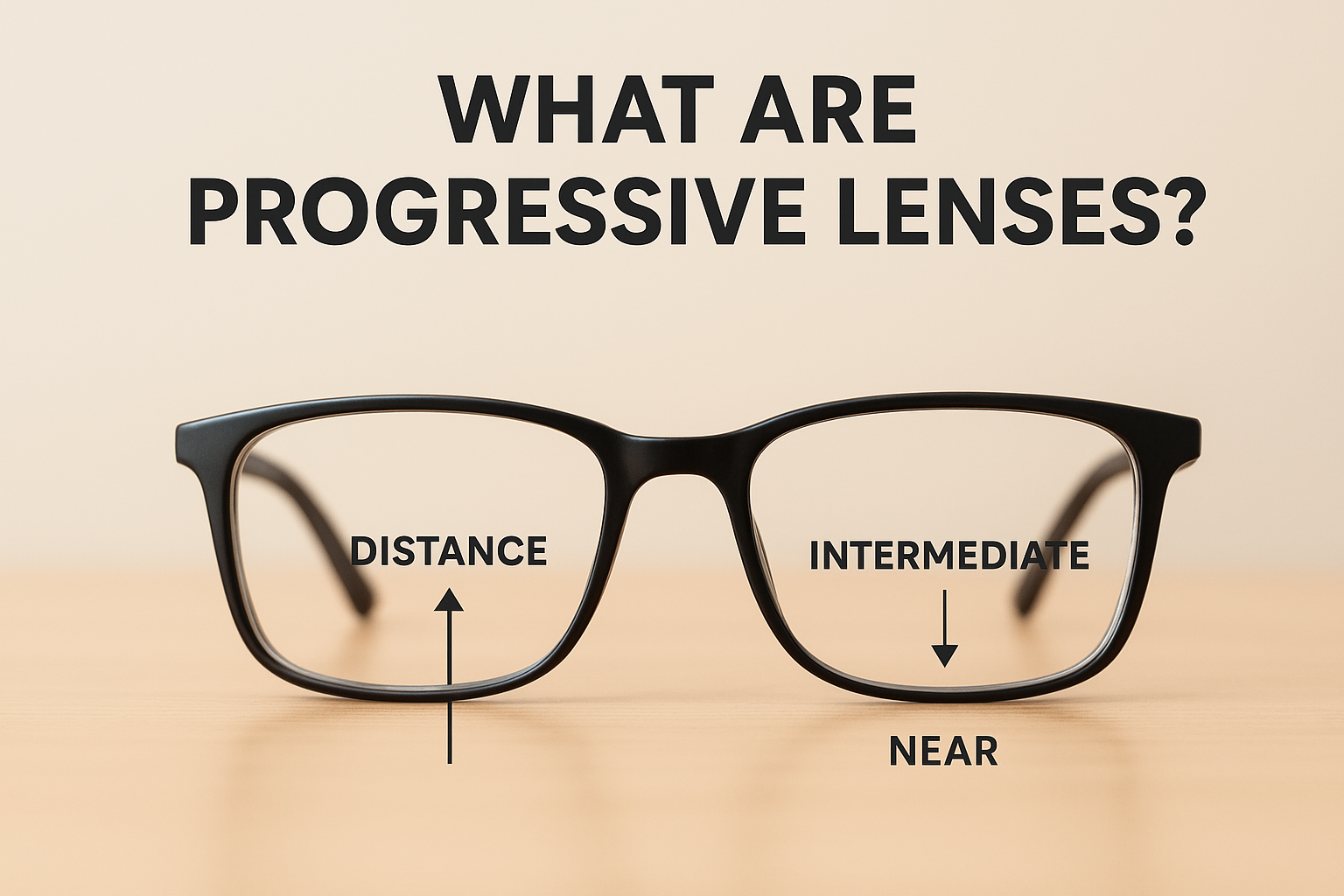
What Are Progressive Lenses Progressive lenses are special eyeglass lenses designed to help people see clearly at all distances without switching between multiple pairs of glasses. These lenses offer a natural and gradual shift in vision from near to intermediate to distance. Unlike bifocal or trifocal lenses there are no visible lines on progressive lenses which makes them more comfortable and modern in appearance. They look like normal single vision lenses but provide three in one vision correction. People who are above forty often experience presbyopia which makes it difficult to focus on close objects. Progressive lenses solve this problem by giving clear vision for reading computer use and distance views in one single pair of glasses. How Progressive Lenses Work Progressive lenses are designed with a smooth transition of power from the top of the lens to the bottom. The upper part of the lens helps with distance vision such as driving or watching far objects. The middle section supports intermediate vision such as using a computer or looking at a phone at arm’s length. The lower part of the lens is used for near vision such as reading books or checking documents. This gradual change allows the eyes to shift naturally between different viewing zones. The design reduces the need to remove glasses frequently and makes daily life more convenient. Types of Progressive Lenses There are different types of progressive lenses created to suit various needs and lifestyles. Standard progressive lenses are the most common and offer a smooth transition between all viewing distances. Premium progressive lenses provide a wider field of view and reduce distortion making them more comfortable for daily use. Office progressive lenses are designed mainly for near and intermediate tasks such as computer work and reading and are best for people who spend long hours indoors. Custom progressive lenses are tailored to the wearer’s face shape frame size and lifestyle for maximum comfort. Every type offers a different experience allowing users to choose the one that fits their routine. Benefits of Progressive Lenses Progressive lenses offer many benefits that make them a preferred choice for people with presbyopia. They remove the need for multiple pairs of glasses which makes life simpler and more comfortable. They also look more stylish because there are no visible lines on the lenses. People find them helpful for multitasking because they allow smooth vision changes while working reading or driving. Progressive lenses provide a natural viewing experience that reduces eye strain and supports better posture since you do not need to move your head unnaturally to see clearly. Overall they bring convenience clarity and modern design together in one lens. Who Should Use Progressive Lenses Progressive lenses are ideal for people who have difficulty seeing close objects due to age related changes in vision. Most people start experiencing presbyopia after the age of forty and progressive lenses become a practical solution. They are also suitable for people who do not want to switch between reading glasses and distance glasses throughout the day. Anyone who works on a computer spends time reading or engages in tasks that require frequent focus changes can benefit from these lenses. They are also a great choice for those who prefer a clean and modern look without visible lens lines. Price of Progressive Lenses The cost of progressive lenses depends on the type design brand coating and customization level. Standard progressive lenses are usually more affordable while premium and custom lenses may cost more due to advanced technology and wider viewing zones. The price can also increase when adding features like blue light protection anti reflective coating or scratch resistant coating. Although progressive lenses are more expensive than basic single vision glasses they provide greater value through convenience comfort and multifunctional use. Investing in a good pair of progressive lenses ensures better vision and long term comfort. Common Challenges and Adjustment Period Some people need a short period of time to adjust to progressive lenses. This is completely normal because the eyes and brain must get used to the new way of viewing different distances. You may feel slight blur on the sides or need to move your head slightly to find the right focus area. With regular use the adjustment becomes easy and natural. Wearing the lenses consistently and choosing high quality designs helps reduce discomfort. After the adjustment period most users find progressive lenses extremely comfortable and efficient for everyday life. Use Cases of Progressive Lenses Progressive lenses are suitable for many daily activities. They are perfect for reading books working on laptops using mobile phones driving watching television and performing office tasks. People who travel frequently benefit from the all in one functionality since they do not need separate glasses for reading and distance. They are also great for professionals who switch between screens documents and meetings throughout the day. Whether indoors or outdoors progressive lenses support smooth vision changes that fit into every part of daily routine. Progressive lenses offer a modern and convenient solution for clear vision at all distances. They provide comfort style and practicality for anyone experiencing presbyopia or facing challenges with near and intermediate vision. With various types price options and use cases these lenses make daily activities easier and more enjoyable. If you are looking for high quality progressive lenses that match your lifestyle you can explore Eyemastr for the latest designs and expert guidance. Follow us : LinkedIn ,Instagram , twitter , facebook
5 Hottest Sunglasses Trends for 2026
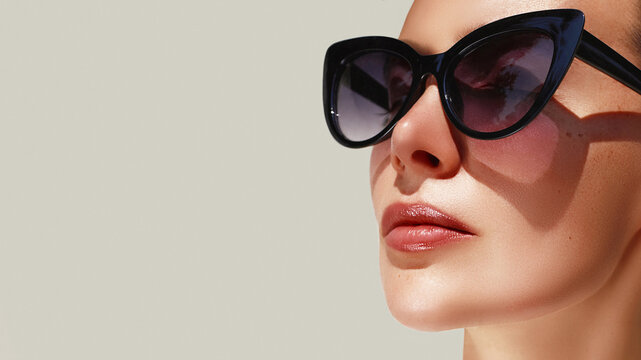
As we look toward 2026, the world of eyewear is buzzing with exciting new sunglasses trends that perfectly blend cutting-edge style with essential functionality. Browsing through the hottest sunglasses and picking the perfect shades for you isn’t just about style; it’s also about safeguarding your vision. This guide will dive deep into the fashion sunglasses poised to dominate the year, emphasizing why UV protection sunglasses and eye protection sunglasses are non-negotiable. Get ready to discover your next iconic pair that champions both aesthetics and health. Trend #1: Make a grand statement with oversized sunglasses. The reign of oversized sunglasses continues into 2026, but with a refined and more architectural twist. These aren’t just big; they’re thoughtfully designed statement pieces that exude confidence and mystery. We’re seeing a shift towards more structured, often rectangular or subtly geometric oversized frames, moving beyond the purely curvilinear forms of previous years. Trend #2: Oval sunglasses, a stylish nod to retro chic. Oval sunglasses are making a strong comeback, channelling a distinct retro sunglasses vibe with a modern edge. These frames offer a softer alternative to sharp angles, providing a universally flattering shape that balances various facial features. Expect both slim, minimalist oval frames and slightly chunkier acetate versions, often in unexpected colours or patterns. Trend #3: Choose cat-eye sunglasses for timeless allure – reimagined. Cat-eye sunglasses come with refreshing twists in 2026, offering variations that range from subtly upward-swept corners to dramatically exaggerated wings. This year, we’ll see creative interpretations with unique finishes, dual-tone frames, and even delicate embellishments that redefine this iconic silhouette. The focus is on playful elegance and feminine power. Trend #4: Sporty meets high-fashion with wrap sunglasses. Trend #4: Sporty meets high-fashion with wrap sunglasses. For 2026, wrap sunglasses are making a significant crossover from performance eyewear into mainstream fashion. These sporty frames offer maximum coverage and a sleek, aerodynamic look with a futuristic twist. Expect bold colours, mirrored lenses, and innovative materials, blending athletic utility with a high-fashion sensibility. This trend aligns perfectly with the growing emphasis on fitness, wellness, and keeping an active lifestyle. Trend #5: Thin metals deliver minimalist sleekness. Embodying understated yet stylish sophisticated, these metal sunglasses are a key style for shades-wearers in 2026. Characterized by their delicate-looking construction, they offer slim wireframes in gold, sliver, rose gold, or matte black. Shapes range from updated aviator sunglasses to refined rounds and subtle geometric outlines, prioritizing lightness and a barely-there feel. Why UV protection is non-negotiable. While chasing the hottest trends, never compromise on the sunglasses’ eye protection. Your eyes are susceptible to damage from harmful ultraviolet (UV). This is why certified UV protection sunglasses are paramount. How to choose your perfect pair of sunglasses. Selecting the right pair of shades involves a balance of style and substance in your process: By combining your desire for the best & latest with a commitment to keeping your eyes safe, you’ll find a pair that’s both effortlessly you and supremely protective. Find the best in style and protection with us. Choosing the perfect pair of sunglasses for 2026 is an exciting journey that blends personal expression with vital health considerations. At Eyemastr, we’re committed to bringing you the hottest sunglasses trends of 2026 alongside must-have UV protection. Looking for sunglasses that match the 2026 trends while giving your eyes the protection they deserve?Explore Eyemastr’s exclusive collection of premium sunglasses designed for style, comfort, and complete UV400 protection. Whether you love oversized, oval, cat-eye, wrap, or minimalist metal frames we have something crafted just for you.For expert guidance or to find your perfect pair, contact Eyemastr today. Reach out to us anytime our team is here to help you choose eyewear that fits your style and safeguards your vision. Follow us : LinkedIn , Instagram Twitter, Facebook
Eco-Friendly Glasses Materials Pair Truly Sustainable?
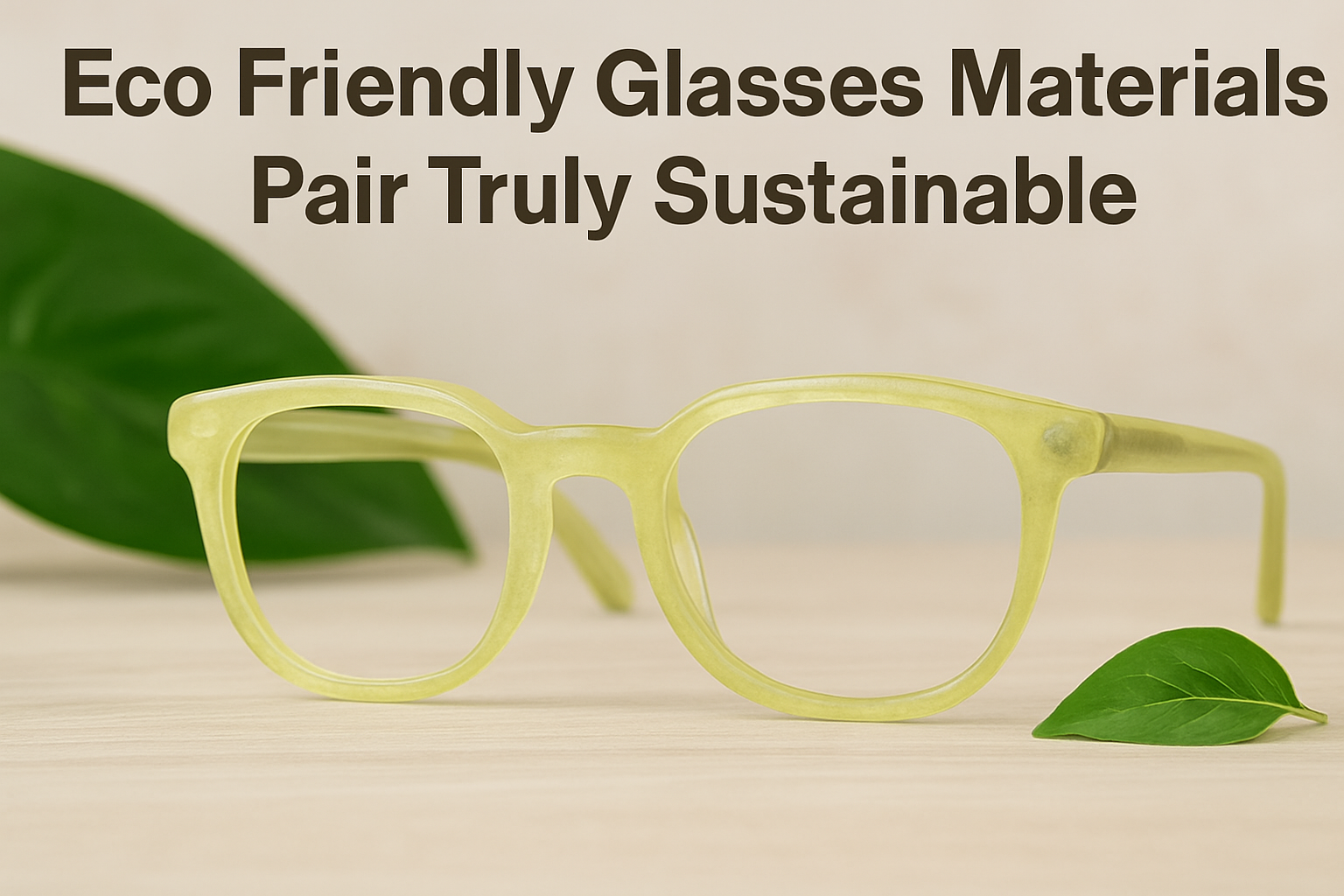
Choosing eyewear today is no longer only about fashion or comfort. Many people now want glasses that are kind to the environment and support a sustainable future. Eco friendly glasses materials are becoming an important part of the eyewear industry as brands and customers both look for options that cause less harm to nature. This blog explores whether these materials are truly sustainable and what makes them a good choice for eco conscious users. Understanding Eco Friendly Glasses Materials Eco friendly glasses materials are those that come from natural sources or recycled elements. These materials are designed to reduce pollution and waste while providing durable quality. Many eyewear brands now offer frames made from plant based plastics, recycled metals, wood and even biodegradable material. The idea behind these materials is to reduce the use of harmful chemicals and traditional plastic which take years to break down. Different Types of Sustainable Eyewear Materials There are several materials used for making eco friendly glasses. Plant based acetate is one of the most popular options. It is created from natural fibers and is known for being flexible and comfortable. Recycled plastic is another common material that helps reduce the amount of plastic waste thrown into the environment. Bamboo and wood frames have also become popular because they have a naturally stylish look and come from renewable resources. Recycled metal frames use previously used metals which reduce the need for fresh mining and lower carbon emissions. Are These Materials Truly Sustainable The idea of sustainability depends on how the material is sourced and how long the product lasts. Eco friendly materials are more sustainable compared to traditional plastics because they do not release harmful chemicals and are easier to recycle. Plant based acetate uses natural ingredients and breaks down faster than regular acetate. Recycled plastic uses already existing waste which keeps plastic away from oceans and landfills. Wood and bamboo are renewable as long as companies follow responsible harvesting. Recycled metals reduce energy consumption and provide long lasting durability. Environmental Impact of Eco Friendly Eyewear Eco friendly materials clearly reduce environmental harm. Recycled plastic lowers the need for new plastic manufacturing which saves energy and reduces pollution. Plant based materials reduce the use of petroleum based products. Wood and bamboo have a lower carbon footprint when sourced responsibly. Even the manufacturing of sustainable eyewear focuses on lowering waste and energy use. Many companies also follow responsible packaging practices to reduce their environmental impact even further. Comfort and Style in Sustainable Glasses Eco friendly glasses do not compromise on style or comfort. In fact many people prefer the natural look of wood or bamboo frames as they offer a unique appearance. Plant based acetate frames come in various colors and shapes and feel lightweight and smooth on the skin. Recycled metal frames are strong and durable which makes them a good everyday choice. These materials show that sustainable eyewear can be trendy stylish and long lasting. Challenges in Eco Friendly Eyewear Production Although eco friendly materials are a better choice they still come with some challenges. The manufacturing process for plant based acetate can sometimes be more expensive which increases the final cost for customers. Wood frames may not be as flexible as plastic frames. Recycled plastic quality can vary depending on how well it is processed. However most of these challenges can be reduced with new technology and better recycling methods. As more people choose sustainable products companies are improving their processes to make them more efficient. How to Choose Truly Sustainable Eyewear When choosing eco friendly glasses it is important to check the material used and the brand’s sustainability practices. Look for eyewear brands that use certified recycled materials and responsibly sourced wood or bamboo. Check if the company explains their manufacturing process and environmental goals. Also choose a frame that suits your face shape and daily use so that it lasts longer. A long lasting product is always more sustainable because it reduces the need for frequent replacements. The Future of Sustainable Eyewear The demand for eco friendly glasses is increasing every year. As customers become more aware of environmental issues brands are working harder to produce eyewear that is natural safe and long lasting. With new innovations in material science the eyewear industry is moving towards more biodegradable options and carbon neutral production methods. The future of eyewear will be more eco conscious and stylish at the same time. Eco friendly glasses materials are not just a trend. They are an important step towards a cleaner and greener future. These materials reduce waste save energy and offer a stylish comfortable option for everyday use. While there are still some challenges the benefits are far greater. Eco friendly eyewear materials can be considered truly sustainable when companies follow responsible practices and customers make conscious choices. If you are looking for stylish durable and sustainable eyewear options you can connect with Eyemastr. Eyemastr offers high quality frames that combine modern design with eco friendly materials. For more information or to explore the best sustainable eyewear collection you can contact Eyemastr today. Follow us : Linkedin , Instagram , facebook , Twitter
Best Eyeglasses for Office Work & Long Screen Hours- Eyemastr
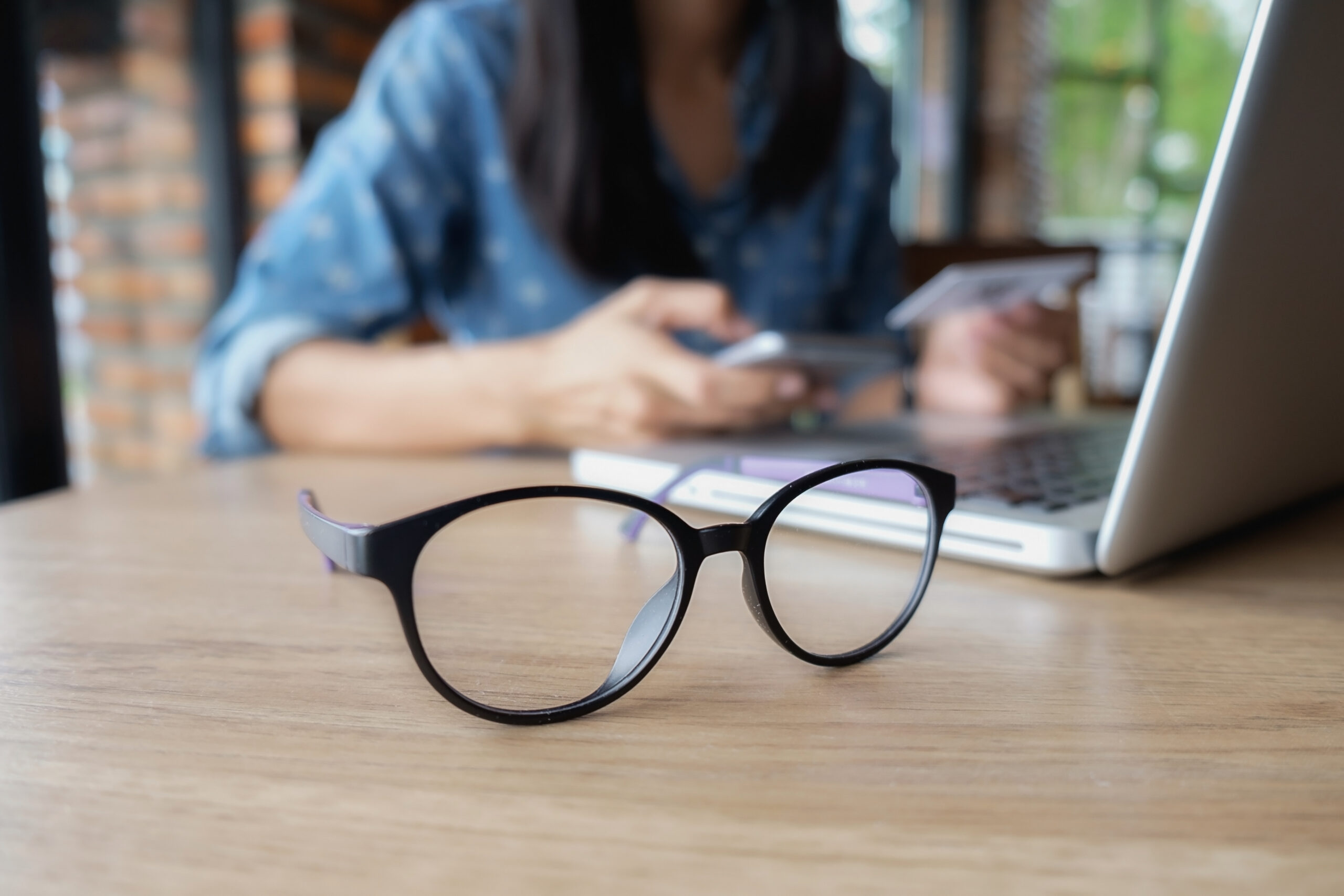
Spending long hours on a laptop, desktop, or mobile screen has become a part of daily life. Whether you work in an office or from home, constant screen exposure can lead to eye strain, headaches, blurred vision, dryness, and poor focus. The right pair of eyeglasses can protect your eyes and improve comfort, productivity, and overall eye health. Here’s a complete guide to the best eyeglasses for office work and long screen hours, along with the top materials and lens types you should consider. 1. Blue-Light Blocking Eyeglasses – Essential for Digital Eye Protection Blue-light glasses are one of the best investments for office workers. They help reduce digital eye strain by filtering harmful blue light emitted by screens. Benefits: 2. Anti-Glare (AR) Coated Eyeglasses – Clear Vision Without Reflections Anti-glare eyeglasses come with a special coating that eliminates reflections from computer screens and artificial lights. Why they’re perfect for office: 3. Lightweight Frames – Comfort for All-Day Wear Comfort matters when you’re wearing glasses for 8–10 hours a day. Lightweight frames reduce pressure on your nose and ears, making them ideal for office routines. Best lightweight materials: 4. Large Frame Eyeglasses – Wider Field of Vision A larger lens area makes it easier to view screens without needing to tilt your head frequently. This supports better posture and reduces neck strain. Ideal for: 5. Blue-Violet Light Filtering Eyeglasses – Advanced Screen Protection These special lenses block both blue-violet light and UV rays, offering premium eye comfort for people who stare at screens all day. Benefits include: How to Choose the Best Eyeglasses for Office Work Keep these tips in mind when selecting your next pair of eyeglasses: Choosing the right eyewear can significantly improve your daily comfort and support healthier vision—especially if you spend hours in front of digital screens. Working long hours in front of screens can strain your eyes, but the right eyeglasses make a huge difference. From blue-light protection to lightweight frames and anti-glare coatings, there are many options designed specifically for office professionals and digital users. Upgrading to the right pair ensures better vision, improved comfort, and enhanced productivity every day. Ready to upgrade your office eyewear? Follow Eyemastr and explore our premium collection of screen-friendly eyeglasses designed for comfort, clarity, and all-day protection! Stay connected with us:- Facebook , Instagram , X(Twitter) , LinkedIn
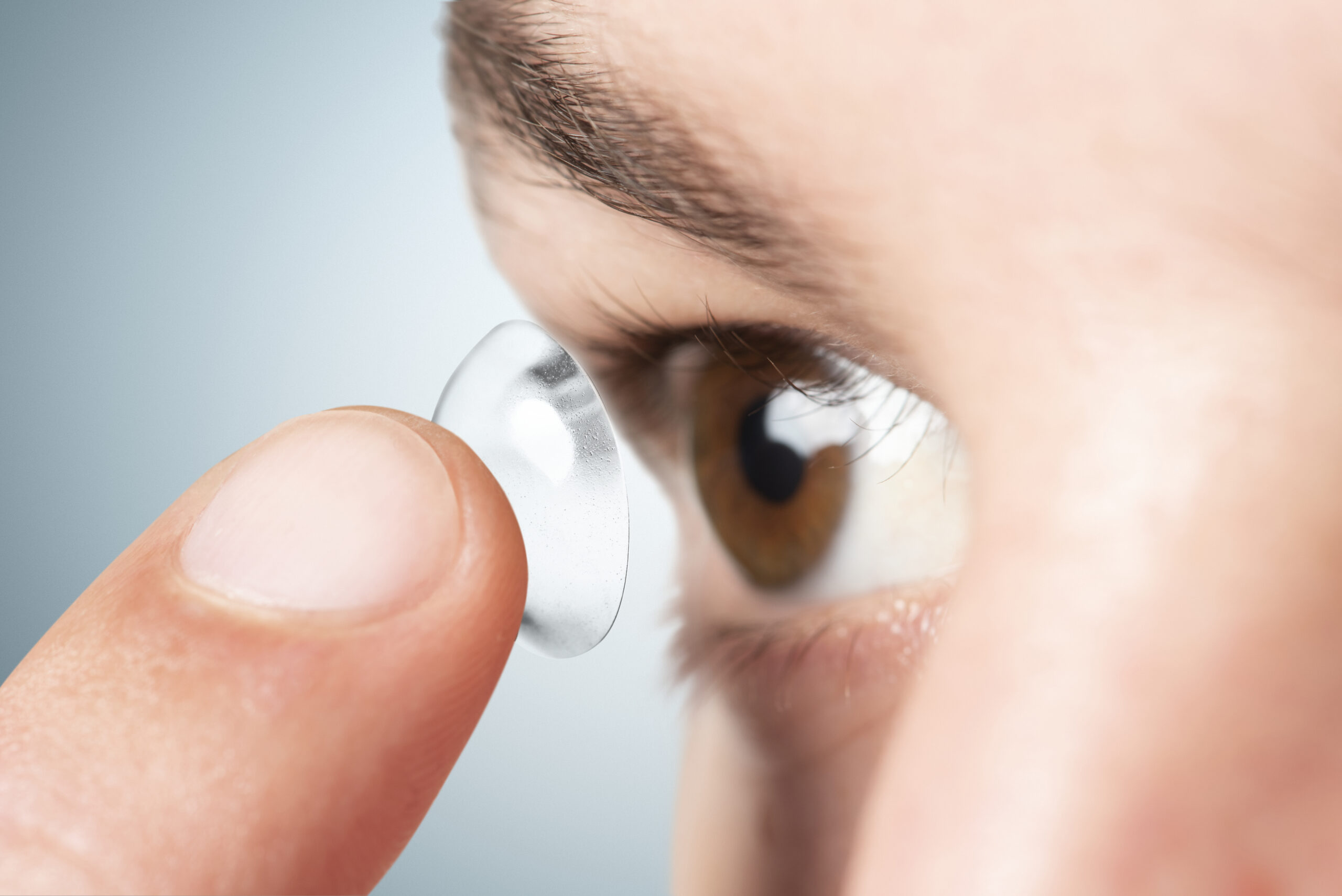
Do Contact Lenses Really Improve Eyesight? Here’s What You Should Know
Contact lenses for eyesight have come a long way—from simple experimental glass shells to today’s advanced, ultra-comfortable vision-correction lenses. The journey of contact lenses is not only fascinating but also essential in understanding how they’ve evolved into a safe, reliable, and highly popular alternative to eyeglasses. These early lenses were thick, uncomfortable, and far from practical, offering very few of the benefits modern contact lenses provide. How Modern Contact Lenses for Eyesight Are Made Today’s contact lenses are designed using advanced technology and safe, breathable materials such as soft plastics and silicone hydrogels. While the exact process varies based on lens type, the general manufacturing steps include: 1. Digital Lens Designing A detailed computer-aided design (CAD) creates the exact shape and curvature of the lens to ensure a precise fit. 2. Creating the Lens Blank The mold is used to form an unfinished “blank” made from the chosen lens material. 3. Precision Shaping With a Lathe The blank lens is refined using high-precision machinery that grinds and polishes it to achieve the perfect thickness and curvature. 4. Adding a Moisture-Retaining Coating A thin wetting agent is applied to improve comfort and keep the lens hydrated. 5. Cutting & Edging for a Custom Fit The lens is trimmed to match the shape of the eye, and edges are polished for smoothness and irritation-free wear. 6. Sterilization & Packaging Finally, the lens undergoes sterilization in a clean, controlled environment to ensure complete safety before packaging. What Are the Benefits of Contact Lenses for Eyesight? Modern contact lenses offer numerous advantages, making them one of the most preferred choices for vision correction: Since lenses sit directly on the eye, they offer a wider field of view with no frames blocking your sight—great for driving, sports, and daily activities. Soft contact lenses feel natural and are often more comfortable than eyeglasses, especially during physical activity. Lenses are invisible when worn, allowing your natural appearance to shine through—perfect for people who prefer not to wear glasses. No fogging, no sliding, no raindrops on your glasses. Contact lenses are easy to manage and ideal for active lifestyles. You can wear contact lenses while: Contact lenses are designed to correct many eye conditions, including: No need to worry about choosing frames that suit your face shape—contact lenses eliminate all frame hassles. So, Can Contact Lenses Actually Improve Your Eyesight? Contact lenses correct your eyesight while you’re wearing them, but they do not permanently improve your eye power or reverse vision problems. They work similarly to eyeglasses but provide sharper, more natural vision due to their direct placement on the eye. However, modern lenses offer: For many users, this creates the experience of better eyesight throughout the day. Contact lenses for eyesight are a modern, safe, and highly effective solution for millions of people worldwide. With incredible comfort, versatile usage, and superior visual clarity, they are often a preferred choice over traditional eyeglasses. Find Your Perfect Contact Lenses – Start Shopping at Eyemastr! Stay connected with us:- Facebook , Instagram , X(Twitter) , LinkedIn

Blue Light Protection Glasses: The Invisible Shield Your Eyes Need
The Modern Dilemma We live in a world powered by screens—phones, laptops, tablets, TVs, and even smart appliances. But here’s the uncomfortable truth:The same technology we rely on every day may be quietly straining our eyes. With digital usage skyrocketing, blue light exposure has become a growing concern. Research shows the average American now spends over 10 hours a day in front of digital devices. That’s nearly half of your day exposed to high-energy blue light—something our eyes were never designed to handle. This constant exposure has been linked to: If your eyes feel exhausted, you’re not imagining it—your screens are working overtime, and so are your eyes. Understanding the Problem: What Exactly Is Blue Light? Blue light is a naturally occurring, high-energy visible (HEV) light on the spectrum—powerful, intense, and capable of penetrating deep into the eye. While the sun is our primary source of blue light, our digital devices now add significant artificial exposure on top of it. Studies also show that children absorb even more blue light than adults due to clearer lenses and developing eyes. That means screen time is even more impactful for younger generations. 6 Powerful Reasons to Start Using Blue Light Blocking Glasses Blue light glasses aren’t just a trend—they’re a smart, science-backed solution for protecting your eyes in a digital-first world. The Science Behind Blue Light Glasses At EyeMastr, our blue light protection glasses are engineered using advanced filtering lens technology that targets high-energy blue wavelengths from screens. These lenses: Whether you’re working, studying, gaming, or scrolling, EyeMastr empowers your eyes with the protection they deserve. Protect Your Eyes—Feel the Difference Blue light glasses aren’t just about reducing glare—they directly support long-term eye wellness. Less Digital Eye Strain Symptoms like dry eyes, blurred vision, headaches, and fatigue often decrease significantly when you start wearing blue light protection glasses regularly. Better Sleep Quality Blue light tricks your brain into thinking it’s still daytime. This suppresses melatonin—the hormone that regulates sleep.By blocking excess blue light, especially in the evening, EyeMastr glasses support more natural, restful sleep. Enhanced Productivity When your eyes feel less strained, you can work longer, focus better, and stay comfortable throughout your day. Blue Light Glasses Are Taking Over Pop Culture From gamers to influencers to on-screen characters, blue light glasses have become a symbol of digital-era wellness. Creators, tech professionals, and celebrities are increasingly using blue light eyewear—not just for health benefits, but for style and screen-ready confidence. Shield Your Eyes with Style — Only at EyeMastr If you’re looking for glasses that combine advanced protection with flawless design, EyeMastr delivers the perfect blend. Why EyeMastr Blue Light Glasses Stand Out: At EyeMastr, we believe protection shouldn’t come at the cost of style. Our collection helps you look great while keeping your eyes healthy—whether you’re at work, in class, gaming, or scrolling your feed. In today’s screen-filled world, blue light protection isn’t optional—it’s essential. Long hours of digital exposure can take a toll on your eyes, sleep, and overall well-being. EyeMastr Blue Light Protection Glasses offer a simple, stylish, and science-backed way to safeguard your vision—every single day. Your eyes work hard for you. Isn’t it time you protected them? Explore the EyeMastr collection today and experience the difference for yourself. Stay connected with us:- Facebook , Instagram , X(Twitter) , LinkedIn
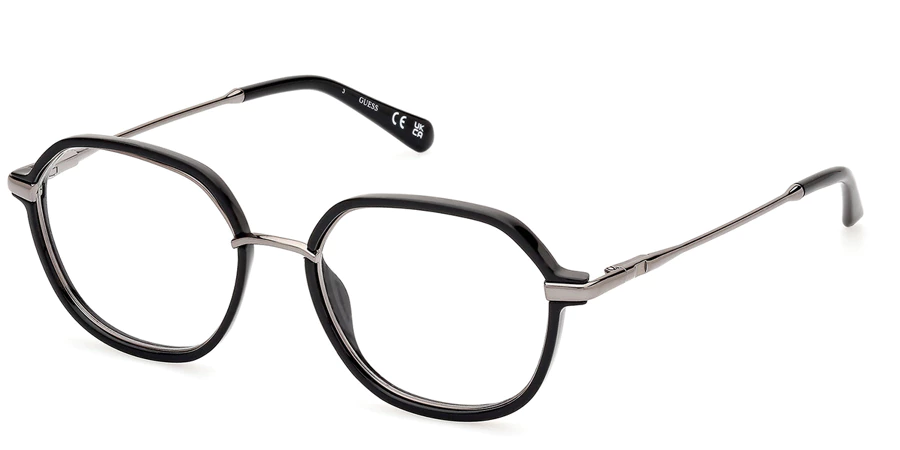
Top Lightweight Eyeglass Frames for All-Day Comfort
Wearing eyeglasses all day shouldn’t feel heavy or uncomfortable. If your frames leave marks on your nose, cause headaches, or feel bulky, it’s time to switch to lightweight eyeglass frames designed for long-lasting comfort. Today’s modern eyewear combines style, durability, and feather-light materials to give you a smooth, irritation-free wearing experience. Here’s a complete guide to the best lightweight eyeglass frame options that offer maximum comfort from morning to night. 1. Titanium Frames – Strong, Flexible & Ultra-Light Titanium is one of the top choices for people seeking both comfort and durability. These frames weigh significantly less than traditional metal frames and are resistant to bending, corrosion, and wear. Why they’re great:Extremely lightweightFlexible yet strongHypoallergenic for sensitive skin 2. TR90 Frames – Flexible & Comfortable 2. TR90 Frames: Flexible & Shock-Resistant TR90 frames are made from a special thermoplastic material known for their flexibility and feather-light feel. They are perfect for people who lead an active lifestyle or need glasses that stay comfortable throughout the day. Benefits:Super flexibleNatural, comfortable fitLightweight and durable 3. Acetate Frames – Stylish & Lightweight Acetate offers a premium aesthetic without the heaviness of regular plastic frames. They come in bold colors and patterns while still being lighter and more comfortable. Why people love them:Fashionable and modernLightweight premium feelSkin-friendly material 4. Minimalist Rimless & Semi-Rimless Frames If you want glasses that feel almost invisible, rimless and semi-rimless designs are ideal. These frames reduce pressure on your nose and ears, making them a top choice for professionals and minimalists. Features:Ultra-lightweightSleek, modern lookComfortable for long hours 5. Thin Metal Frames – Simple, Sleek & Light Thin stainless-steel or alloy frames offer the perfect balance of simplicity and comfort. They’re lightweight, durable, and great for people who prefer a simple yet elegant eyewear style. Advantages: Light on the face Long-lasting Minimalist and classy How to Choose the Right Lightweight Frames To ensure maximum comfort, consider the following: Lightweight frames are an investment in comfort, eye health, and style — making them perfect for everyday wear. Explore premium lightweight eyeglass frames at Eyemastr and find your perfect pair today! Stay connected with us:- Facebook , Instagram , X(Twitter) , LinkedIn

How to Care for Your Contact Lenses: A Complete Guide
Introduction: Why Proper Contact Lens Care Matters Contact lenses offer excellent convenience, comfort, and clear vision—but only when cared for properly. Poor cleaning habits can lead to eye irritation, dryness, blurry vision, and even serious infections. Whether you wear daily, weekly, or monthly lenses, following the right care routine ensures longer lens life and healthier eyes. This complete guide will walk you through the best contact lens care practices, recommended cleaning routines, and essential hygiene habits that every lens wearer must follow. 1. Wash & Dry Your Hands Before Touching Lenses Before inserting or removing your contact lenses, always wash your hands with mild soap and water.Avoid: oily, perfumed, or moisturizing soaps—they leave residue on lenses.Dry your hands with a lint-free towel to prevent particles from sticking to your lenses. 2. Use Fresh Contact Lens Solution Every Time Never reuse or “top up” old solution—this is one of the major causes of lens contamination. Always use fresh solution to: Avoid using water on your lenses. Tap water contains microbes like Acanthamoeba, which can cause severe eye infections. 3. Follow the Proper Cleaning Method (Rub + Rinse) Even if you use “no-rub” solutions, eye specialists recommend the rub-and-rinse method for maximum safety. How to clean your contact lenses: 4. Replace Your Lenses as Per the Schedule Never extend the lifespan of your lenses beyond what is recommended. Types of contact lenses & replacement schedule: 5. Clean Your Contact Lens Case Regularly A contaminated lens case can transfer bacteria directly to your eyes. Best practices: 6. Avoid Sleeping with Your Contact Lenses On Unless you are using special lenses approved for overnight wear, sleeping in contact lenses reduces oxygen supply to your eyes and increases the risk of infection by 8–10 times. 7. Keep Makeup & Lens Handling Separate Apply: Avoid waterproof products near the eyes—they can stick to lenses. 8. Don’t Wear Lenses When Eyes Are Irritated If your eyes feel: Remove your lenses immediately. Continuing to wear them may worsen the condition. 9. Keep Your Lens Case & Solution Away from Heat High temperatures can damage your lenses and reduce the effectiveness of disinfecting solutions. Avoid storing them in: 10. Schedule Regular Eye Check-ups Even if your vision feels normal, regular check-ups with an optometrist ensure: Stay connected with us:- Facebook , Instagram , X(Twitter) , LinkedIn
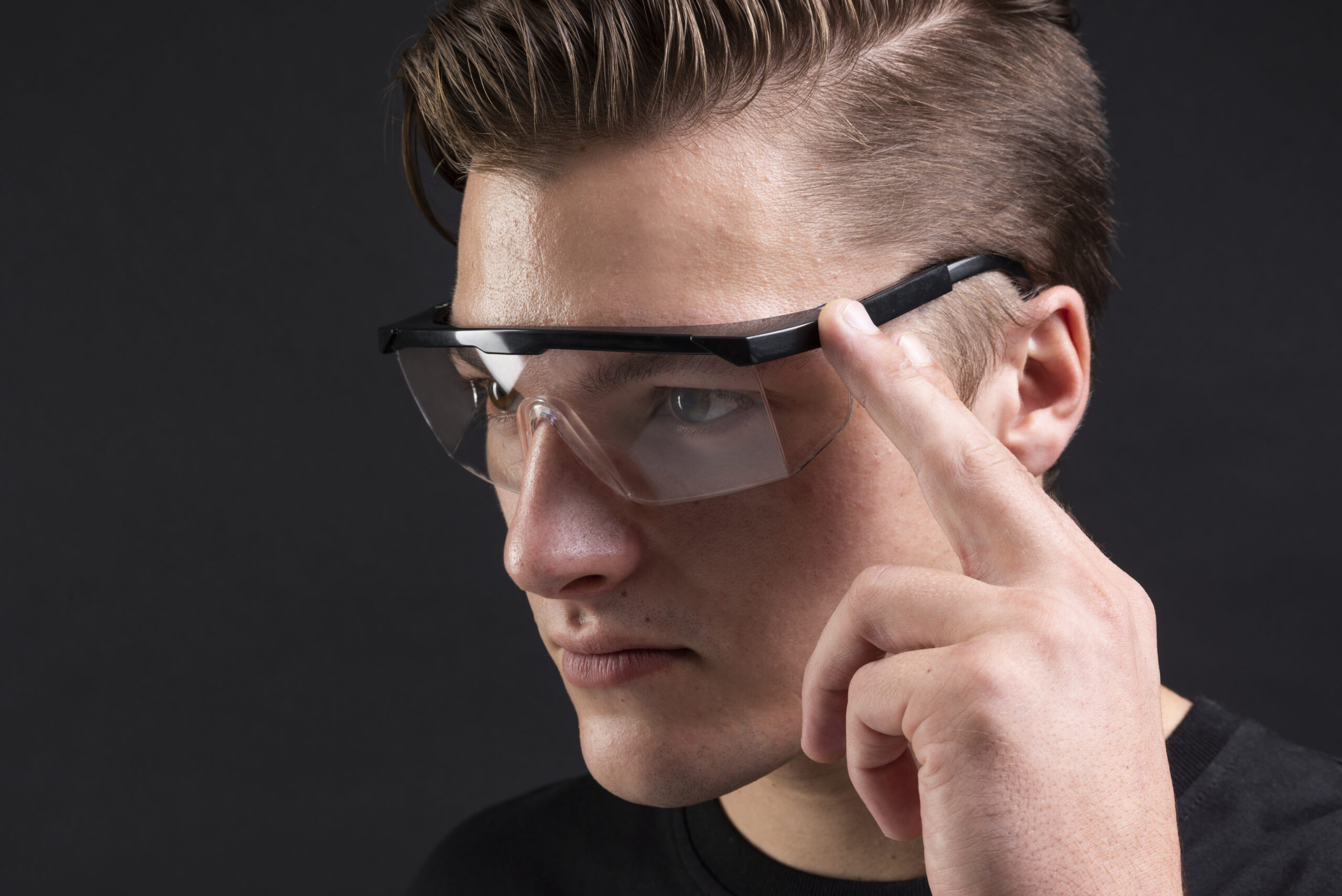
Flexible Smart Glasses: Where Innovation Meets Comfort
Smart eyewear is transforming the way we see and interact with the world. These advanced glasses blend digital technology with everyday vision, offering hands-free access to navigation, fitness data, communication, and immersive experiences. With built-in sensors, cameras, processors, and wireless connectivity, smart glasses deliver real-time information directly within your line of sight—merging the physical and digital worlds effortlessly. Types of Smart Eyewear How Smart Eyewear Works Smart glasses use micro-displays, motion sensors, AI software, and voice or touch controls to project digital content onto the lenses. They can be operated through voice commands, gestures, touch controls, or even connected devices like smartphones and wearables. Where Smart Glasses Excel The Future of Smart Eyewear With improved speech recognition, energy-efficient chips, and solar-powered designs, smart eyewear is becoming more intuitive and long-lasting. As technology evolves, these glasses will redefine how we work, learn, and experience the world. If you’re exploring the latest smart eyewear trends, Eyemastr is your destination for innovative, stylish, and future-ready vision solutions. Explore Smart Eyewear at Eyemastr and experience the future today! Stay connected with us:- Facebook , Instagram , X(Twitter) , LinkedIn

How to Understand Eyeglass Frame Measurements
A Peek into the Past of Eyewear What started as simple glass lenses designed to correct nearsightedness has evolved into a world of sophisticated eyewear built for clarity, comfort, and style. Modern eyeglass frames reflect advancements in material science, design innovation, and personal fashion expression—making them essential tools and stylish accessories at the same time. Eyeglasses are often seen as fashion statements, but behind every trendy frame lies a blend of art and precision. The structure of each frame is engineered with great detail—taking into account lens strength, facial anatomy, and long-term comfort. At Eyemastr, we emphasize this harmony of science and style, ensuring your frames look great and feel even better. Featherlight Style: Redefining Comfort with Lightweight Eyeglass Frames Lightweight frames have become a popular choice for daily wearers seeking all-day comfort. Materials like titanium, acetate, and TR-90 offer durability without the bulk, making them ideal for those who prioritize comfort along with aesthetics. At Eyemastr, you’ll find a curated collection of lightweight eyeglass frames designed to reduce pressure on the nose, ears, and temples—perfect for long hours of use. Factoring in the Numbers: Understanding Eyeglass Frame Dimensions Every pair of glasses comes with three crucial measurements, and knowing what they mean can help you make the right choice. 1. Lens Width Lens width measures the horizontal diameter of each lens. This value determines how much of your face the frame covers and influences both the look and functionality of your glasses. 2. Bridge Width This is the distance between the lenses. Bridge width affects how the glasses rest on your nose and plays an essential role in comfort and stability. A proper bridge width prevents sliding or pinching. 3. Temple Length Temple length refers to the arms of the frame—extending over and behind your ears. The right temple length ensures your eyeglasses remain secure and comfortable throughout the day. Mind the Measurements: Why Fit Matters An ill-fitting pair of glasses may look stylish but can cause discomfort, headaches, or even affect your vision alignment over time. Oversized frames may be trendy, but if they don’t align with your facial width, they will constantly slide down your nose. Proper measurements ensure your glasses stay in place, feel comfortable, and support healthy vision. Getting It Right: The Importance of Professional Guidance Navigating the world of eyeglass frame sizes and styles can feel overwhelming. This is where expert guidance becomes essential. Professional optometrists and eyewear specialists—like those behind Eyemastr—help you choose frames that match your prescription, lifestyle, and unique facial features. With their support, you can confidently pick eyewear that blends function with fashion. Understanding eyeglass frame dimensions empowers you to make smarter, more comfortable, and more stylish choices. Whether you’re shopping for lightweight frames, classic designs, or modern chasma styles, Eyemastr offers a wide range of eyewear crafted with precision and creativity. Browser the latest eyewear collections at Eyemastr and find your perfect fit today. Stay connected with us:- Facebook , Instagram , X(Twitter) , LinkedIn